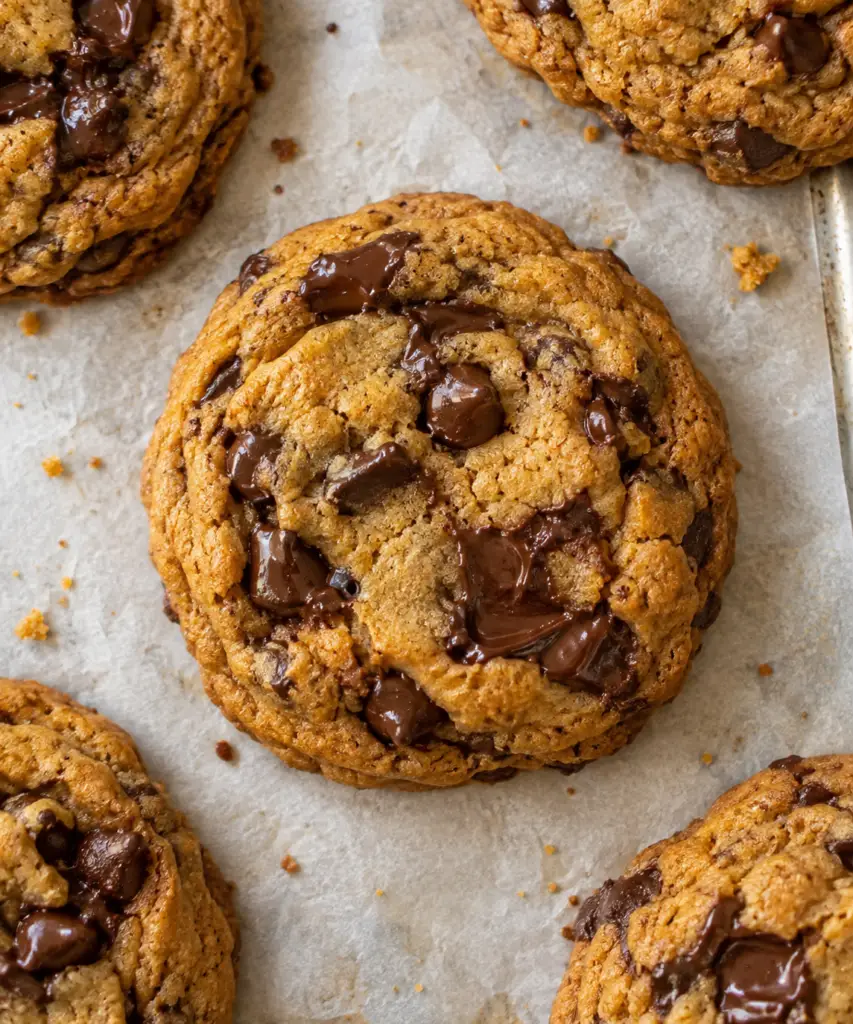
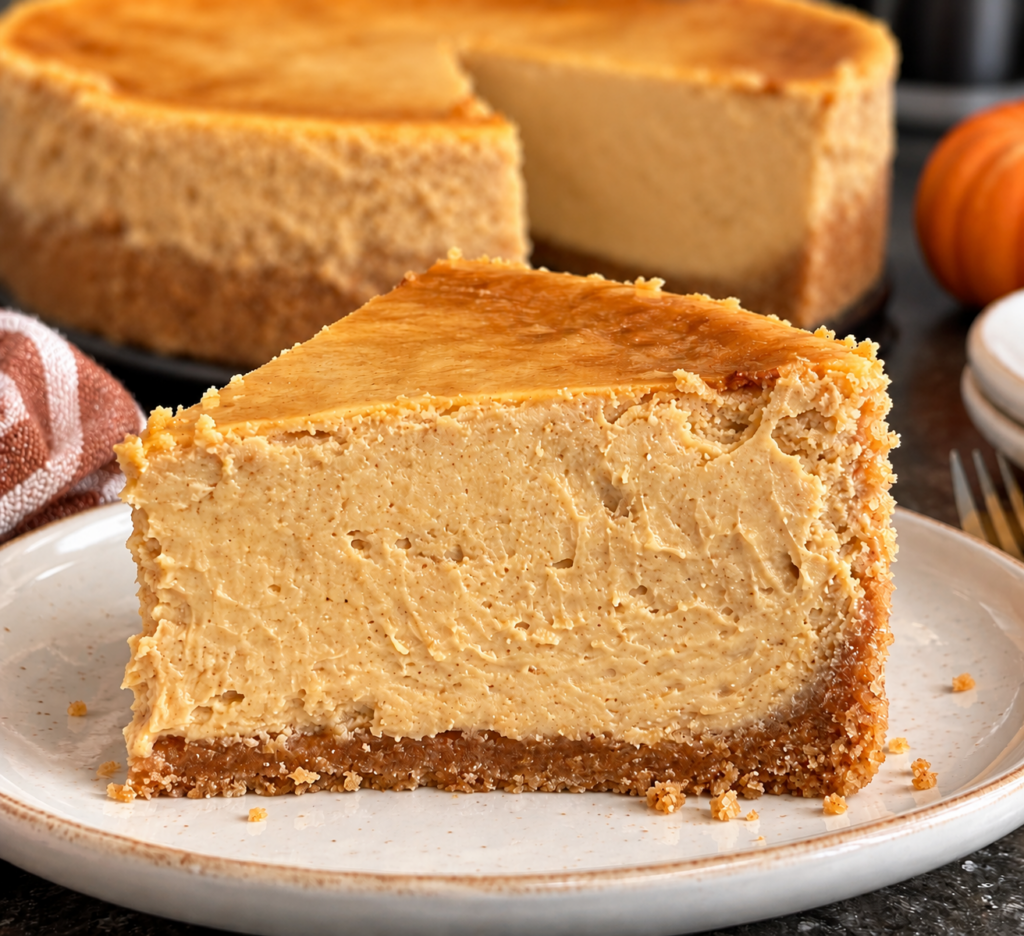
Butter does four different things depending on how and when you use it. Cold butter in a pie crust or scone creates flaky layers because the fat coats the flour before water can hydrate it, leaving pockets of steam in the oven. Melted butter in brownie or muffin batter produces a dense, fudgy crumb because the fat fully coats the gluten strands. Creamed butter with sugar creates lift in cookies and cakes because beating incorporates air. Browned butter adds a nutty depth that regular butter cannot replicate. Same ingredient, four completely different results depending on temperature and technique.
Most of the baking recipes here use either unsalted butter (for control over salt levels) or regular salted butter when the total amount is small. The Best Cinnamon Rolls use a generous amount of softened butter in both the dough and the filling – the dough fat keeps the crumb tender, and the filling butter melts into the brown sugar and cinnamon during baking to create the layered, sticky interior. If the butter in the filling is too cold going in, it does not meld the same way.
For savory cooking, butter finishes sauces, adds richness to pan drippings, and creates the beurre blanc or pan sauce that lifts a simple weeknight chicken into something that feels intentional. Chicken Cordon Bleu Casserole uses butter both as the base of the cream sauce and as the finishing fat that ties the sauce together before it goes into the baking dish. That two-step use is common in comfort food cooking – butter in, then more butter at the end.
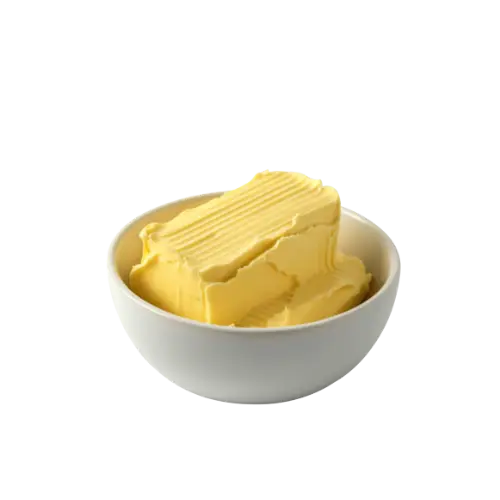
Temperature matters more with butter than almost any other ingredient. Softened butter (room temperature, not melted) is the state most cake and cookie recipes require. If it is too cold, it will not cream with the eggs properly and you lose the aeration. If it is melted by mistake, creaming is impossible and the texture of the finished bake will be dense and flat. A quick fix: if butter is too cold, cut it into cubes and let it sit for 20 minutes. If it is accidentally melted, there is no fix – chill it back to solid and start again.
For a recipe that rewards paying attention to butter temperature, try The Best Peanut Butter Cookies or Lemon Raspberry Muffins. Both recipes are clear demonstrations of what properly softened butter looks like in the mixing bowl, and both show how fat distribution in the batter directly affects the final texture.