Sugar does more than sweeten. In baking it absorbs and retains moisture, which is why sugar-heavy recipes stay soft for days longer than low-sugar ones. It creates the crackled, slightly chewy top crust on a brownie by forming a thin meringue-like layer as it bakes. It browns through caramelization, which produces flavor compounds that have nothing to do with sweetness – bitterness, nuttiness, and depth that straight sweetness cannot replicate. Take The Best Peanut Butter Cookies: the sugar is not just making them sweet; it is responsible for the slightly crisp edge, the chew in the center, and the spread that makes the cookie look right on the sheet pan.
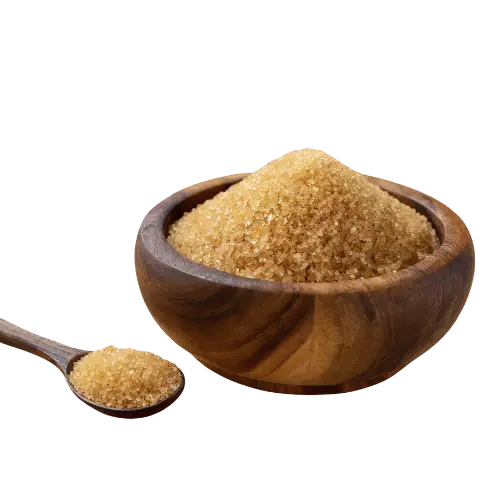
The type of sugar changes the outcome significantly. Granulated white sugar creams well with butter and creates a light, airy crumb. Brown sugar contains molasses, which adds moisture and chew and a slight caramel note. Powdered sugar dissolves instantly, which is why it is used in frostings and dusting rather than in batters. eggs bind alongside sugar during creaming, and the ratio between the two is what determines texture – more sugar relative to flour and eggs produces a crisper, thinner cookie; less produces something cakier and softer.
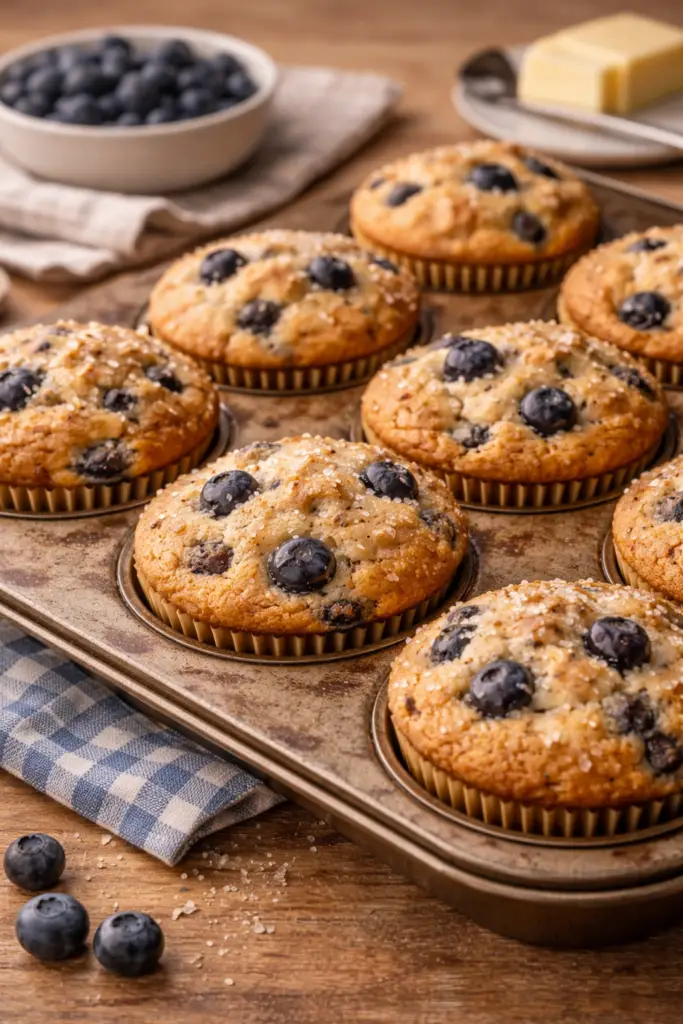
Most of the baking recipes here that run 40 or more recipe counts use sugar as a base ingredient alongside all-purpose flour. Lemon Raspberry Muffins use granulated sugar to both sweeten and create the slightly crisp top that makes a bakery muffin feel different from a homemade one. The same sugar at the same quantity in a different recipe – say a dense chocolate brownie – produces a completely different texture because the fat ratio and liquid balance change everything.
For a recipe where sugar’s non-sweetness functions are easy to see, try Easy Mini Pumpkin Pies. The sugar in the filling firms the custard as it bakes (sugar interacts with egg proteins during coagulation), and the sugar in the pie crust contributes to browning in a way that plain flour-and-fat pastry would not. Both are structural jobs, not sweet ones. For a dessert where sugar is the most visible star, Viral Burnt Basque Cheesecake caramelizes on the surface to produce a burnt, slightly bitter top that counterbalances the rich cream cheese interior. That contrast is the whole point of the recipe.