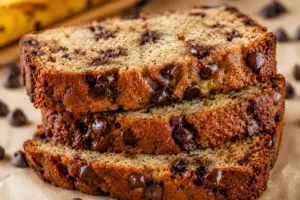
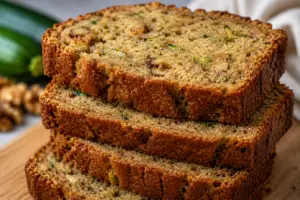
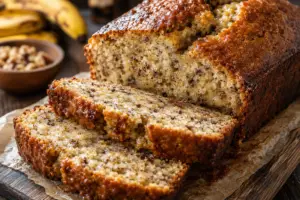
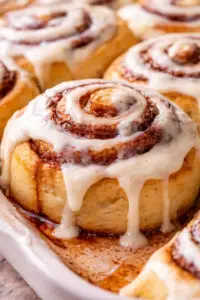
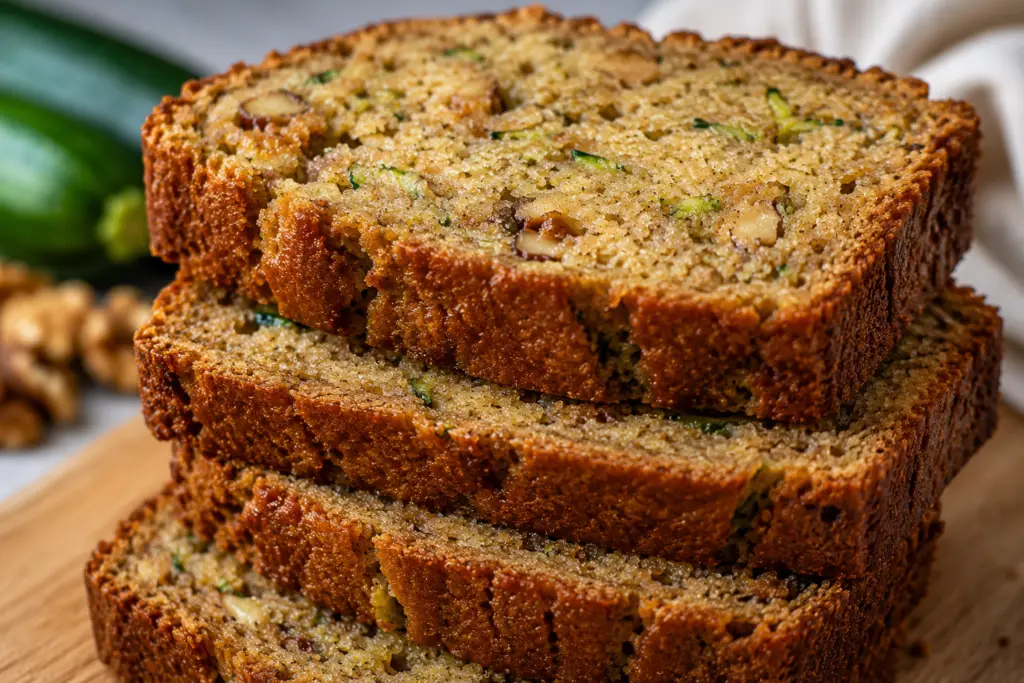
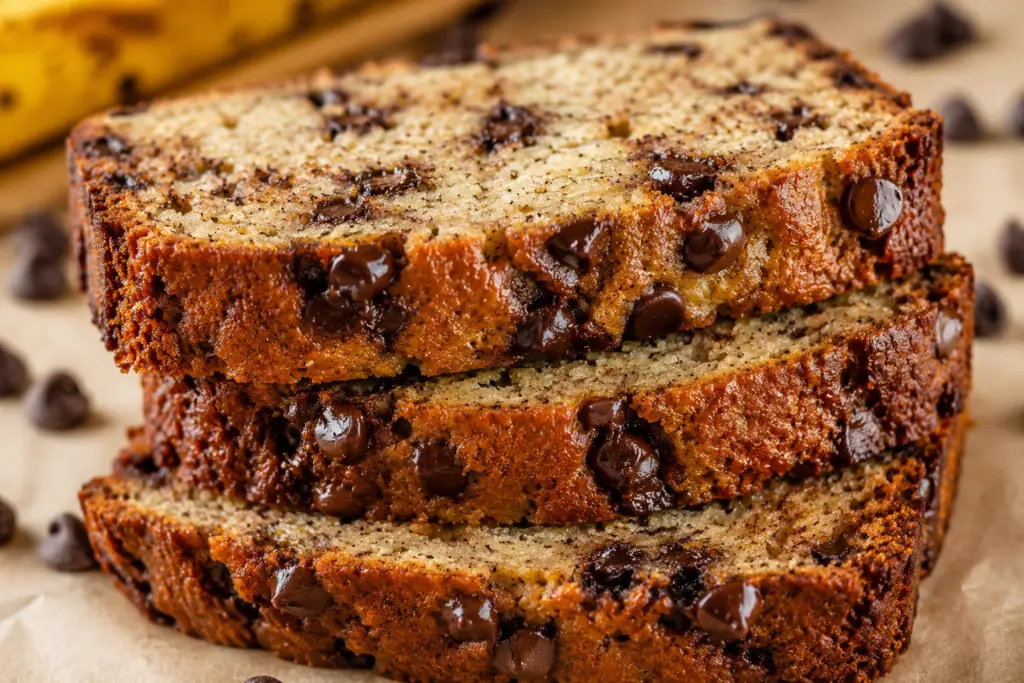
Bread baking splits cleanly into two camps. Quick breads (banana bread, zucchini bread, pumpkin bread, soda bread) use chemical leaveners like baking powder or baking soda and come together in under an hour from start to plate. Yeasted breads (focaccia, dinner rolls, cinnamon dough, sandwich loaves) need rise time but reward the patience with structure and flavor that quick breads cannot match. Both are worth knowing in a home kitchen for different reasons.
The most important quick bread rule is do not overmix. The recipe will produce dense, tough loaves if you stir until the batter looks smooth. The right move is to fold the wet and dry ingredients together just until no streaks of flour remain. Lumps in the batter are fine and will disappear during baking. Overmixed quick breads develop gluten the way kneaded bread does, which is exactly the texture you do not want in a banana bread or muffin.
Yeasted bread depends on three things: proper hydration, proper proofing, and proper baking temperature. The right hydration ratio (water to flour) varies by bread style. The proof needs warm room temperature, not hot, since yeast above 110 degrees starts to die. The bake needs higher temperatures than most home cooks expect: 425 to 450 degrees for most rustic breads, sometimes higher for pizza and flatbreads. Bread baked at 350 degrees rarely develops the crust that distinguishes good homemade bread from mediocre.
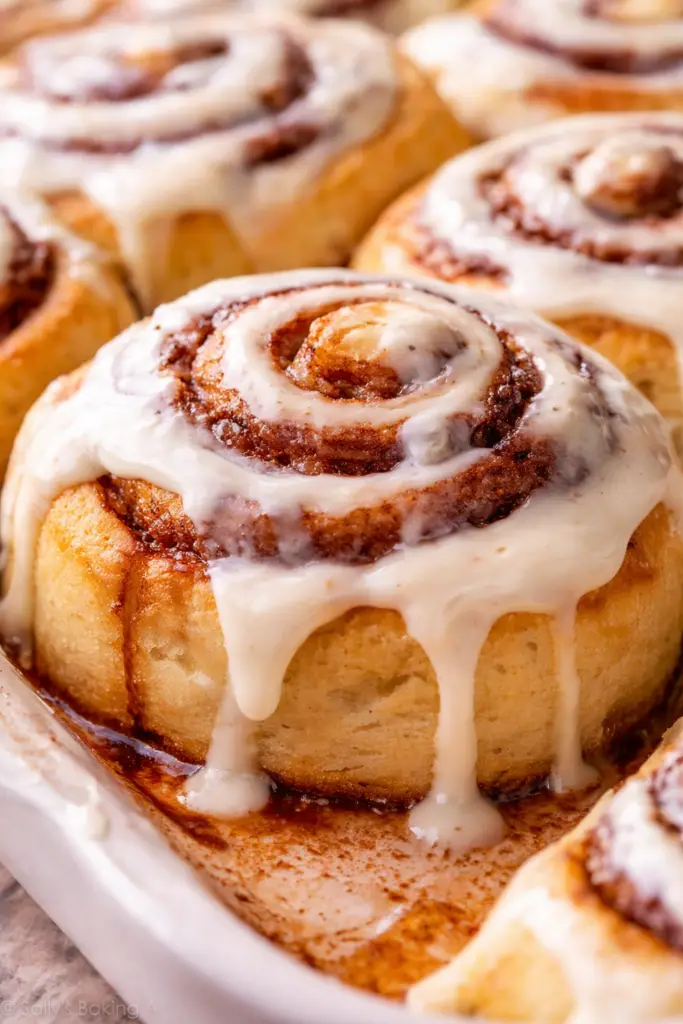
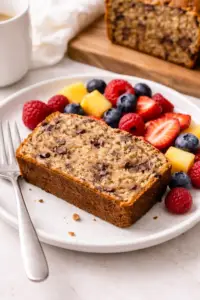
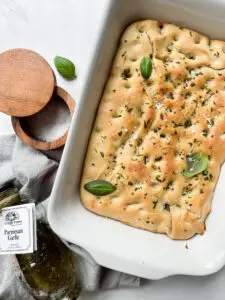
Breads fit beautifully into breakfast recipes (toast, sliced quick breads, sandwich bread, French toast bread) and brunch recipes (focaccia, cinnamon rolls, sticky buns, holiday breakfast breads). For sweeter applications, muffin recipes cover bread-adjacent bakes that overlap heavily in technique. Banana Bread is the gateway quick bread for most home bakers, and Lemon Raspberry Muffins demonstrate the same mixing principles in a smaller, more portable format that fits the lunchbox or the brunch board equally well.