The Best Cinnamon Rolls

Facebook
Twitter
LinkedIn
Pinterest
Email
Print

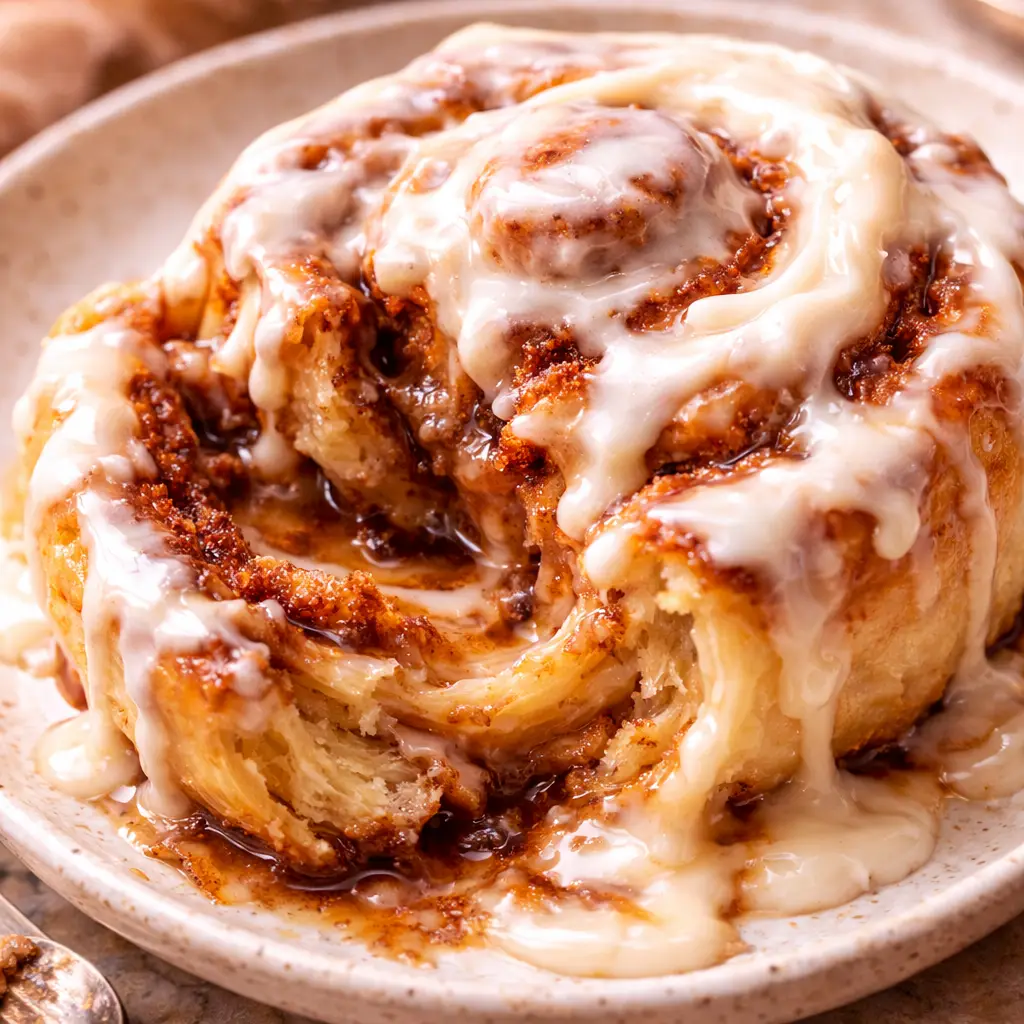
These cinnamon rolls are soft, fluffy, and filled with a rich cinnamon sugar swirl, then topped with a creamy frosting. They’re the perfect homemade treat for breakfast, brunch, or special occasions. BONUS: 10% off my favorite baking pan from Caraway with this link! Discount applied at checkout.

There is something about homemade cinnamon rolls that makes the whole house feel like a bakery. You get the smell of butter, brown sugar and cinnamon coming from the oven, followed by warm cream cheese frosting melting into all those little swirls. It is hard to wait long enough to get them out of the pan.

But homemade cinnamon rolls can also be a little disappointing when they do not turn out the way you pictured them. Maybe the dough is too dense. Maybe the centers are dry.

Sometimes most of the cinnamon filling ends up stuck to the bottom of the pan instead of inside the rolls.

And then there are recipes that make cinnamon rolls feel like an all-day baking project.

These bakery-style cinnamon rolls are meant to solve those problems. They are soft and fluffy with plenty of brown sugar cinnamon filling, a little nutmeg for warmth and creamy frosting spread over them while they are still warm. I also like to finish mine with a small pinch of flaky sea salt. It sounds simple, but that little salty bite against the sweet frosting is so good.

I am also giving you options throughout the recipe because homemade does not have to mean doing absolutely everything the hardest way possible.

You can make the dough from scratch, prepare the rolls the night before, freeze them for later or use a shortcut when you just want warm cinnamon rolls without spending your entire morning in the kitchen.

If your goal is big, soft, gooey homemade cinnamon rolls that actually taste like bakery cinnamon rolls, this is where to start.

If you love cozy baked treats like this, try this Cinnamon Roll Cake

Before Second Rise
After Second Rise
Baked To Perfection

Why You'll Love These Cinnamon Rolls

  • Soft, fluffy, bakery-style texture
  • Rich cinnamon sugar filling
  • Perfect for breakfast or brunch
  • Great for holidays and gatherings
  • Make-ahead friendly dough

If you enjoy breakfast baking, you’ll also love this French Toast Casserole

What Makes These Bakery-Style Cinnamon Rolls Different?

When I think about a bakery cinnamon roll, I do not want a sweet piece of bread with a little cinnamon hiding inside.

I want layers.

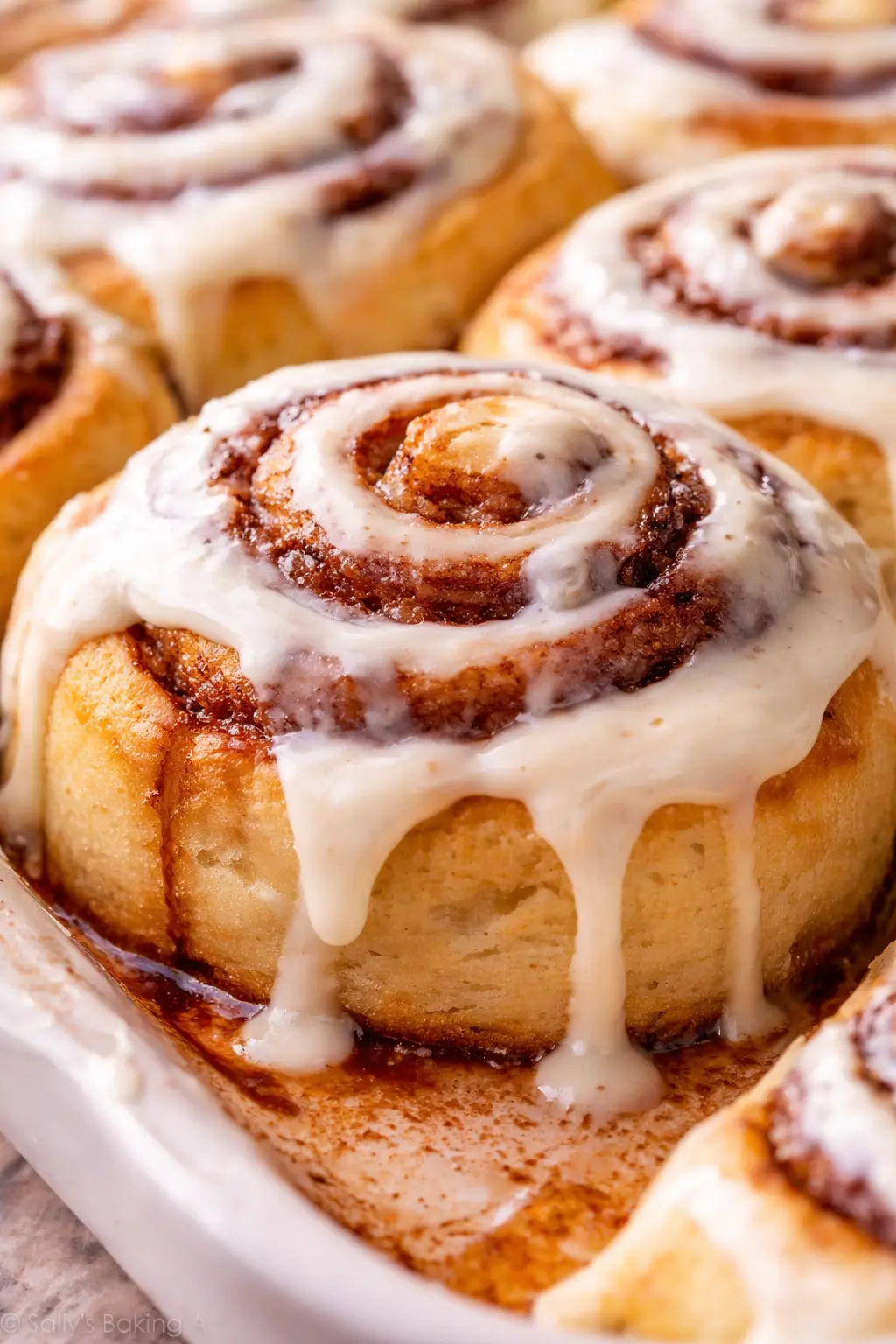
The outside should be lightly golden while the inside stays soft. There should be a visible cinnamon swirl from the center all the way out, with brown sugar filling tucked between the layers. The frosting should be thick enough to taste but soft enough to melt slightly when it hits the warm rolls.

Most importantly, the center needs to be gooey.

That texture comes from several small things working together rather than one secret ingredient. A soft enriched dough gives the rolls their fluffy texture. Brown sugar and butter create the sticky filling. Proper rising keeps the dough light. Baking the rolls close together protects their soft sides.

Then there is one optional trick that takes them even further: warm heavy cream poured over the cinnamon rolls just before baking.

As the rolls bake, some of that cream works its way around and into the dough and filling. You end up with softer centers and a rich cinnamon sauce at the bottom of the pan.

The Secret to Soft and Fluffy Cinnamon Roll Dough

The first thing to know about cinnamon roll dough is that it should not feel like a stiff bread dough.

Soft dough makes soft rolls.

It can be tempting to keep adding flour until the dough no longer sticks to anything. Try not to. A slightly tacky dough is exactly what you want.

As you knead it, the dough becomes smoother and easier to handle. Give the flour time to absorb the liquid before deciding it needs more.

If you immediately add another cup of flour because the dough sticks to your fingers, you can easily end up with heavy cinnamon rolls.

What Should Cinnamon Roll Dough Feel Like?

Once kneaded, the dough should feel:

  • Soft and smooth
  • Slightly tacky but not wet
  • Stretchy
  • Easy to pull without immediately tearing
  • Supple rather than stiff

Press a clean finger lightly into the dough. It should feel soft and springy.

That is a much better indicator than trying to force the dough to take an exact amount of flour.

Why Milk, Butter and Eggs Matter

Cinnamon rolls use what bakers call an enriched dough. Instead of being made with only flour, yeast, water and salt, the dough contains ingredients such as milk, eggs, sugar and butter.

Those ingredients are part of what gives a cinnamon roll its soft, rich texture.

Whole milk adds moisture and richness.

Butter gives the dough flavor and helps create a tender crumb.

Eggs give the dough structure while keeping it rich.

Sugar adds sweetness, but it also helps the rolls brown beautifully in the oven.

I add a little nutmeg to the dough too. You are not trying to make nutmeg-flavored cinnamon rolls. It should sit quietly in the background and make the cinnamon taste warmer.

Getting the Milk Temperature Right

If you are working with yeast, temperature matters.

You want the milk warm, not hot. Somewhere around 105°F to 110°F works well for active dry yeast.

If you do not have a thermometer, test it with your finger. It should feel comfortably warm.

Milk that is too hot can damage the yeast. Milk that is too cool will not necessarily ruin your rolls, but the dough may take much longer to rise.

When the yeast mixture begins looking foamy after several minutes, you know it is active.

Bread Flour vs. All-Purpose Flour for Cinnamon Rolls

Both can make great cinnamon rolls.

I use all-purpose flour in this recipe because it gives the rolls a wonderfully soft texture and it is something most of us already have in the pantry.

Bread flour has more protein, which means it can create a slightly chewier roll with more structure.

If you love that stretchy, pull-apart bakery texture, you can swap some or all of the all-purpose flour for bread flour.

The bigger concern is not which flour you choose. It is how much flour you add.

Measure carefully and stop adding flour once the dough reaches the right consistency.

How to Measure Flour Without Drying Out Your Rolls

Scooping your measuring cup directly into a bag of flour can pack considerably more flour into the cup than you intended.

For better results, fluff the flour first, spoon it gently into your measuring cup and level the top.

Even better, use a kitchen scale if you have one.

Cinnamon roll dough is forgiving, but too much flour is one of the fastest ways to turn a fluffy roll into a dry one.

Do You Really Need to Knead Cinnamon Roll Dough?

Yes, but it does not have to be difficult.

Kneading develops the gluten that gives the dough enough strength to rise while still creating those soft, stretchy layers.

A stand mixer fitted with a dough hook makes this easy. You can also knead the dough by hand.

You will notice a change as you work with it. What starts somewhat shaggy becomes smoother, elastic and much easier to handle.

Try the Windowpane Test

Pinch off a small piece of dough and gently stretch it between your fingers.

If you can stretch it thin enough that light begins to pass through without the dough immediately tearing, you are in good shape.

If it breaks apart right away, give it another couple of minutes of kneading.

The First Rise

Once the dough is kneaded, place it into a lightly greased bowl, cover it and let it rise somewhere warm.

You are looking for the dough to roughly double in size.

That might take an hour in one kitchen and longer in another.

Do not become too attached to the clock.

Yeast works on its own schedule, and room temperature makes a difference. A cool winter kitchen will usually require more time than a warm summer kitchen.

Look at the dough instead.

How to Make That Gooey Cinnamon Sugar Filling

This is not the place to be shy with the filling.

The combination of softened butter, brown sugar, cinnamon, nutmeg and a little salt creates those sticky layers running through every roll.

Brown sugar works particularly well because its molasses flavor pairs naturally with cinnamon and butter.

Nutmeg adds another layer of warmth without competing with the cinnamon.

And salt keeps all that sweetness from tasting flat.

Softened Butter Works Better Than Melted Butter

Melted butter sounds easier, but it can make the filling more likely to run out of the rolls.

Instead, let your butter soften until it spreads easily.

Think spreadable butter, not liquid butter.

Spread it all the way across the rolled dough, then cover it generously with your cinnamon sugar mixture.

How Thin Should You Roll Cinnamon Roll Dough?

You want a large rectangle that is roughly ¼ inch thick.

If the dough is too thick, you will have fewer cinnamon layers. If you roll it paper thin, the dough can tear and the filling is more likely to escape.

It does not need to be a perfect rectangle.

Homemade cinnamon rolls should look homemade.

If one edge is slightly crooked, leave it alone. Once everything is rolled, sliced, risen and frosted, nobody is going to care.

Alternatively, watch this video to see how I do the no-roll- method. You can roll your dough into a rectangle, add the filling, then use a pizza cutter to slice pieces. From there, take the edge and roll it up. This takes the work away from using the dental floss method below.

How to Roll Cinnamon Rolls Without Losing the Filling

Start from one of the long sides and roll the dough toward the opposite side.

Keep the roll snug, but do not squeeze it as tightly as possible.

Rolling too loosely can leave gaps between the layers. Rolling too tightly can make it harder for the center of each roll to expand.

You are looking for a happy middle.

Once you reach the opposite edge, gently pinch the seam against the log.

The Dental Floss Trick

One of my favorite ways to cut cinnamon rolls is with unflavored dental floss.

Slide the floss underneath the dough log, bring both ends up, cross them over the top and pull.

It slices straight through the dough without smashing your beautiful spiral.

You can absolutely use a sharp knife instead. Just use a gentle sawing motion rather than pressing straight down.

Do Cinnamon Rolls Need a Second Rise?

Yes, and this one matters.

Once you slice the rolls and arrange them in the baking dish, cover the pan and let them rise again.

They should become noticeably puffier and begin filling the spaces between each other.

This is part of what gives you those tall, fluffy cinnamon rolls instead of short, dense ones.

When they are ready, the rolls should look soft and pillowy.

The Heavy Cream Cinnamon Roll Trick

This step is optional, but if you came here looking for extra-gooey cinnamon rolls, try it.

Before the pan goes into the oven, gently pour a small amount of warm heavy cream over the tops of the risen rolls.

You do not need to drown them.

The cream works its way through the spirals and around the dough while the rolls bake. It mixes with some of the cinnamon sugar and butter, leaving a soft, almost caramel-like layer around the bottom.

The result is especially good in the center rolls.

Those are mine.

How Long to Bake Cinnamon Rolls

Bake the rolls at 350°F for approximately 22 to 25 minutes.

You want the tops lightly golden while the centers remain soft.

This is another place where people accidentally dry out cinnamon rolls.

Deeply browned does not necessarily mean better.

If the tops are browning faster than the centers are baking, loosely cover the pan with foil for the last several minutes.

If you like checking with an instant-read thermometer, the center of an enriched roll should generally reach around 190°F.

Cream Cheese Frosting for Warm Cinnamon Rolls

Now we get to the part everyone waits for.

Cream cheese frosting gives cinnamon rolls that sweet, slightly tangy finish that works so well with brown sugar and cinnamon.

I make mine with cream cheese, butter, powdered sugar and vanilla, then add a little milk or cream until it reaches the consistency I want.

Do not wait until the rolls are completely cold to frost them.

Let them cool briefly so they are not blazing hot, then spread the frosting over the warm tops.

Some of it will stay thick and creamy. Some will melt into the swirls.

That is exactly what we want.

Finish Them With Flaky Sea Salt

Before serving, sprinkle a small pinch of flaky sea salt over the frosting.

Small is the important word.

You are not trying to make salty cinnamon rolls.

You want the occasional little pop of salt against the brown sugar, cinnamon and cream cheese frosting.

It cuts through some of the sweetness and makes me immediately want another bite.

How to Make Cinnamon Rolls Ahead of Time

If cinnamon rolls at 8 a.m. sound wonderful but making dough at 5:30 a.m. does not, make them the night before.

Prepare the dough, add the filling, roll and slice it, then arrange your rolls in the baking dish.

Cover the pan tightly and refrigerate overnight.

The following morning, remove the pan from the refrigerator and let the rolls sit at room temperature until they become puffy.

Depending on the temperature of your kitchen, this can take around 45 to 75 minutes.

Then add the heavy cream, if using, and bake normally.

Fresh cinnamon rolls without a sunrise baking session. Much better.

Cinnamon Roll Shortcuts That Actually Work

I love making cinnamon rolls from scratch, but there are days when that simply is not happening.

You still have options.

Frozen Bread Dough

Thawed frozen bread dough makes a very good shortcut because you still get that yeast-dough texture.

Roll it out, add your homemade cinnamon filling, slice and bake.

Store-Bought Pizza Dough

Pizza dough will create a chewier cinnamon roll and it will not be quite as rich, but it works surprisingly well when you want something quick.

The cinnamon filling and homemade cream cheese frosting do most of the heavy lifting.

Refrigerated Cinnamon Rolls

Yes, you can even doctor up refrigerated cinnamon rolls.

Arrange them in a baking dish, add a little extra cinnamon and brown sugar and pour a small amount of heavy cream over the top before baking.

Finish them with your own cream cheese frosting and flaky salt.

Nobody said shortcuts had to taste like shortcuts.

How to Make Cinnamon Rolls for Kids

If you are making these with kids, the rolling and filling steps are perfect jobs for little helpers.

Let them spread the butter, sprinkle on the cinnamon sugar or help roll the dough.

You can also make smaller cinnamon rolls by rolling the dough from the shorter side or cutting the log into more pieces. Just remember that smaller rolls can bake more quickly.

For younger kids, you can skip the flaky sea salt on their rolls if they prefer straight sweetness.

Why Did My Cinnamon Rolls Turn Out Dense?

Dense cinnamon rolls usually come back to one of a few things.

You may have added too much flour, the yeast may not have been active, the dough might not have been kneaded enough or the rolls did not have enough time to rise.

If your dough has barely changed in size and the recipe says the rising time is over, do not bake it just because the timer went off.

Give it more time.

Why Is My Cinnamon Roll Filling Leaking Out?

A little filling at the bottom of the pan is normal. Actually, those caramelized cinnamon bits are one of my favorite parts.

If nearly all your filling runs out, though, the butter may have been too warm or melted.

The dough might also have been rolled too thin.

Use very soft butter rather than liquid butter and keep the dough around ¼ inch thick.

Why Are My Cinnamon Rolls Dry?

The two most common reasons are too much flour and too much baking time.

Remember that the centers continue cooking slightly after the pan leaves the oven.

Pull the rolls when they are lightly golden and cooked through rather than waiting for the entire top to become dark brown.

How to Keep Cinnamon Rolls Soft Overnight

Once completely cool, keep your cinnamon rolls tightly covered.

Air is the enemy here.

For short-term storage, an airtight container works well. Cinnamon rolls with cream cheese frosting should be refrigerated if you are keeping them longer.

When you are ready for another one, warm an individual roll briefly in the microwave.

About 10 to 20 seconds can bring back that soft, gooey texture.

Can You Freeze Homemade Cinnamon Rolls?

Absolutely.

You can freeze baked cinnamon rolls and reheat them individually, which is convenient when you do not need an entire pan.

For the best texture, freeze the rolls without frosting and add fresh frosting after reheating.

You can also freeze prepared rolls before baking, but you will need to give the yeast time to wake back up after thawing.

Thaw them overnight in the refrigerator, then bring them to room temperature and allow them to become visibly puffy before baking.

Easy Cinnamon Roll Flavor Ideas

Once you know how to make the basic version, the dough gives you plenty of room to play.

For fall, add finely chopped apples to the cinnamon filling. Around the holidays, orange zest is wonderful in the frosting. Chopped pecans give the filling some crunch, while maple syrup or maple extract can turn the cream cheese frosting into a maple version.

You could also try:

  • Apple cinnamon rolls
  • Maple pecan cinnamon rolls
  • Pumpkin cinnamon rolls
  • Chocolate cinnamon rolls
  • Orange cinnamon rolls
  • Caramel cinnamon rolls
  • Mini cinnamon rolls
  • Cinnamon roll bites

Just keep the amount of extra filling reasonable. Too many additions can make it harder to roll the dough and can leave you with a lot of filling on the bottom of the pan.

My Best Tips for Homemade Cinnamon Rolls

If you remember nothing else, remember this: watch the dough instead of the clock.

Give it time to rise. Keep it soft. Do not bury it in extra flour because you are worried about a little stickiness.

Use softened butter in your filling. Give the shaped rolls their second rise. Do not overbake them.

And if you want the gooey version you see in bakery cases, add that little pour of heavy cream before baking and frost the rolls while they are still warm.

The final pinch of flaky sea salt is optional, but once you try that sweet and salty combination, you may start putting it on every batch.

These are the cinnamon rolls I want when I am craving the real thing. Big, soft centers, buttery cinnamon layers, warm nutmeg in the background and cream cheese frosting melting into every swirl.

No dry edges. No sad little sprinkle of cinnamon.

Just a pan of warm, gooey bakery-style cinnamon rolls that gives everyone a reason to wander into the kitchen.

Ingredients for Cinnamon Rolls

This recipe uses simple pantry ingredients to create soft, sweet rolls with a rich filling.

  • Milk (3/4 cup, warm). Activates the yeast and creates a soft dough.
  • Butter (1/4 cup, melted). Adds richness and flavor.
  • Sugar (½ cup). Sweetens both the dough and filling.
  • Eggs (2). Help create a soft, structured dough.
  • Brown Sugar (3/4 cup). Creates the sweet, caramelized filling.
  • Cream Cheese (4 oz). Used for the frosting.
  • Powdered Sugar (1 cup). Sweetens the frosting.

How to Make Cinnamon Rolls

  1. Prepare the dough
    In a bowl, combine warm milk, yeast, and sugar. Let sit for 5–10 minutes until foamy.

  2. Mix the dough
    Add eggs, melted butter, and flour. Mix until a soft dough forms, then knead for 8–10 minutes.

  3. Let it rise
    Cover and let the dough rise in a warm place for 1–1.5 hours until doubled in size.

  4. Make the filling
    Mix brown sugar and cinnamon in a small bowl.

  5. Roll and fill
    Roll out the dough into a rectangle, spread butter, and sprinkle the cinnamon sugar mixture evenly.

  6. Shape the rolls
    Roll tightly into a log and slice into even rolls.

  7. Second rise
    Place rolls in a baking dish and let rise for 30–45 minutes.
  8. Bake
    Bake at 350°F for 20–25 minutes until golden.

  9. Frost and serve
    Spread cream cheese frosting over warm rolls and serve.

For more baked treats like this, explore these oven baked recipes

Tips for the Best Cinnamon Rolls

  • Use warm (not hot) milk to activate yeast
  • Don’t over-flour the dough
  • Let the dough rise fully for the softest texture
  • Roll tightly for defined swirls
  • Frost while warm for best results

For more baking help, check out these cake baking tips

Breads, Desserts, Oven Baked cinnamon rolls Brown Sugar |Butter |Cinnamon |Cream Cheese |Egg

The Best Bakery-Style Cinnamon Rolls (Soft, Fluffy, and Gooey)

Soft, pillowy cinnamon rolls baked close together in a pan until fluffy and golden, then finished with a creamy glaze that melts into every swirl. A hint of nutmeg deepens the flavor and a sprinkle of flaky sea salt balances the sweetness for true bakery-style cinnamon rolls.
Prep Time 25 minutes
Cook Time 23 minutes
Rise Time 1 hour 45 minutes
Total Time 3 hours
Course Breakfast
Servings 12 large rolls
Calories 390 kcal

Ingredients
  

Dough

  • 3½-4 cups all-purpose flour or bread
  • ¼ cup granulated sugar
  • tsp active dry yeast 1 packet
  • 1 tsp salt
  • ¾ cup warm whole milk (105℉-110)
  • 2 large eggs room temperature
  • ¼ cup unsalted butter melted

Filling

  • ½ cup unsalted butter softened
  • ¾ cup packed dark brown sugar
  • tsp ground cinnamon
  • ½ tsp ground nutmeg optional
  • ¼ tsp salt

Optional Gooey Hack

  • ¼ cup warm heavy cream pour before baking

Cream Cheese Frosting

  • 4 oz cream cheese softened
  • 3 tbsp unsalted butter softened
  • cup powdered sugar divided 1 cup and ½ cup
  • ½ tsp vanilla extract
  • 1-2 tbsp milk or cream to thin

Finishing Touches

  • sea salt

Instructions
 

  • You can also use a wooden spoon and a bowl instead of a standing mixer to mix your ingredients together. Then, use your hands to knead.
  • Activate the yeast- In a large mixing bowl, combine the warm milk, sugar, and yeast. Stir gently and let the mixture sit for about 5 minutes, until it looks slightly foamy on top. This indicates the yeast is active and ready to work.
  • Whisk the melted butter and eggs into the yeast mixture.
    Add flour, salt, and nutmeg. Stir with a wooden spoon or dough hook until a soft dough begins to form.
    Knead for about 6–8 minutes until the dough becomes smooth and elastic. If it feels sticky, sprinkle in small amounts of flour until it becomes manageable but still soft.
  • The first rise: Transfer the dough to a lightly greased bowl and cover loosely with a towel.
    Let it rise in a warm place for about 60–75 minutes, or until the dough has doubled in size.
  • Roll the dough: Lightly flour a work surface and roll the dough into a rectangle about 10 x 16 inches.
    Spread the softened butter evenly across the surface, leaving a small border around the edges.
  • Add the cinnamon filling: in a bowl, mix brown sugar, cinnamon, nutmeg, and salt.
    Sprinkle the mixture evenly over the buttered dough and gently press it down so it adheres.
  • Roll and slice: Starting with the long edge, tightly roll the dough into a log.
    Using unflavored dental floss or a sharp knife, slice the log into 12 even rolls.
    OR roll your dough and smear the filling almost edge to edge. Leave a 1/8" trim of dough so it sticks when you roll it. After you smear your filling, using a pizza cutter, cut thin strips. This is in my video with the "watch how it's made!" button. No rolling into a log. No dental floss.
  • Place the rolls into a greased 9x13 baking dish or large round baking pan. Leave a little space between each roll so they can expand as they rise.
    Cover and allow them to rise again for 30–40 minutes, until they look puffy.
  • Preheat the oven to 350°F.
    Bake the rolls for 20–21 minutes, then cover loosely with a piece of foil and bake another 3 minutes. This helps prevent the tops from over browning and steams the dough a bit.
    The rolls should look fluffy and slightly caramelized where the filling bubbles up.

For The Glaze

  • In a bowl, beat cream cheese and butter until smooth.
    Add powdered sugar and vanilla, then mix until creamy. Add milk a little at a time until the glaze reaches a thick but spreadable consistency.
  • Spread the glaze over the warm cinnamon rolls so it melts into the swirls.
    Finish with a light sprinkle of flaky sea salt for contrast and depth.
    Serve warm for the ultimate gooey bakery experience.
  • 2 cups powdered sugar and 1/4 cup-1/3 cup milk makes a simple glaze. This is great if you are short on time!

Notes

Nutrition Information (Estimated)

Per roll (1 of 12)
Calories: 390
Carbohydrates: 54g
Protein: 7g
Fat: 16g
Saturated Fat: 9g
Sugar: 28g
Fiber: 2g
Sodium: 230mg
Nutrition values are estimates and may vary depending on ingredients used.
Keyword bakery-syle, breakfast, cinnamon rolls

Frequently Asked Questions

Can I make cinnamon rolls without yeast?

Yes, cinnamon rolls can be made without yeast using baking powder, but the texture will be different. Yeasted cinnamon rolls are softer and fluffier because they rise over time. If using a no-yeast version, bake immediately at 350°F for about 20 minutes and expect a more biscuit-like texture.

Cinnamon rolls last in the fridge for up to 4 days when stored in an airtight container. Let the cinnamon rolls cool completely before refrigerating. Reheat in the microwave for 20–30 seconds or in the oven at 300°F until warm.

Yes, cinnamon rolls freeze well for up to 3 months. Allow the cinnamon rolls to cool completely, then wrap tightly or store in a freezer-safe container. Thaw overnight and reheat at 325°F for 10–15 minutes before serving.

Yes, cinnamon rolls can be prepared the night before and refrigerated before the second rise. In the morning, let them sit at room temperature for 30–45 minutes, then bake at 350°F for 20–25 minutes.

Yes, cinnamon rolls can be made dairy-free by using plant-based butter, milk, and cream cheese alternatives. Choose unsweetened versions for best results. The texture remains soft and fluffy when substitutions are used correctly.

Cinnamon rolls turn out dense when the dough doesn’t rise long enough or the yeast is inactive. Make sure the yeast is fresh and the dough doubles in size during rising. Let the rolls proof fully before baking for a light texture.

Yes, cinnamon rolls can be made by hand without a stand mixer. Knead the dough on a floured surface for 8–10 minutes until smooth and elastic. A mixer helps, but hand kneading works just as well.

Cinnamon rolls pair well with coffee, milk, or fresh fruit. The sweetness of cinnamon rolls is balanced by something light or slightly bitter. Serve with berries or a protein-rich side for a complete breakfast.

Picture of Stacie

Stacie

Hello out there! My name is Stacie.

I'm a home baker whose guilty pleasure is homemade food and desserts. My blog is for the non-professionals, the at-home bakers and cooks, lovers of desserts, and anyone who desires delicious food right from home.

For daily recipes delivered straight to your inbox, sign up now!

Nothing is better than a homemade meal or dessert made from scratch, except the reward when the whole dish is devoured by your guests. Questions, comments, idea are all welcomed!

Sign Up Here!

Most LATEST Recipe

Close-up comparison of a fudgy brownie resting on a stack of cakey brownies with the text, “Why Are My Brownies Cakey Instead of Fudgy?”

Why Are My Brownies Cakey Instead of Fudgy? — What Went Wrong

Homemade vanilla cake sunk in the middle while cooling in a round baking pan.

Why Did My Cake Sink in the Middle? — Causes, Fixes, and Prevention

Chocolate chip cookies baked on a cream sheet pan for an oven temperature conversion guide covering Fahrenheit, Celsius, and Gas Mark.

Oven Temperature Conversion Chart — Fahrenheit, Celsius, and Gas Mark

baking measurement conversion chart

Baking Measurement Conversion Chart (Cups, Tablespoons, Teaspoons, and Grams)

Homemade buttermilk substitute in a glass measuring cup with milk and fresh lemon on a rustic wooden table.

Buttermilk Substitute: 5 Easy Ways to Make It With What You Have

Stick of butter with cut tablespoon portions beside measuring spoons, a butter knife, and a kitchen scale on a wooden counter.

Butter Measurement Guide — Sticks, Cups, Tablespoons, and Grams Converted