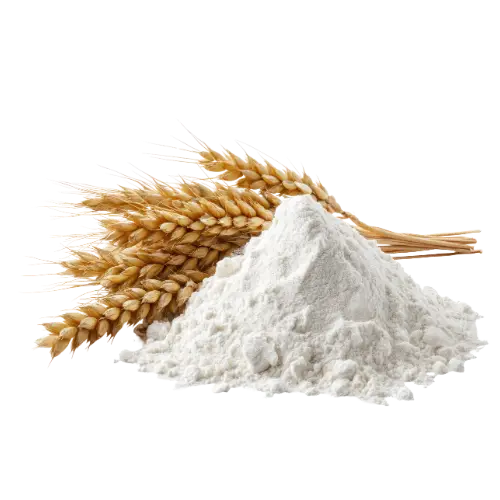
Flour is structure. Every other ingredient in a bake works relative to the flour: the fat coats the gluten strands to create tenderness, the sugar interacts with the proteins during baking to control browning, the liquid hydrates the starch and activates gluten development, the eggs bind the network together. Get the flour amount right and the recipe has a chance. Too much and the crumb is dry and dense. Too little and the bake slumps, sticks, and spreads into a puddle. Measuring flour by weight is more reliable than by volume because a packed cup of flour can weigh 30% more than a properly spooned and leveled one.
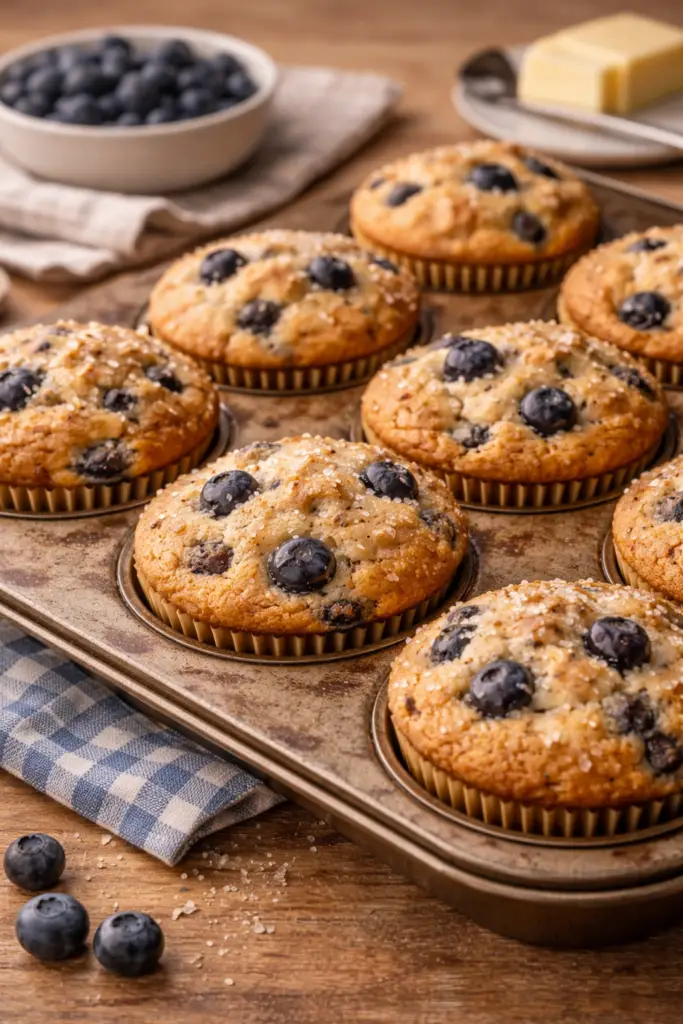
Different flours serve genuinely different purposes. All-purpose flour handles most baking and all savory cooking. Bread flour has more protein and builds more gluten, making it the right choice for chewy breads and pizza doughs. Cake flour has less protein and produces a finer, more tender crumb – Lemon Raspberry Muffins are a case where cake flour makes a real difference in the delicate texture of the finished muffin. Almond and oat flours are not substitutes for wheat flour at a one-to-one ratio; they absorb liquid differently and contribute no gluten, so they need binding agents like extra vanilla extract or flax to work or flax to work.
For yeasted baking specifically, flour interacts with the yeast in ways that no other ingredient does. The Best Cinnamon Rolls demonstrate this clearly: the flour provides the gluten network the yeast can push against during the rise, and the final texture of the roll (pillowy versus dense) is almost entirely determined by how the flour was hydrated and how long it was allowed to develop. Under-proofed dough baked from under-developed flour tastes raw and heavy. Properly proofed dough from well-hydrated flour produces the soft, layered interior home bakers are trying to replicate.
For everyday quick bakes, Cottage Cheese Eggless Pancakes show how flour behaves in a wet batter with high-protein dairy – the starch absorbs the moisture from the cottage cheese during the rest period, and the small amount of gluten development gives the pancake its structure without making it tough. The Best Peanut Butter Cookies show the other end: a dough that is mostly fat and sugar with just enough flour to hold the cookie together during baking. Both are teaching cases for what flour is actually doing in a recipe rather than just being an ingredient that gets added by default.