Soft & Chewy Snickerdoodle Cookies
The Only Snickerdoodle Recipe You’ll Ever Need
Soft centers. Crisp edges. Thick bakery-style cookies rolled generously in cinnamon sugar and baked until perfectly crackly.
If you’ve been searching for the best snickerdoodle recipe, you’re in exactly the right place.
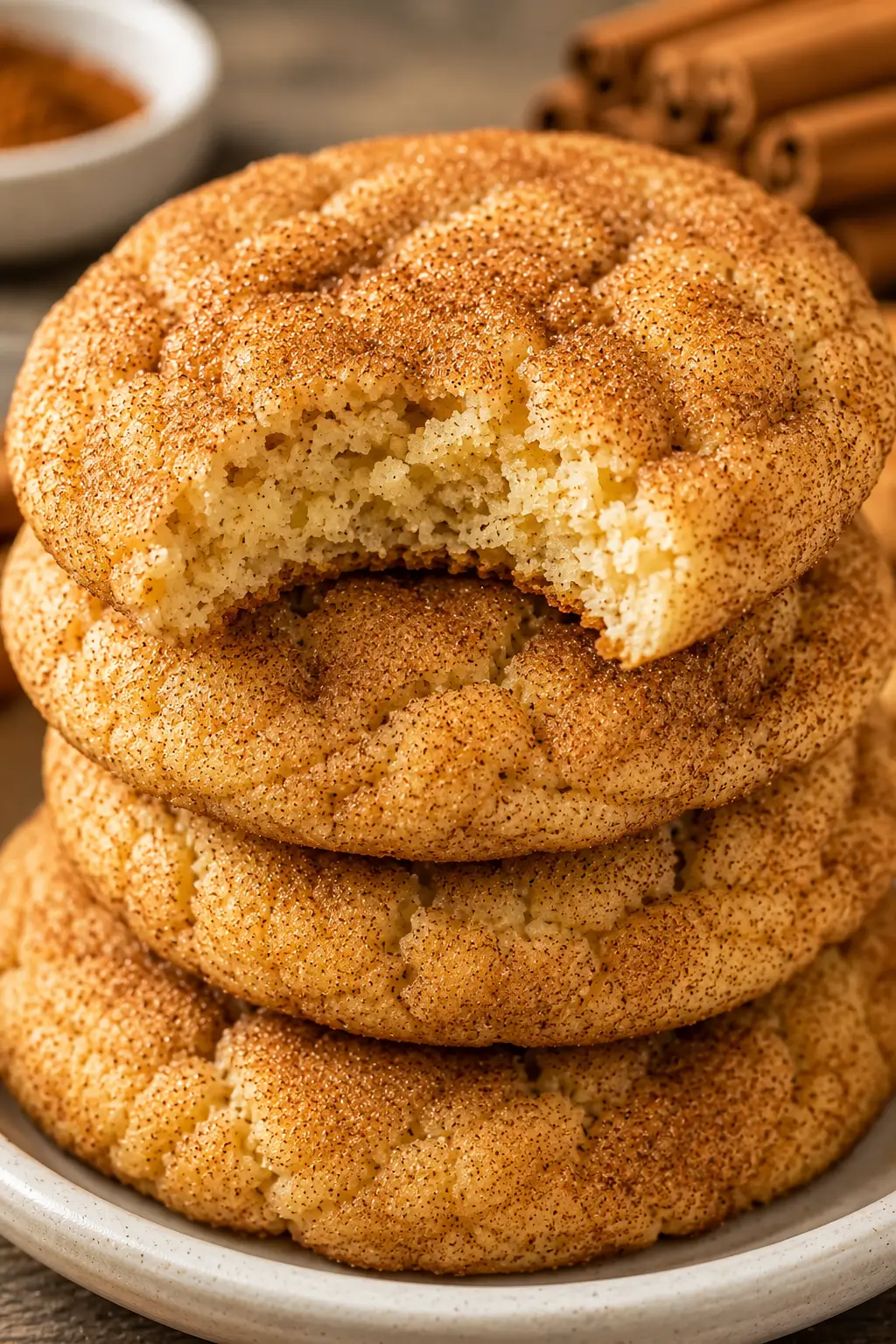
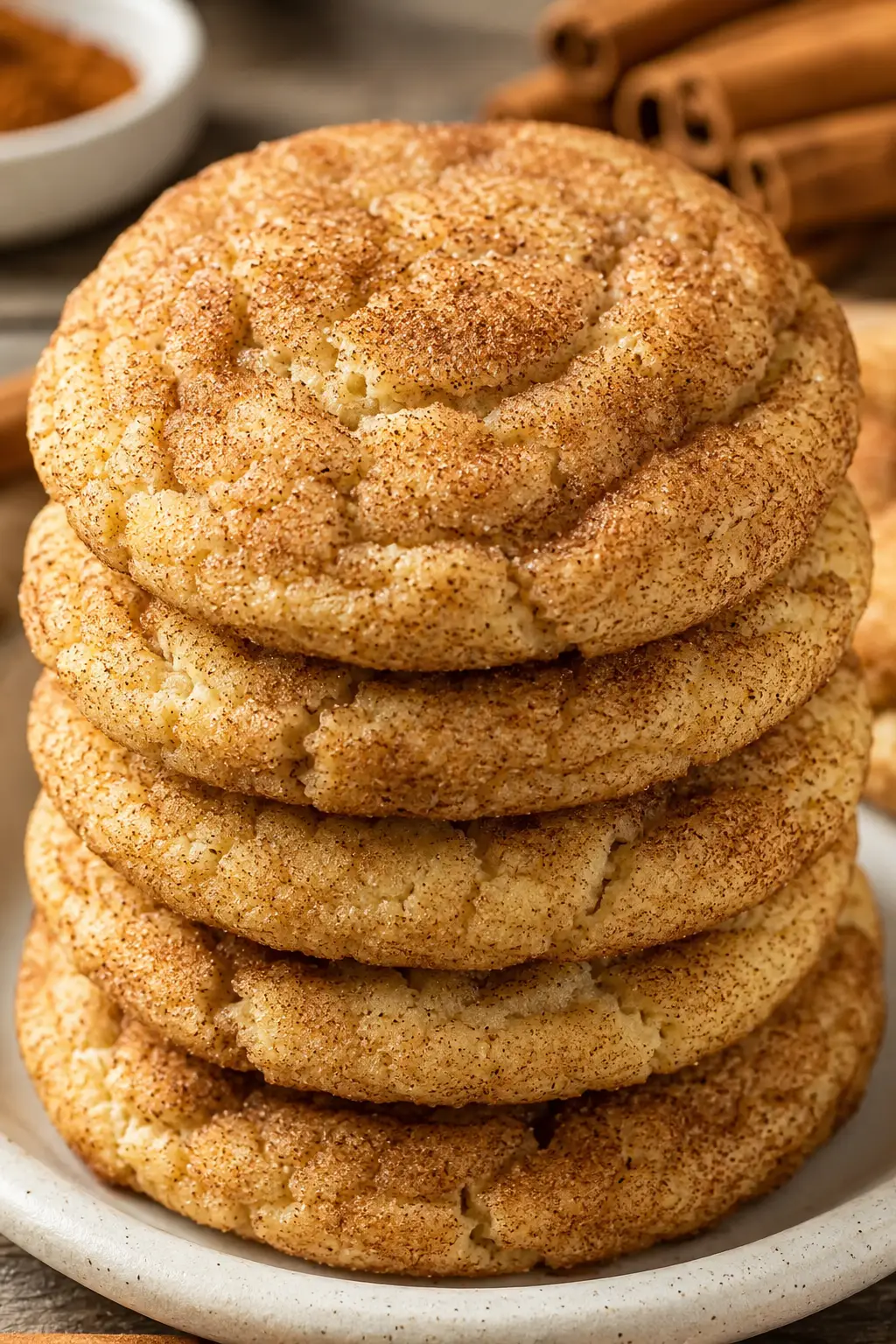
These homemade snickerdoodles are everything a classic cookie should be—buttery, pillowy soft, perfectly chewy, and packed with warm cinnamon flavor. They have that signature tang from cream of tartar, beautiful crackled tops, and a cinnamon-sugar coating that caramelizes into the most irresistible finish.
Whether you’re baking for Christmas cookie trays, weekend baking, cookie exchanges, or simply because you’re craving an old-fashioned homemade cookie, this recipe delivers bakery-quality results every single time.
Even better? There’s no complicated technique, no stand mixer required (although you can certainly use one), and no long chill time.
After years of testing cookie recipes and studying what makes bakery cookies so memorable, I’ve combined the best techniques into one dependable recipe that stays soft for days while developing incredible flavor.
If soft, chewy cookies with crisp cinnamon-sugar edges are your idea of perfection, this recipe belongs in your permanent baking collection.
Why You’ll Love These Homemade Snickerdoodles
There are hundreds of snickerdoodle recipes online—however, I have carefully designed this recipe to recreate everything you love about a bakery-style cookie!
These cookies are:
- Thick and soft instead of flat
- Extra chewy in the center
- Lightly crisp around the edges
- Loaded with buttery flavor
- Perfectly balanced with cinnamon sugar
- Beautifully crackled on top
- Easy enough for beginner bakers
- Ready in under an hour
- Great for freezing
- Perfect for holiday baking
The secret isn’t just one ingredient.
It’s using several small baking techniques together that create cookies with outstanding texture and flavor.
What Is a Snickerdoodle?
A snickerdoodle is a classic American cinnamon sugar cookie that’s famous for its soft texture and signature tangy flavor.
Unlike sugar cookies, snickerdoodles contain cream of tartar, which gives them their unmistakable flavor while helping create their signature chewy texture.
Before baking, each dough ball is rolled generously in cinnamon sugar, producing a delicate crackled exterior that’s lightly crisp while the inside stays soft and tender.
Although the exact origin of the name is debated, snickerdoodles have been enjoyed for well over a century and remain one of America’s favorite homemade cookies.
Their nostalgic flavor, simple ingredients, and foolproof preparation make them a staple during the holidays, but they’re just as delicious any time of year.
Why This Recipe Works
After testing different ratios of butter, flour, sugar, and leavening agents, I found several techniques that consistently produce bakery-worthy cookies.
Extra Flour Prevents Flat Cookies
Adding just enough flour creates thicker cookies without making them dry.
The dough stays sturdy while still baking into an incredibly tender cookie.
Cream of Tartar Creates Signature Flavor
Cream of tartar does much more than add tang.
It helps create:
- chewy texture
- soft centers
- beautiful cracks
- classic snickerdoodle flavor
- light tenderness
Without it, you’d simply have a cinnamon sugar cookie.
Double Rolling in Cinnamon Sugar
Instead of rolling once, I like rolling each cookie twice.
The second coating creates:
- thicker cinnamon crust
- richer cinnamon flavor
- prettier crackled tops
- sparkling finish
It’s a tiny step that makes a noticeable difference.
Slight Underbaking
The cookies should still look slightly soft in the center when removed from the oven.
Residual heat continues baking them on the pan.
This creates perfectly soft centers instead of dry cookies.
Room Temperature Ingredients
Butter and eggs mix more evenly when they’re at room temperature.
This produces:
- smoother dough
- better rise
- more even baking
- softer crumb
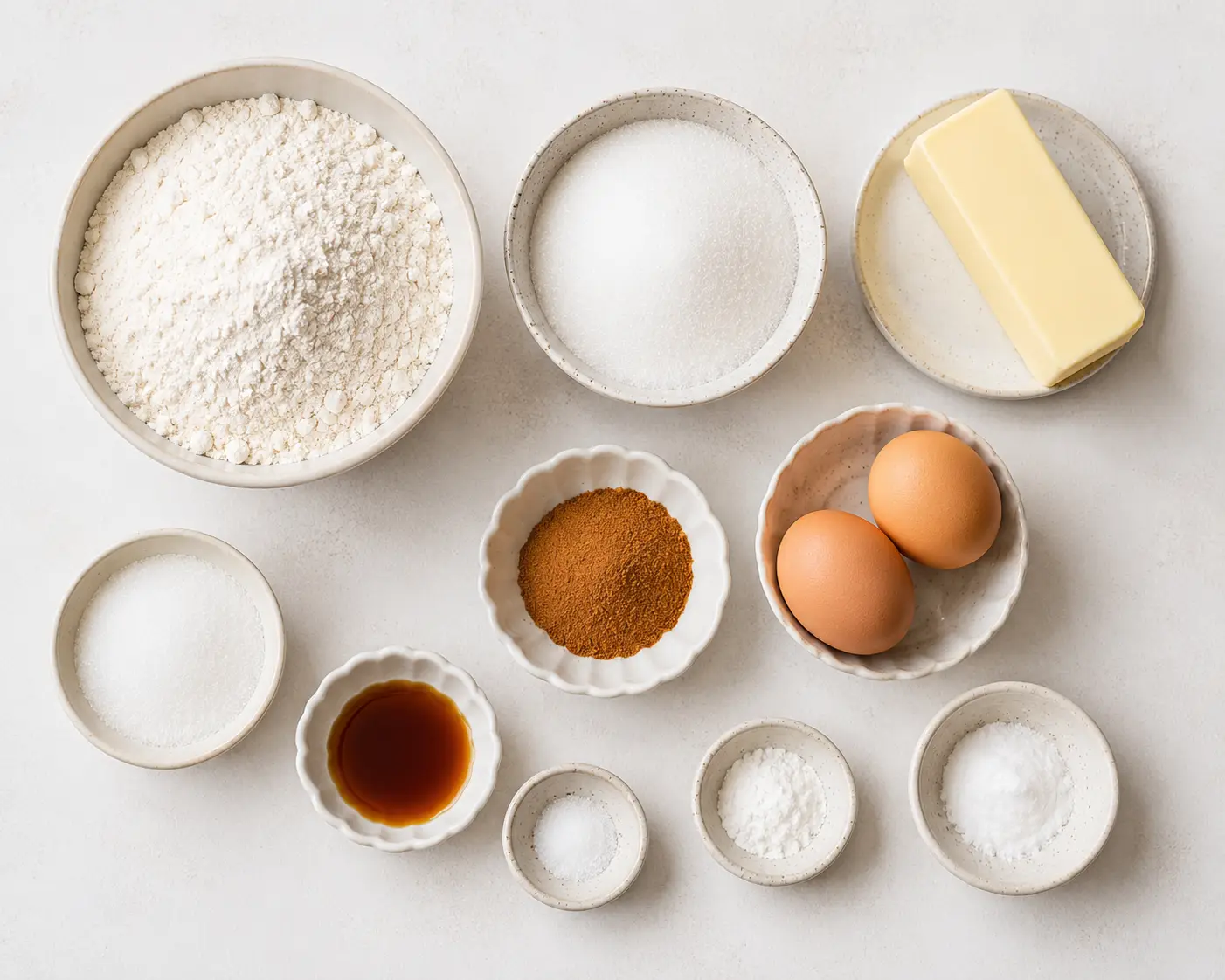
Ingredients You’ll Need
One of the reasons snickerdoodles have remained so popular is that they use simple pantry staples.
- Unsalted Butter
Butter provides richness and moisture.
Using unsalted butter allows you to control the amount of salt in the recipe.
Softened butter creams beautifully with sugar, creating tiny air pockets that help the cookies rise.
- Granulated Sugar
Granulated sugar sweetens the dough while also helping produce crisp edges.
Some sugar is also reserved for rolling with cinnamon before baking.
- Eggs
Eggs provide structure, moisture, and richness.
They also contribute to the chewy interior that makes these cookies irresistible.
Pure vanilla enhances every other flavor in the dough.
Even though cinnamon is the star, vanilla gives these cookies warmth and depth.
Flour provides structure while still allowing the cookies to stay soft.
Too much flour creates dry cookies.
Too little creates flat cookies.
Measuring accurately makes all the difference.
For best results, spoon flour into your measuring cup and level it with a knife instead of scooping directly from the bag.
- Cream of Tartar
This is the ingredient that transforms sugar cookies into authentic snickerdoodles.
It provides:
- signature tang
- soft texture
- chewy bite
- crackled tops
If you’re making classic snickerdoodles, don’t skip it.
- Baking Soda
Cream of tartar reacts with baking soda during baking.
Together they help create: lift, tenderness, chewy centers, and even browning
- Salt
Salt balances sweetness while enhancing the buttery flavor.
Never underestimate its importance in baking.
Fresh cinnamon gives these cookies their iconic flavor.
Using high-quality cinnamon makes an enormous difference.
Ingredient Science
Baking is chemistry.
Understanding why each ingredient matters makes you a better baker.
Butter contributes fat, flavor, and tenderness.
Sugar creates sweetness while helping caramelize the edges.
Eggs bind ingredients together while adding richness.
Flour builds structure.
Cream of tartar adds acidity.
Baking soda reacts with that acidity to create lift.
Cinnamon provides warmth and aroma.
When each ingredient is balanced properly, every cookie bakes evenly with soft centers and lightly crisp edges.
Why Cream of Tartar Is So Important
This ingredient often raises questions.
Can you substitute it?
Technically yes.
Should you?
Not if you want authentic snickerdoodles.
Cream of tartar is an acidic powder made during the winemaking process.
When paired with baking soda, it produces carbon dioxide, which helps cookies rise.
It also prevents sugar from crystallizing too quickly, keeping cookies softer longer.
Finally, it creates the signature tang that makes snickerdoodles taste different from ordinary sugar cookies.
The Secret to Thick Bakery Cookies
Professional bakeries don’t rely on one trick.
They combine several.
Here’s what makes these cookies thick:
- Proper flour measurement
- Soft—not melted—butter
- Correct oven temperature
- Large dough balls
- Double cinnamon sugar coating
- Slight underbaking
- Cooling on the baking sheet
Each technique builds on the next.
Skip one and the cookies still taste great.
Follow them all and they taste like they came from your favorite bakery.
Choosing the Best Cinnamon
Since cinnamon is one of the main flavors, quality matters.
Fresh cinnamon has stronger oils and more aroma than older spice jars that have been sitting in the pantry for years.
If your cinnamon is several years old, replacing it can dramatically improve the flavor of these cookies.
Vietnamese cinnamon produces a slightly stronger, sweeter flavor.
Saigon cinnamon offers bold warmth.
Ceylon cinnamon has a more delicate taste.
Any will work beautifully—choose the one you love most.
Butter Temperature Matters
One of the most common baking mistakes is butter that’s too warm.
If your finger easily sinks into the butter while it still holds its shape, it’s perfect.
If it’s shiny, greasy, or partially melted, it’s too warm.
Butter that’s too soft causes cookies to spread.
Butter that’s too cold won’t cream properly.
Aim for approximately 65°F for the best texture.
Measuring Flour Correctly
Many homemade cookies become dry because of excess flour.
Never scoop directly into the flour bag.
Instead:
- Stir the flour.
- Spoon it into the measuring cup.
- Level it with a straight edge.
This simple habit can completely transform your cookies.
Do You Need to Chill the Dough?
This recipe was specifically designed to minimize chilling.
However, if your kitchen is especially warm or your butter softened too much, chilling the dough for 20–30 minutes helps produce even thicker cookies.
It’s optional—but helpful.
Baking Equipment You’ll Need
Good equipment makes baking easier.
You’ll need:
- Mixing bowls
- Measuring cups and spoons
- Cookie scoop
- Rubber spatula
- Hand or stand mixer
- Baking sheets
- Parchment paper
- Cooling rack
Using a light-colored baking sheet also helps cookies bake more evenly without over-browning the bottoms.
My Favorite Pan for Perfect Cookies
One of my favorite baking upgrades has been switching to my Caraway baking sheet. The naturally non-stick ceramic surface promotes even browning without excessive greasing, helping cookies bake with crisp edges and soft centers every time. Cleanup is quick, and the sturdy construction helps prevent hot spots, making it a pan I reach for again and again whenever I’m baking cookies, roasting vegetables, or preparing sheet pan dinners. Click here to shop my trusted favorites and receive a generous discount applied at checkout!
How to Make the Best Soft & Chewy Snickerdoodle Cookies
One of the reasons I come back to this recipe again and again is that it’s incredibly simple. There are no fancy techniques, specialty ingredients, or hours of chilling required—just a handful of pantry staples and a few baking tips that make all the difference.
The key is paying attention to the little details. Properly creamed butter, accurately measured flour, and slightly underbaking the cookies all work together to create thick, bakery-style snickerdoodles with soft centers and beautifully crackled cinnamon sugar tops.
Let’s bake!
Step 1: Preheat the Oven
Preheat your oven to 375°F (190°C).
Line two light-colored baking sheets with parchment paper. Parchment helps the cookies bake evenly, prevents sticking, and encourages those gorgeous crackled tops.
Avoid greasing the pans with cooking spray or butter, which can cause cookies to spread more than intended.
Step 2: Make the Cinnamon Sugar Coating
In a small shallow bowl, whisk together:
- Granulated sugar
- Ground cinnamon
Set aside while you prepare the cookie dough.
Having this ready before scooping the dough makes the process much easier.
Step 3: Cream the Butter and Sugar
In a large mixing bowl, beat the softened butter and granulated sugar for 3–4 minutes, until the mixture becomes light, fluffy, and noticeably paler in color.
Don’t rush this step.
Creaming incorporates tiny air pockets into the butter, giving the cookies lift and helping create that tender, chewy texture.
If you’re using a stand mixer, use the paddle attachment on medium speed.
If you’re using a hand mixer, scrape down the bowl halfway through mixing.
Step 4: Add the Wet Ingredients
Mix in the eggs one at a time, beating well after each addition.
Stir in the vanilla extract until fully incorporated.
The mixture should look smooth, creamy, and slightly glossy.
Step 5: Whisk the Dry Ingredients
In a separate bowl, whisk together:
- All-purpose flour
- Cream of tartar
- Baking soda
- Salt
Whisking first ensures the leavening ingredients are evenly distributed throughout the dough.
Step 6: Combine the Dough
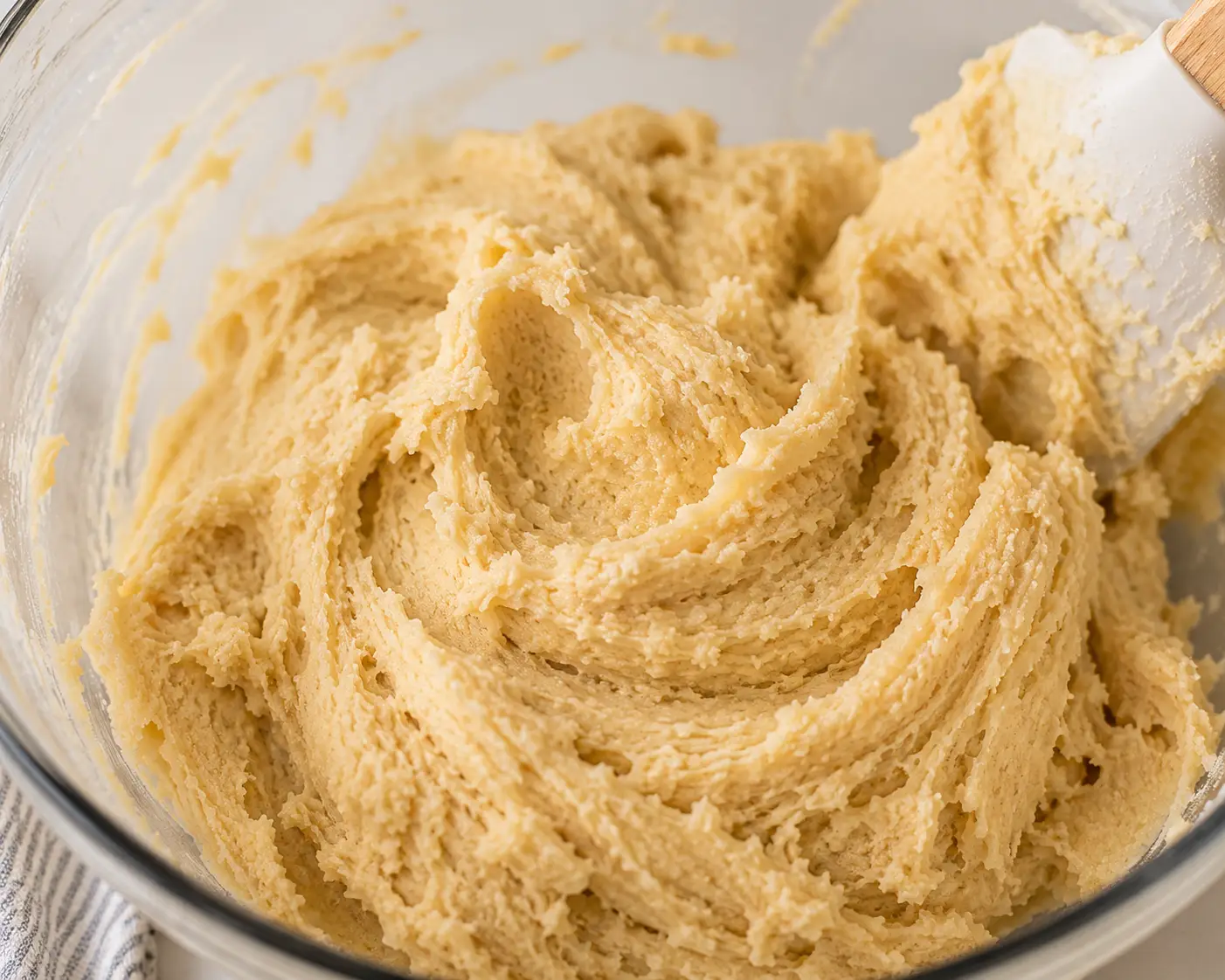
Gradually add the dry ingredients to the wet ingredients.
Mix on low speed only until no streaks of flour remain.
Avoid overmixing.
Overworked cookie dough develops excess gluten, leading to tougher cookies instead of soft, tender ones.
The finished dough should feel soft but not sticky.
Step 7: Scoop the Dough
Using a medium cookie scoop (about 2 tablespoons each), portion the dough into even balls.
Uniform dough balls bake much more evenly than hand-shaped cookies of different sizes.
For bakery-style cookies, gently roll each portion between your hands until smooth.
Step 8: Roll in Cinnamon Sugar
Roll each dough ball generously in the cinnamon sugar mixture.
For extra flavor—and one of my favorite bakery tricks—roll each cookie twice.
That second coating creates thicker cinnamon coverage and more dramatic crackled tops.
Place cookies about 2 inches apart on the prepared baking sheets.
Step 9: Bake
Bake for 8–10 minutes, or until:
- The edges are lightly golden.
- The tops are puffed and crackled.
- The centers still look slightly underdone.
Don’t wait until the centers look completely baked.
Residual heat finishes cooking them while they cool on the pan.
This is the secret to incredibly soft cookies.
Step 10: Cool
Allow the cookies to rest on the baking sheet for 5 minutes before transferring them to a wire rack.
Those few minutes let the cookies finish setting without overbaking.
Once cooled, the centers remain wonderfully soft while the edges become lightly crisp.
Pro Tips for Bakery-Style Snickerdoodles
Professional bakeries rely on small details that make a big impact. Here are my favorite tricks for consistently amazing cookies:
Use Room Temperature Ingredients
Cold butter and eggs don’t blend properly.
Room-temperature ingredients create smoother dough and more even baking.
Measure Flour Correctly
Too much flour is one of the biggest reasons homemade cookies turn out dry.
Always spoon the flour into the measuring cup and level it with a knife instead of scooping directly from the bag.
Don’t Overmix
Once the flour is added, mix only until combined.
Excess mixing develops gluten, creating denser cookies.
Roll Twice
A second roll in cinnamon sugar creates a thicker coating, richer flavor, and prettier crackled tops.
It’s a simple bakery trick that’s absolutely worth the extra minute.
Slightly Underbake
The cookies should still look a little soft in the middle when you remove them from the oven.
They’ll continue baking from the residual heat of the baking sheet.
Use a Cookie Scoop
Uniform cookies bake evenly and look much more professional.
A cookie scoop also helps maintain consistent baking times.
Bake One Sheet at a Time
If possible, bake one tray at a time on the center rack.
This encourages more even heat circulation and consistent browning.
Common Snickerdoodle Mistakes
Even experienced bakers occasionally run into cookie problems. Here’s how to avoid the most common ones.
My Cookies Spread Too Much
Possible causes include:
- Butter too warm
- Not enough flour
- Oven not fully preheated
- Dough wasn’t chilled in a warm kitchen
Try chilling the dough for 20–30 minutes before baking if your kitchen is warm.
My Cookies Didn’t Crack
Beautiful crackled tops happen when the cookies rise quickly.
Be sure your baking soda and cream of tartar are fresh, and don’t skip the cinnamon sugar coating.
My Cookies Are Dry
Dry cookies usually result from:
- Too much flour
- Overbaking
- Overmixing
Measure carefully and remove the cookies while the centers still look slightly soft.
My Cookies Are Tough
Overmixing after adding flour is usually the culprit.
Mix only until the flour disappears.
My Cookies Didn’t Taste Like Snickerdoodles
Cream of tartar is essential.
Without it, you’ll have delicious cinnamon sugar cookies—but not classic snickerdoodles.
Easy Recipe Variations
Once you’ve mastered the classic version, it’s fun to experiment.
- Brown Butter Snickerdoodles
Brown the butter first, then allow it to cool and solidify slightly before mixing.
Brown butter adds incredible caramel and toasted flavors.
- Maple Snickerdoodles
Replace part of the vanilla with maple extract for a warm autumn twist.
- Pumpkin Spice Snickerdoodles
Add pumpkin pie spice to the cinnamon sugar coating for a festive fall cookie.
- Chai Snickerdoodles
Mix cardamom, ginger, cloves, and cinnamon into the sugar coating.
- Stuffed Snickerdoodles
Wrap the dough around:
- caramel candies
- cinnamon chips
- white chocolate
- cream cheese filling
The surprise center makes these perfect for holidays.
- Gluten-Free Snickerdoodles
Use a high-quality 1:1 gluten-free flour blend designed for baking.
No other changes are typically needed.
Storage Tips
These cookies stay surprisingly soft for several days when stored properly.
Store cooled cookies in an airtight container at room temperature for up to 5 days.
Adding a slice of sandwich bread to the container helps maintain moisture.
Replace the bread as it dries out.
Can I Freeze Snickerdoodles?
Absolutely!
- Freeze Baked Cookies
Allow the cookies to cool completely.
Store in freezer-safe containers or zip-top bags for up to 3 months.
Thaw at room temperature before serving.
- Freeze Cookie Dough
Roll the dough into balls, coat in cinnamon sugar, and freeze on a baking sheet until solid.
Transfer to a freezer bag.
Bake directly from frozen, adding 1–2 extra minutes to the baking time.
Fresh homemade cookies whenever you want them!
Make-Ahead Instructions
Cookie dough can be prepared up to 48 hours in advance.
Cover tightly and refrigerate.
Let the dough sit at room temperature for about 15 minutes before scooping if it’s very firm.
This makes holiday baking much easier.
Recipe Tips at a Glance
✔ Use room-temperature butter and eggs for a smooth, creamy dough.
✔ Measure flour using the spoon-and-level method to prevent dry cookies.
✔ Don’t skip the cream of tartar—it creates the signature tang and chewy texture that makes snickerdoodles unique.
✔ Roll each cookie twice in the cinnamon-sugar mixture for extra flavor and beautiful crackly tops.
✔ Use a medium cookie scoop for evenly sized cookies.
✔ Bake one sheet at a time on the center rack for the most even baking.
✔ Remove the cookies when the centers still look slightly underbaked—they’ll finish baking on the hot pan.
✔ Let the cookies cool on the baking sheet for 5 minutes before transferring to a cooling rack.
✔ Store cookies in an airtight container with a slice of bread to keep them soft for days.
✔ Freeze extra dough balls so fresh cookies are always just minutes away.
Storage Instructions
These homemade snickerdoodle cookies stay soft surprisingly well thanks to the butter, eggs, and cream of tartar.
Room Temperature
Store completely cooled cookies in an airtight container for up to 5 days.
For extra softness, place a slice of sandwich bread inside the container. As the bread dries out, it transfers moisture to the cookies, helping them stay bakery-soft.
- Refrigerator
Although refrigeration isn’t necessary, the cookies can be refrigerated for up to 1 week in a tightly sealed container.
Allow them to come to room temperature before serving for the best texture.
Freezing Instructions
- Freeze Baked Cookies
Allow cookies to cool completely.
Layer between sheets of parchment paper inside a freezer-safe container or zip-top freezer bag.
Freeze for up to 3 months.
Thaw at room temperature for about 30 minutes.
- Freeze Cookie Dough
One of my favorite meal-prep tricks is freezing cookie dough.
- Scoop cookie dough into balls.
- Roll each one in cinnamon sugar.
- Freeze on a parchment-lined baking sheet.
- Transfer frozen dough balls to a freezer bag.
Bake directly from frozen by adding 1–2 extra minutes to the baking time.
Fresh cookies whenever the craving strikes!
Make-Ahead Instructions
Cookie dough can be prepared 48 hours in advance.
Cover tightly and refrigerate.
When ready to bake, allow the dough to sit at room temperature for 15–20 minutes if it’s firm before scooping and rolling.
This makes holiday baking and cookie exchanges much easier.
Troubleshooting Guide
Why are my cookies flat?
Possible causes include:
- Butter was too warm.
- Not enough flour.
- Oven wasn’t fully preheated.
- Baking soda or cream of tartar is expired.
- Baking sheet was still warm from a previous batch.
Why didn’t my cookies crack?
Beautiful crackly tops happen when:
- Dough is rolled generously in cinnamon sugar.
- Oven is fully preheated.
- Leavening is fresh.
- Dough isn’t overmixed.
Why are my cookies dry?
Dry cookies are usually caused by:
- Too much flour
- Overbaking
- Measuring flour incorrectly
Remember—they should still look slightly soft in the center when removed from the oven.
Why are my cookies hard?
Hard cookies usually result from baking too long or storing them uncovered.
Always use an airtight container.
Why didn’t they stay soft?
Soft cookies depend on:
- Proper butter temperature
- Correct flour measurement
- Slight underbaking
- Airtight storage
Expert Baker Tips
These little tricks separate good cookies from truly unforgettable bakery-style cookies.
✔ Bake on light-colored baking sheets.
✔ Rotate the baking sheet halfway through baking if your oven has hot spots.
✔ Use fresh cinnamon for the strongest flavor.
✔ Replace baking soda every six months for maximum lift.
✔ Weigh flour if you own a kitchen scale for the most consistent results.
✔ Allow cookies to cool completely before storing.
✔ Never stack warm cookies.
✔ Roll the dough balls smoothly before coating in cinnamon sugar for prettier crackled tops.
Before You Go
Snickerdoodles are proof that simple ingredients can create something truly unforgettable. With their soft centers, buttery flavor, and signature cinnamon-sugar coating, they’re a timeless cookie that’s just as welcome on a holiday dessert tray as it is alongside an afternoon cup of coffee.
By following these simple techniques—properly creaming the butter, measuring flour accurately, rolling each cookie twice in cinnamon sugar, and removing them from the oven while they’re still slightly soft—you’ll have bakery-style snickerdoodles every single time.
Whether you’re baking for family, friends, a cookie exchange, or simply treating yourself, this recipe is one you’ll come back to again and again. Once you taste these thick, chewy cookies fresh from the oven, it’s easy to see why snickerdoodles have remained a classic for generations.
More Cookies and Baking Recipes You’ll Love
If you loved these chewy snickerdoodles, here are a few more bakery-style cookies and baking recipes:
Soft & Chewy Snickerdoodle Cookies
Ingredients
Cookie Dough
- 1 cup unsalted butter (226g) softened
- 1½ cup granulated sugar (300g)
- 2 large eggs room temperature
- 2 tsp pure vanilla extract
- 2¾ cup all-purpose flour (345g) or gluten-free flour
- 2 tsp cream of tartar
- 1 tsp baking soda
- ½ tsp salt
Cinnamon Sugar Coating
- ½ cup granulated sugar (50g)
- 2 tsp ground cinnamon
 Get Recipe Ingredients
Instructions
- Preheat oven to 375°F and line baking sheets with parchment paper.
- Mix together the cinnamon and sugar for the coating in a shallow bowl.
- Beat the softened butter and sugar until light and fluffy, about 3–4 minutes.
- Add the eggs one at a time, mixing well after each addition.
- Stir in the vanilla extract.
- In a separate bowl, whisk together the flour, cream of tartar, baking soda, and salt.
- Gradually mix the dry ingredients into the wet ingredients just until combined.
- Scoop approximately 2 tablespoons of dough for each cookie and roll into smooth balls.
- Roll each dough ball twice in the cinnamon-sugar mixture.
- Place cookies about 2 inches apart on the prepared baking sheets.
- Bake for 8–10 minutes until the edges are lightly golden and the centers still look slightly underdone.
- Let cookies cool on the baking sheet for 5 minutes before transferring to a wire rack to cool completely.
Notes
Recipe Notes
- Don't overmix the dough after adding the flour.
- Spoon and level your flour for the most accurate measurement.
- For extra-thick cookies, chill the dough for 20 minutes.
- Roll twice in cinnamon sugar for bakery-style results.
- Cookies will continue baking as they cool on the hot pan.
Estimated Nutrition (Per Cookie)
| Nutrient | Amount |
|---|---|
| Calories | 188 |
| Carbohydrates | 27 g |
| Protein | 2 g |
| Fat | 8 g |
| Saturated Fat | 5 g |
| Cholesterol | 30 mg |
| Sodium | 95 mg |
| Potassium | 28 mg |
| Fiber | 0.5 g |
| Sugar | 16 g |
| Calcium | 10 mg |
| Iron | 1 mg |
Frequently Asked Questions
What can I use if I don't have cream of tartar?
While cream of tartar is essential for authentic snickerdoodles, if you are in a pinch, you can replace both the cream of tartar and baking soda with 2 teaspoons of baking powder. The cookies will lack that distinct signature tang, but they will still bake up soft and delicious!
Why did my snickerdoodles turn out flat?
Flat cookies are usually caused by butter that was too warm or melted when mixing, or under-measuring the flour. If your kitchen is warm, chill the rolled dough balls in the refrigerator for 15 minutes before baking to keep the butter fats firm.
How should I store homemade snickerdoodles?
Keep your completely cooled cookies in an airtight container at room temperature. To keep them exceptionally soft and pillowy for up to 5 to 7 days, place a single slice of white bread inside the container—the cookies will absorb moisture from the bread to maintain their soft crumb!
Can I freeze snickerdoodle cookie dough?
Yes! You can scoop the dough into balls and roll them in the cinnamon-sugar coating before freezing them on a tray until solid. Transfer the frozen dough balls to a heavy-duty freezer bag for up to 3 months. Bake straight from frozen at 375°F, adding an extra 1 to 2 minutes to the bake time.
Can I make these cookies without eggs?
Yes! To make an eggless version, substitute each egg with 1/4 cup of unsweetened applesauce or 2 tablespoons of milk combined with 1 tablespoon of melted butter to maintain the rich moisture and soft chew.
More Dessert Recipes
Looking for more easy and comforting meals? Browse all recipes here: