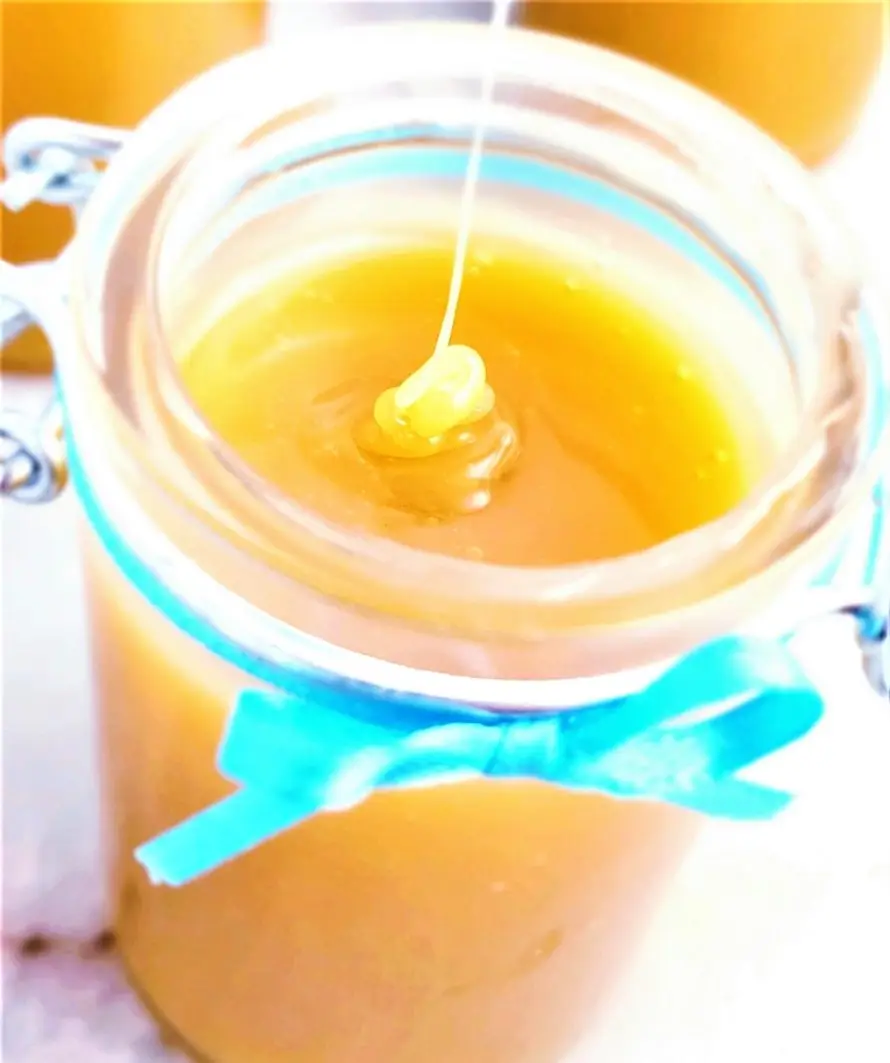
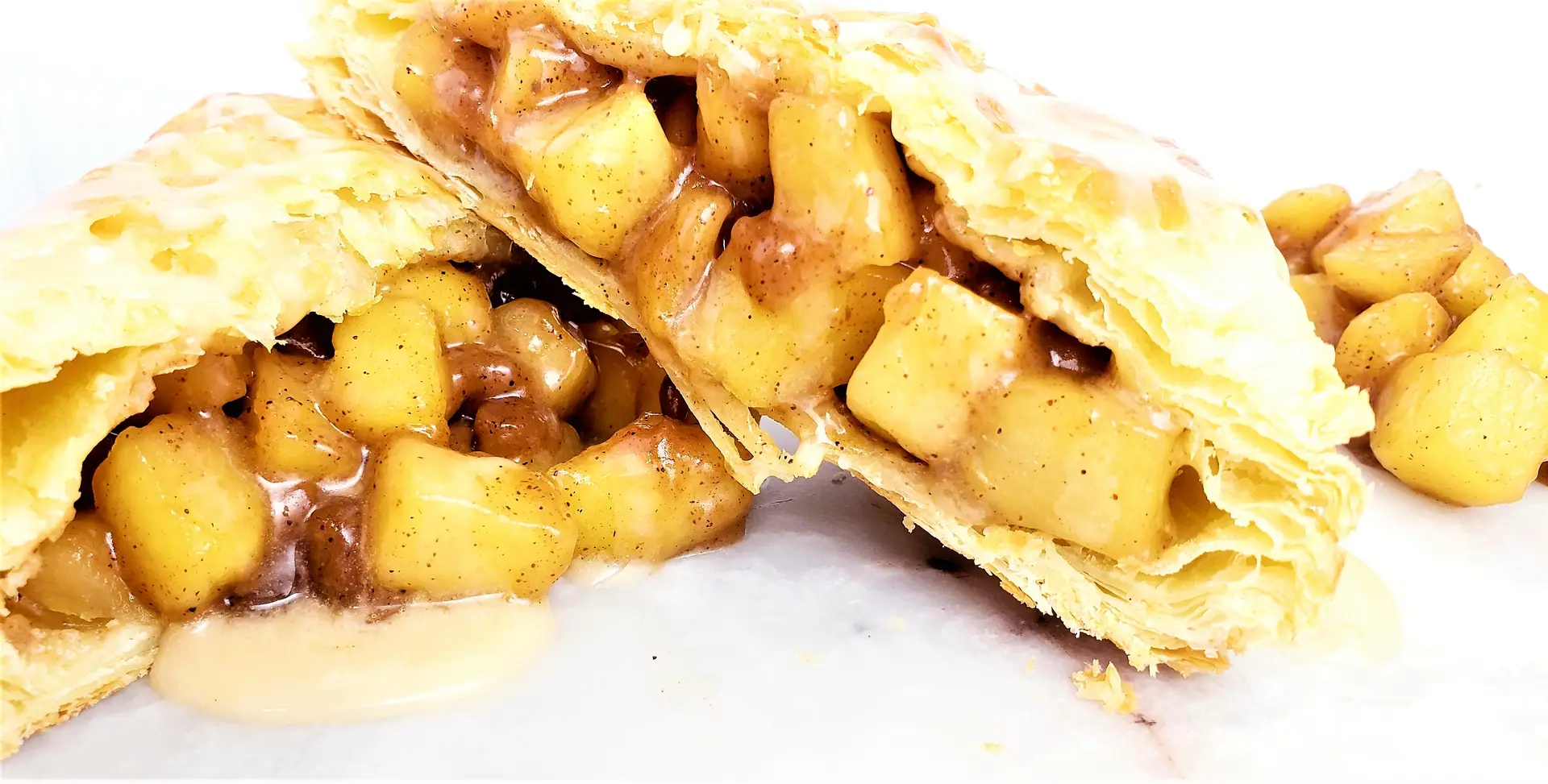
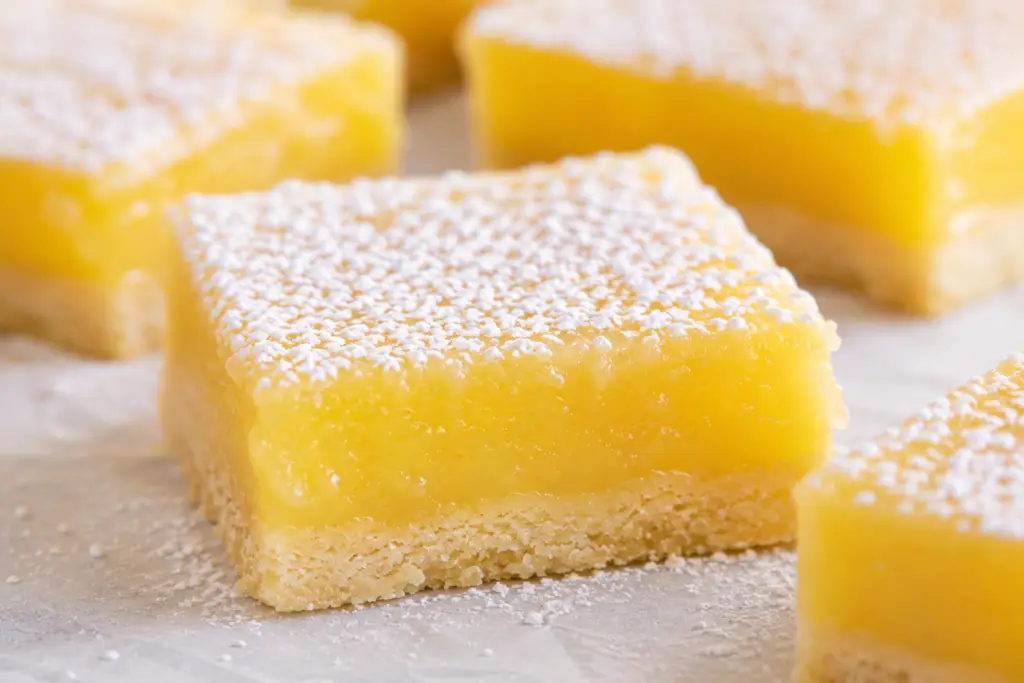
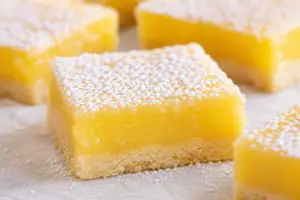
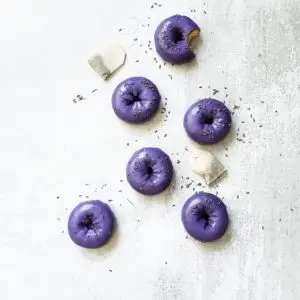
Pastry covers the bakery-style bakes that look harder than they are. The mystique is mostly about technique (cold butter, proper rolling, careful proofing) rather than expensive ingredients. Most pastry recipes here use grocery-store flour, butter, and yeast, with shortcuts for the parts that benefit from them (store-bought puff pastry is genuinely good and not worth making from scratch unless you have a free weekend).
The most important pastry rule is keep the butter cold. Whether you are making pie dough, croissants, biscuits, or scones, butter that melts before it hits the oven destroys the flaky layered texture that good pastry should have. Working quickly, chilling between steps, and using cold liquid all matter. The bench surface should be cool. Even your hands should be cool, since warm hands melt the butter as you work.
Proofing yeasted pastry is where most home bakers go wrong. Underproofed dough produces dense, doughy pastries that look pale and undercooked. Overproofed dough collapses in the oven and ends up flat and slightly sour. The right proof is when the dough is visibly puffed but still has spring when you press it gently with a finger. The finger leaves a dent that slowly fills back in. If the dent stays, it is overproofed. If it springs back fully, it needs more time.
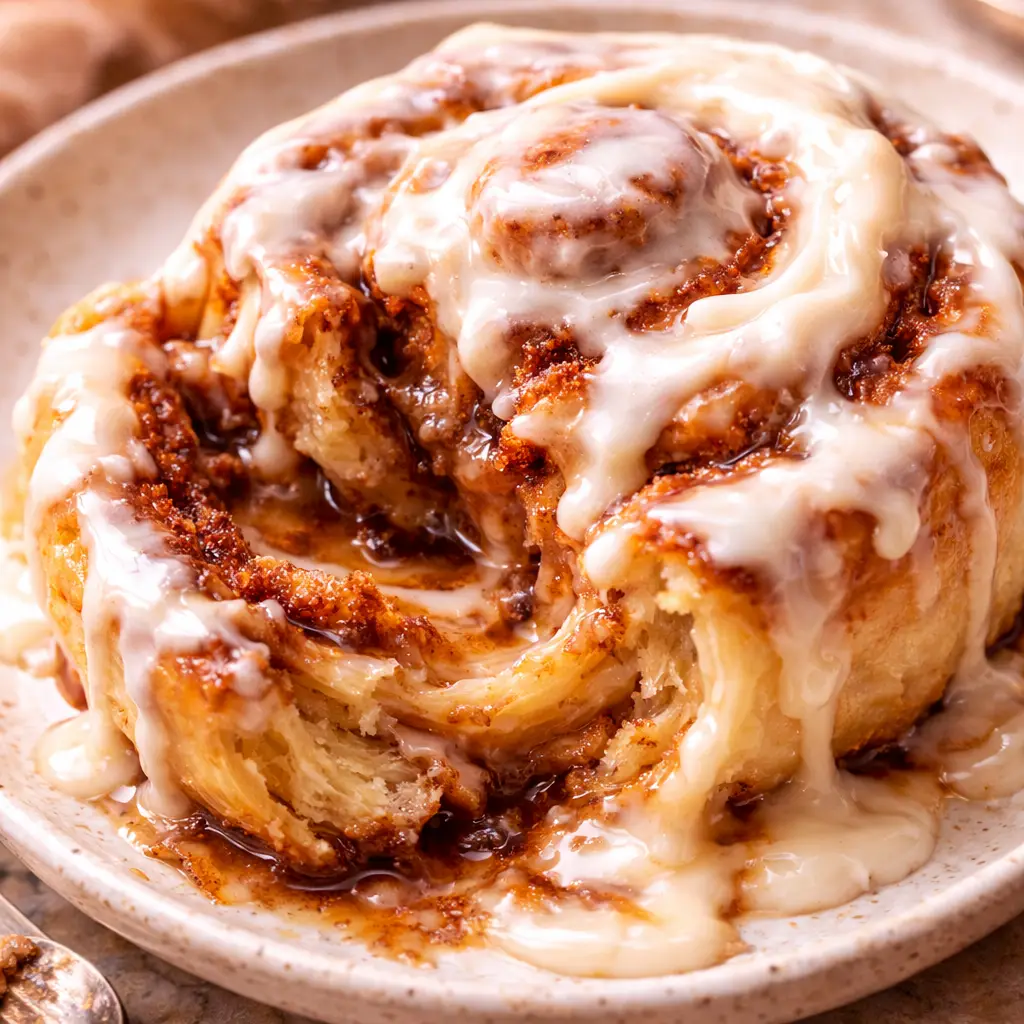
Pastries are the perfect brunch recipes category. Cinnamon rolls, sticky buns, and fruit Danishes are weekend-baking favorites that finish in the morning after an overnight rise. They overlap heavily with breakfast recipes for slower mornings and with bread recipes since most pastries are enriched bread doughs with sweeter fillings. Banana Bread sits at the bread-pastry edge and works as either, and Cinnamon Roll French Toast Bake is the make-ahead pastry-style brunch bake that runs itself in the oven Sunday morning. The make-ahead overnight rise is the key technique that makes weekend pastry baking possible without losing your entire Saturday morning to dough work.