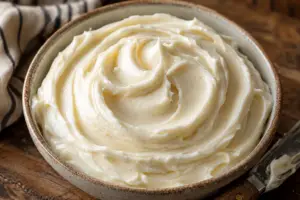
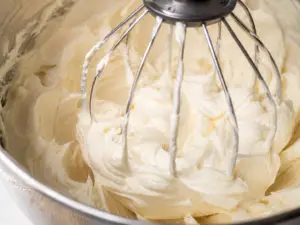
Heavy cream is not the same as heavy whipping cream, half-and-half, or light cream, even though milk sometimes gets called out as a substitute. The butterfat percentage is what determines what each one can do. Heavy cream at 36-40% butterfat whips into stable peaks and can be boiled without breaking. Heavy whipping cream at 30% can whip but will not hold as long. Half-and-half at 10-12% cannot whip at all and will break if boiled. Recipes that call specifically for heavy cream are calling for the higher fat content for a structural reason; substituting milk or half-and-half rarely works without other adjustments.
In savory cooking, heavy cream’s high fat content lets it reduce without breaking, which is the foundation of most cream sauces. Bring it to a simmer with aromatics, cook until it coats the back of a spoon, and you have a finished sauce that thickens further as it cools. Simple and Quick Sheet Pan Chicken uses a quick pan-sauce approach with heavy cream finished into the chicken drippings — the cream reduces in five minutes while the chicken rests, and the result is a complete dish with no separate sauce-making step.
In baking, heavy cream serves three different functions depending on temperature. Cold, it whips into peaks for frosting, fillings, and toppings. At room temperature, it adds richness and moisture to batters without the structural weight that butter brings. Warm, it dissolves chocolate and sugar into ganaches and custards. Shortbread Cookie Bars demonstrate the room-temperature use, where a small amount of heavy cream in the dough produces a more tender, melt-in-the-mouth bar than butter alone would create. The substitution rule is roughly 1 tablespoon cream per cup of butter in most cookie doughs.
For a recipe that shows heavy cream doing structural work in a savory context, The Best Cinnamon Rolls pours a generous amount of warm heavy cream over the rolls before the final bake, which steams the bottom of the rolls while the top crisps, producing the bakery-style texture that home cinnamon rolls usually miss. The trick is real but underused — once you try it on cinnamon rolls, you can apply the same heavy-cream-over-top approach to most enriched breads.