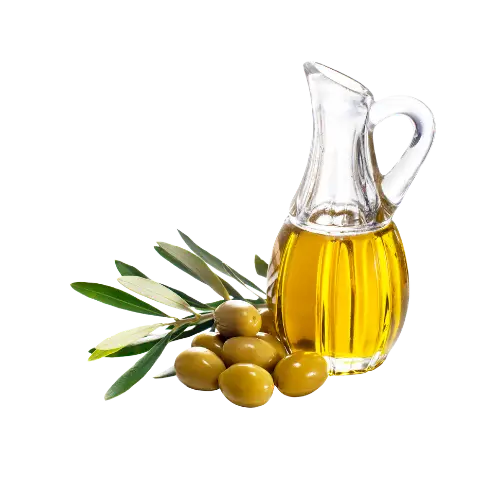
Olive oil is the workhorse fat of savory cooking and shows up in far more recipes here than most ingredients at similar volume. It coats vegetables before roasting to encourage browning and prevent sticking. A pinch of salt and oil together is the baseline for most savory prep. It is the fat that carries the garlic in a sofrito or pan sauce, releasing fat-soluble flavor compounds that water cannot dissolve. It is the finishing drizzle on a soup or hummus that adds richness and rounds out acidity. Each use is a different job, but the same bottle handles all of them.
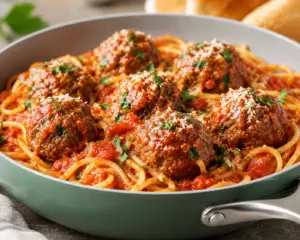
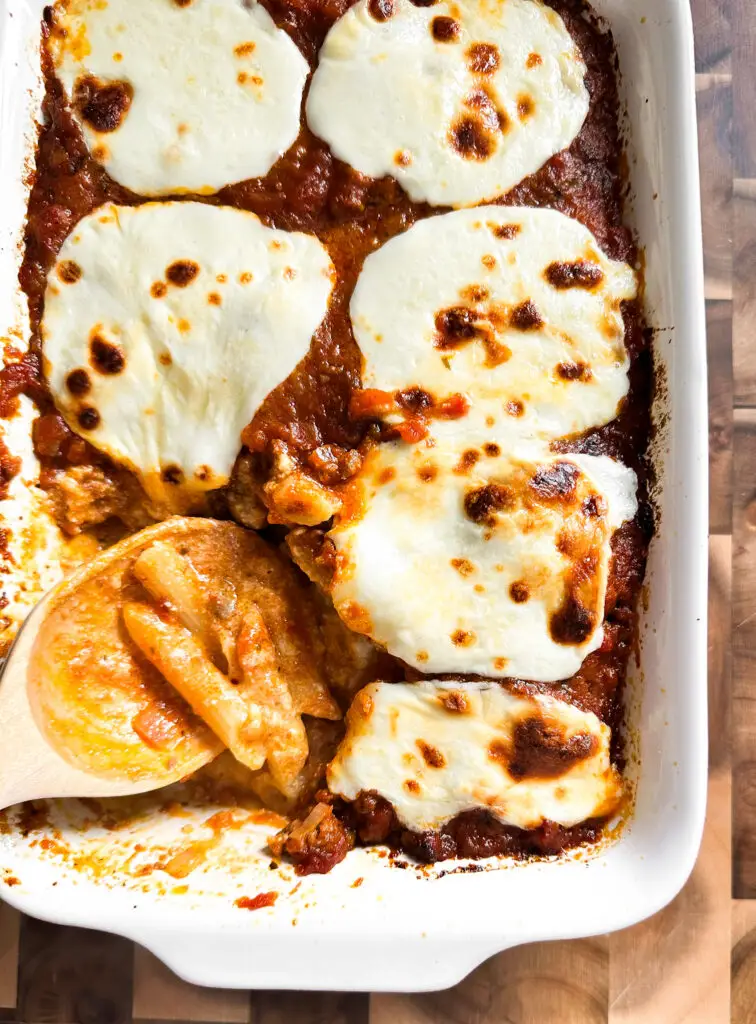
Extra-virgin olive oil and regular olive oil are not interchangeable for every use. Extra-virgin has a lower smoke point (around 375°F) and a more pronounced flavor – it is best for finishing, low-heat sautéing, and dressings. Regular refined olive oil handles higher heat without burning and has a neutral flavor that does not compete with the dish. Baked Ziti with Ground Beef uses olive oil to sauté the aromatics over medium-high heat before the tomato sauce goes in. Extra-virgin at that temperature would smoke before the garlic finishes. Regular olive oil is the right tool for that step.
Olive oil also works as a baking fat in specific applications, particularly bread. Homemade Focaccia Bread is built around a generous amount of olive oil at two stages: in the dough (where it tenderizes the crumb and carries flavor into every bite) and pooled in the pan before the dough goes in (where it crisps the bottom crust and creates that distinctly chewy, golden base). The recipe uses noticeably more oil than feels comfortable at first – that is not a mistake. The olive oil is doing structural work alongside the flour and water.
For finishing uses, the quality of the oil matters much more than it does in cooking. A finishing drizzle of good extra-virgin on The Best Roasted Tomato Soup or Easy and Smooth Hummus just before serving adds a fruity, slightly peppery note that cheap olive oil cannot replicate. This is the place to use the good bottle. Save the regular refined oil for the pan.