Worcestershire sauce is what fermented anchovies, tamarind, and molasses become after 18 months of aging. The result reads as ‘savory’ to most American eaters without registering as ‘fishy’ or ‘tangy.’ The closest non-fermented substitute is a mix of soy sauce, apple cider vinegar, and a pinch of sugar, but the depth of real Worcestershire cannot be replicated in a quick stir-together. Vegetarian versions exist but skip the anchovy, which fundamentally changes the flavor profile.
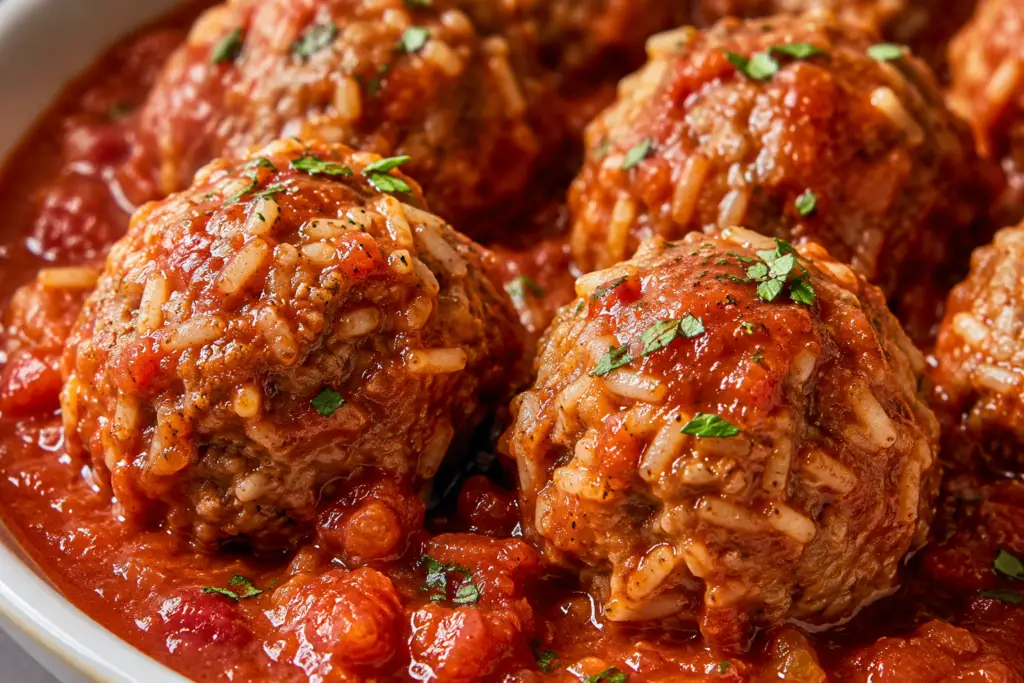
For ground beef applications (meatloaf, meatballs, sloppy joes, burgers), Worcestershire is the secret ingredient that distinguishes diner-style food from bland home cooking. A tablespoon mixed into a pound of ground beef brings savory depth that salt and pepper alone cannot provide. Combining with tomato paste bloomed at the start of the cook produces the deep red-brown umami foundation behind most American comfort food.
For marinades and steak preparations, Worcestershire is the standard component in homemade steak sauces and dry-cooked marinades. A simple marinade of 1/4 cup Worcestershire, 2 tablespoons dijon mustard, 4 cloves garlic, and black pepper produces flank steak or hanger steak that tastes restaurant-quality after 4-6 hours of marinating. The acid in the Worcestershire helps tenderize while the umami compounds penetrate the meat. Look to soy sauce, dijon mustard, and apple cider vinegar for adjacent applications in the site’s recipe library.
For Bloody Marys and savory cocktails, Worcestershire is one of the three defining ingredients (alongside hot sauce and lemon juice) in the classic recipe. A few dashes plus a celery stick garnish, salt-and-pepper rim, and tomato juice base produces the brunch-cocktail standard. Adding onion powder to the rim mixture amplifies the savory profile further. Easy Meatloaf is the classic American application that shows the technique in cooking form: a tablespoon or two folded into the ground beef mixture before baking carries the savory depth through every bite. Browse tomato sauce, marinara sauce, and rice vinegar for closely related cooking applications.