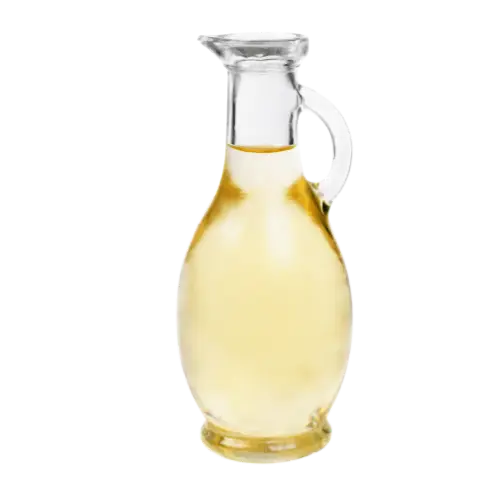
Rice vinegar and apple cider vinegar are not interchangeable in Asian recipes. Rice vinegar has roughly 4-5% acidity, compared to 5-6% for apple cider vinegar and 6-7% for white vinegar. The lower acidity produces a milder, slightly sweeter taste that works alongside soy sauce and sesame oil without producing the sharp bite that wine vinegars would. Substituting one for the other in a Chinese or Japanese recipe will produce a noticeably more aggressive, less rounded sauce.
The seasoned-versus-unseasoned distinction matters. Unseasoned rice vinegar is pure rice vinegar with no additions. Seasoned rice vinegar has sugar and salt added (typically labeled “sushi vinegar” or “seasoned rice vinegar”) and is meant for sushi rice and quick dressings where the sweetness is part of the recipe. For most recipes that call for “rice vinegar” without specifying, the unseasoned version is what is expected; the seasoned version will throw off the salt and sugar balance of the recipe. Pairing unseasoned rice vinegar with honey in a quick dressing produces the same flavor profile as seasoned rice vinegar with more control.
For stir-fry sauces and Asian marinades, rice vinegar provides the acid that balances the soy sauce and sweetener. The standard balance is 3 parts soy sauce, 1 part rice vinegar, 1 part honey or brown sugar, with garlic and ginger added for aromatic depth. The acid in the rice vinegar prevents the sauce from tasting flat or one-dimensionally salty; without it, the sauce reads as just sodium. The same balance works in cold dipping sauces (dumpling sauce, spring roll sauce) where the rice vinegar is the lead flavor and the soy and sweetener are supporting. Pairing the dipping sauce with cilantro (such as in Ground Beef and Tater Tot Casserole and The Best Ground Beef Chili) and chopped scallions produces the restaurant-style presentation.
For salads and quick pickles, rice vinegar produces a milder finished result than other vinegars. Asian-style slaw uses rice vinegar plus a touch of sesame oil and salt as the dressing, producing the bright, clean finished slaw that pairs with grilled meats and Asian-inspired bowls. Quick-pickled cucumbers in rice vinegar (with a pinch of salt (as in Homemade Hamburger Helper and Egg Free Cottage Cheese Muffins) and sugar) produce the cooling Japanese-style sunomono that balances heavier main courses. For storage, an opened bottle of rice vinegar keeps 1-2 years in a cool dark spot; refrigeration is not necessary but does extend the life further. The same shelf-stable property applies to most vinegars where the acid level is preservative-strength on its own.