Porcupine Meatballs Recipe (Old-Fashioned Ground Beef and Rice Meatballs)

Facebook
X
LinkedIn
Pinterest
Email
Print
Threads

There are some recipes that never go out of style, and these old-fashioned porcupine meatballs are one of them. Tender ground beef is mixed with uncooked rice, simple seasonings, and slowly simmered in a rich tomato sauce until the rice pokes through the meatballs like tiny porcupine quills. It’s comforting, budget-friendly, incredibly satisfying, and one of those nostalgic dinners that has been passed down through generations.

If you grew up with porcupine meatballs on your family’s dinner table, one bite will instantly bring back memories. If you’ve never tried them before, you’re in for a cozy weeknight meal that’s surprisingly simple to make using pantry staples.

Unlike many recipes that become dry while the rice cooks, this version creates incredibly tender meatballs that stay juicy from the first bite to the last. Slow simmering allows the rice to fully cook while absorbing all of the savory tomato sauce, giving every meatball rich flavor throughout.

Whether you’re looking for an easy family dinner, a classic ground beef recipe, or an affordable comfort food meal, these porcupine meatballs deserve a permanent spot in your recipe collection.

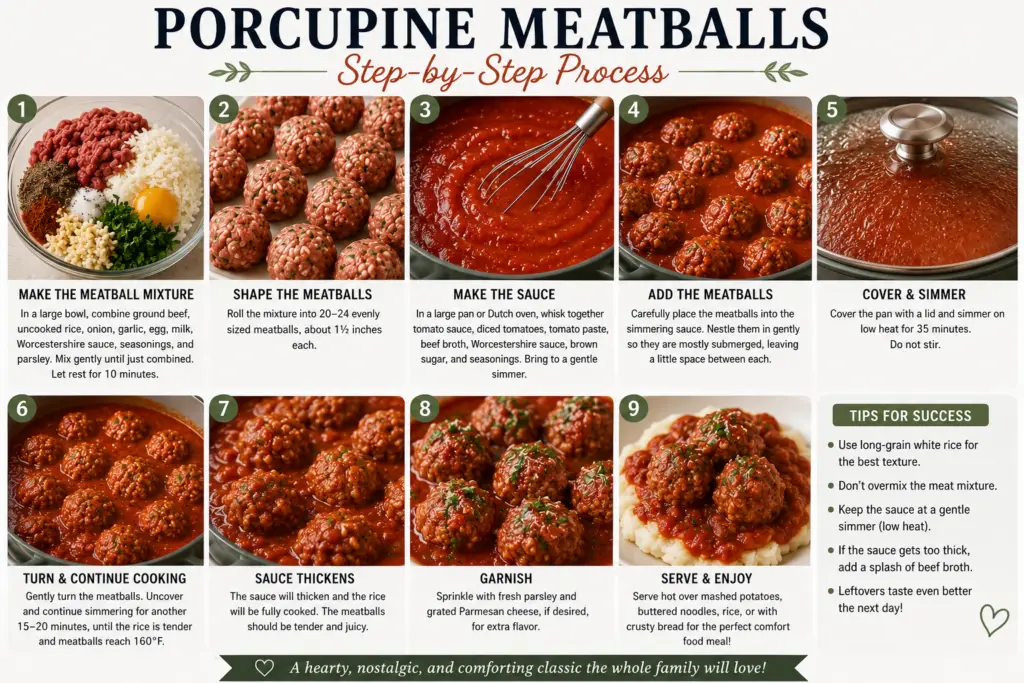
Step-by-step infographic showing how to make old-fashioned porcupine meatballs with ground beef, rice, and homemade tomato sauce from start to finish.

What Are Porcupine Meatballs?

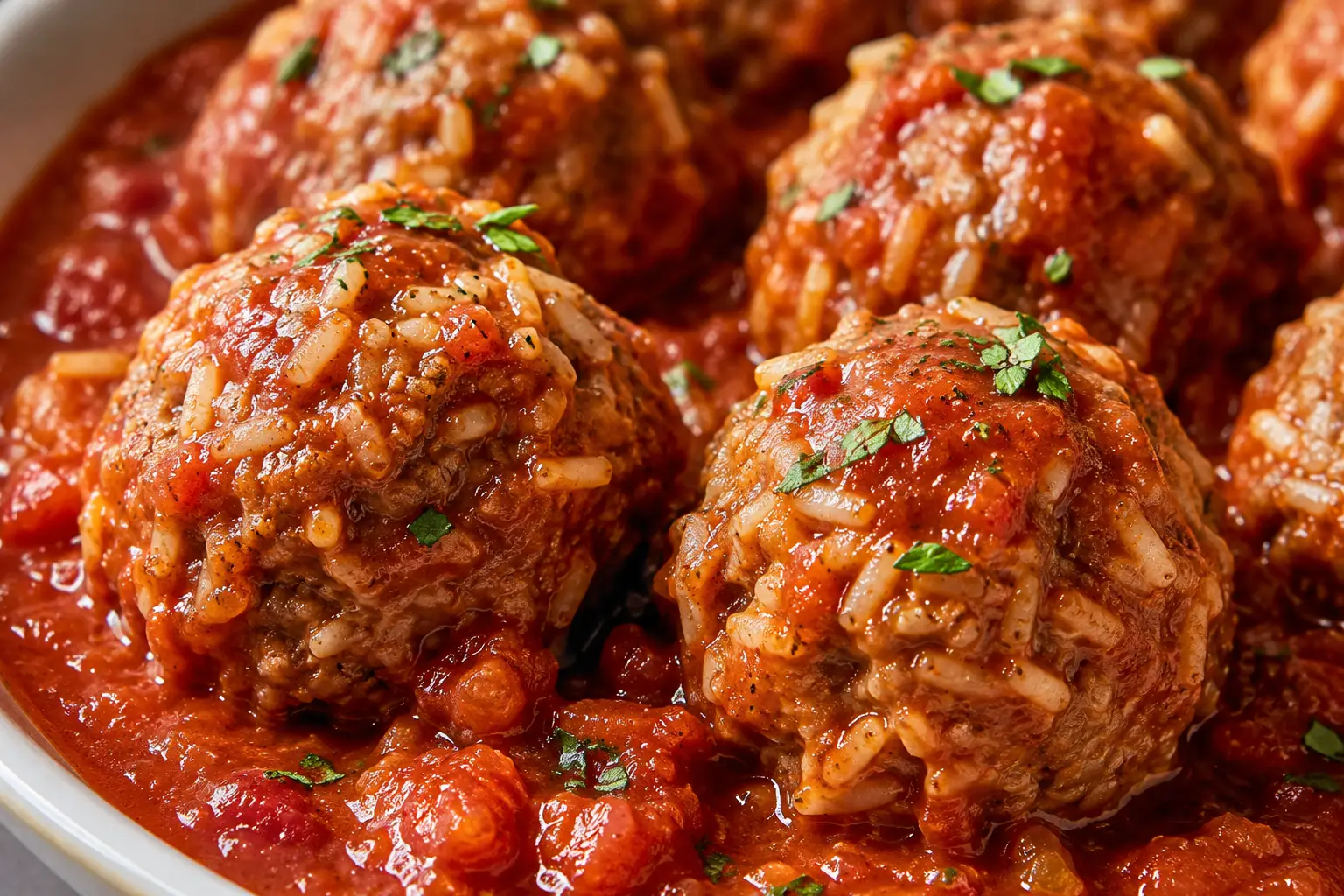
Despite their funny name, porcupine meatballs don’t contain anything unusual. They’re simply ground beef meatballs made with uncooked rice mixed directly into the meat. As the meatballs cook, the rice expands and sticks out from the surface, giving them the appearance of tiny porcupine quills.

This comforting recipe became popular during the 1930s and 1940s because rice stretched a small amount of ground beef into a hearty meal that could feed an entire family. Today, they’re just as beloved because they’re affordable, filling, and made with ingredients almost everyone already has in the pantry.

Traditional porcupine meatballs are simmered in tomato sauce, although some regional versions use condensed tomato soup or cream-based sauces. This homemade tomato sauce adds richer flavor without requiring extra work.

Why You’ll Love This Porcupine Meatball Recipe

This recipe has become my favorite version because every ingredient has a purpose, creating meatballs that stay tender while developing incredible flavor.

You’ll love this recipe because:

  • Extra juicy, tender meatballs
  • Rice cooks perfectly inside the meat
  • Rich homemade tomato sauce
  • One skillet meal
  • Budget-friendly ingredients
  • Easy enough for busy weeknights
  • Great for meal prep
  • Kid-friendly comfort food
  • Freezer friendly
  • Ready with simple pantry staples

It’s one of those recipes that tastes like it simmered all afternoon, even though most of the cooking time is completely hands-off.

Ingredients You’ll Need

For the Meatballs

  • Lean ground beef (85/15 works best)
  • Long grain white rice (uncooked)
  • Yellow onion
  • Garlic
  • Egg
  • Worcestershire sauce
  • Milk
  • Italian seasoning
  • Smoked paprika
  • Onion powder
  • Garlic powder
  • Kosher salt
  • Black pepper

For the Tomato Sauce

  • Tomato sauce
  • Diced tomatoes
  • Beef broth
  • Tomato paste
  • Brown sugar
  • Worcestershire sauce
  • Italian seasoning
  • Garlic powder
  • Onion powder
  • Crushed red pepper flakes (optional)
  • Fresh parsley

Best Ground Beef for Porcupine Meatballs

The best meatballs start with the right ground beef.

An 85/15 blend offers the perfect balance between flavor and tenderness. Leaner ground beef such as 90/10 can become dry during the long simmer, while fattier beef can release too much grease into the sauce.

If using very lean ground beef, adding a tablespoon of olive oil or an extra splash of milk helps keep the meatballs moist.

Ground chuck also works beautifully and creates exceptionally rich flavor.

The Secret to Tender Meatballs

The biggest mistake people make is packing the meatballs too tightly.

Mix everything together only until combined.

Overmixing develops the proteins in the meat, creating dense, chewy meatballs instead of light and tender ones.

Another trick is letting the mixture rest for about 10 minutes before rolling. This gives the uncooked rice time to absorb a little moisture, helping everything hold together during cooking.

Finally, simmer gently instead of boiling. A slow simmer cooks the rice evenly while keeping the meat juicy.

Ingredient Tips

Use Long Grain Rice

Regular long grain white rice gives the best texture.

Instant rice cooks too quickly and becomes mushy.

Brown rice requires a much longer cooking time and isn’t recommended unless additional liquid and simmer time are added.

Fresh Onion Adds Moisture

Finely grated onion almost melts into the meatballs while adding incredible moisture and flavor.

It’s worth the extra minute.

Tomato Paste Makes a Difference

A small amount of tomato paste deepens the tomato flavor while giving the sauce a richer texture that clings beautifully to every meatball.

Worcestershire Sauce

This pantry staple quietly adds savory depth without making the meatballs taste like steak sauce.

It’s one of the ingredients that makes people ask what your secret is.

Kitchen Equipment

You don’t need anything fancy.

  • Large mixing bowl
  • Measuring cups
  • Measuring spoons
  • Large skillet or Dutch oven
  • Wooden spoon
  • Cookie scoop (optional)
  • Instant-read thermometer

A large deep sauté pan also works wonderfully because the meatballs cook in a single layer while the sauce gently simmers around them.

Why Simmer Instead of Bake?

Both methods work, but simmering creates noticeably better porcupine meatballs.

Cooking directly in the sauce allows the rice to absorb flavorful liquid while keeping the meatballs incredibly moist.

The tomato sauce also thickens naturally as the rice releases starches, creating a silky sauce that’s perfect spooned over mashed potatoes, buttered noodles, or crusty bread.

Many classic family recipes have used this stovetop method for generations because it consistently delivers tender meatballs every time.

What to Serve with Porcupine Meatballs

Although they’re hearty enough on their own, porcupine meatballs pair beautifully with simple side dishes.

Some favorites include:

  • Creamy mashed potatoes
  • Buttered egg noodles
  • Steamed green beans
  • Roasted broccoli
  • Garlic bread
  • Dinner rolls
  • Simple green salad
  • Parmesan roasted carrots
  • Buttered sweet corn
  • Creamy mashed cauliflower

The extra tomato sauce is too good to leave behind, so don’t forget something to soak it up.

Variations

Once you’ve mastered the classic recipe, there are plenty of delicious ways to change things up.

Try adding shredded Parmesan to the meat mixture for extra richness.

Swap half the beef for ground pork for even more tender meatballs.

Add diced bell peppers to the sauce for extra vegetables.

Mix a pinch of crushed fennel seed into the meat for subtle Italian-inspired flavor.

For a little heat, stir red pepper flakes into the tomato sauce.

You can even sprinkle mozzarella cheese over the finished meatballs during the last few minutes of cooking for an easy cheesy version.

Expert Tips for the Best Porcupine Meatballs

Use Freshly Grated Onion

Grating the onion instead of chopping it allows it to melt into the meat mixture, adding moisture without leaving large onion pieces behind.

Don’t Skip the Rest Time

Allowing the mixture to rest for 10 minutes helps the rice hydrate slightly before cooking, creating meatballs that hold together beautifully.

Simmer Low and Slow

Avoid boiling.

A gentle simmer cooks the rice evenly while keeping the meat tender and juicy.

Resist Stirring

The meatballs are delicate during the first half of cooking.

Leave them undisturbed until they’ve had time to set.

Taste the Sauce at the End

Tomatoes vary in acidity.

If needed, stir in another teaspoon of brown sugar after simmering to perfectly balance the flavors.

Common Mistakes to Avoid

Using Instant Rice

Instant rice cooks much faster than regular long grain rice and often turns mushy.

Traditional long grain white rice produces the best texture.

Making Meatballs Too Large

Oversized meatballs require additional cooking time, which can overcook the outside before the rice finishes cooking.

Aim for about 1½-inch meatballs.

Cooking Over High Heat

Rapid boiling can cause the meatballs to break apart and toughen.

A slow simmer produces much better results.

Overmixing the Beef

Mix only until combined.

Too much mixing compresses the meat and creates dense meatballs.

Skipping the Lid

Covering the pan traps steam, allowing the rice to cook properly inside each meatball.

Variations

One of the reasons porcupine meatballs have remained popular for generations is how easy they are to customize.

Italian Style

Add:

  • ½ cup grated Parmesan
  • Extra garlic
  • Fresh basil
  • Mozzarella melted over the top

Mushroom Version

Sauté 8 ounces sliced mushrooms before adding the sauce for an earthy, comforting twist.

Southwest Style

Season the meat mixture with:

  • Chili powder
  • Ground cumin
  • Smoked paprika

Top with shredded cheddar and fresh cilantro.

Hidden Vegetable Version

Finely grate zucchini or carrots directly into the meat mixture for added moisture and vegetables that even picky eaters won’t notice.

Ground Turkey Version

Ground turkey works well, though it benefits from adding 1 tablespoon olive oil to keep the meatballs moist.

Make-Ahead Instructions

Porcupine meatballs are an excellent make-ahead dinner.

Prepare the meatballs up to one day in advance and refrigerate them tightly covered.

When ready to cook, simply prepare the tomato sauce and continue with the recipe.

You can also make the sauce ahead of time and refrigerate it separately until dinner.

Storage

Store leftovers in an airtight container in the refrigerator for up to 4 days.

The flavors become even richer overnight, making leftovers one of the best parts of this recipe.

Freezing

Porcupine meatballs freeze beautifully.

Allow them to cool completely before transferring them, along with the sauce, to freezer-safe containers or freezer bags.

Freeze for up to 3 months.

Thaw overnight in the refrigerator before reheating.

Reheating

Stovetop

Place the meatballs and sauce in a covered skillet over medium-low heat for about 15 minutes, stirring the sauce occasionally.

Add a splash of beef broth or water if needed.

Microwave

Heat individual portions in 45-second intervals until warmed through.

Oven

Place in a covered baking dish and bake at 325°F for 20 to 25 minutes.

What to Serve with Porcupine Meatballs

These comforting meatballs pair wonderfully with:

  • Creamy mashed potatoes
  • Buttered egg noodles
  • Garlic mashed cauliflower
  • Roasted green beans
  • Honey-glazed carrots
  • Sweet corn
  • Homemade dinner rolls
  • Garlic bread
  • Caesar salad
  • Steamed broccoli
  • Buttered peas
  • Parmesan roasted Brussels sprouts

Caraway Makes This Recipe Even Easier

One of my favorite ways to cook porcupine meatballs is in my Caraway Sauté Pan (click here for a generous discount applied at checkout!). The generous depth gives the meatballs plenty of room to simmer in the tomato sauce without overcrowding, while the naturally slick ceramic coating helps prevent sticking and makes cleanup incredibly easy. Since the pan transitions beautifully from stovetop to oven, it’s perfect if you want to finish the meatballs with a sprinkle of melted mozzarella or Parmesan under the broiler. It’s the kind of cookware that makes cozy, one-pan family dinners feel effortless.

Why I Keep My Freezer Stocked with ButcherBox

Quality beef makes a noticeable difference in recipes like porcupine meatballs, where the meat is the star of the dish. That’s why I love keeping my freezer stocked with ButcherBox. I customize my box every eight weeks with the cuts my family actually uses, and it averages out to about $22 per week for high-quality meat delivered right to my door. Having premium ground beef on hand means comforting dinners like this are always within reach, even on the busiest weeknights. It takes the guesswork out of meal planning and keeps freezer staples ready whenever inspiration strikes.

More Cozy Ground Beef Recipes You’ll Love

If you’re looking for more hearty, family-friendly dinners, be sure to try these reader favorites:

Each recipe is simple, satisfying, and perfect for busy weeknights when you need a comforting meal everyone will love.

 

Frequently Asked Questions

What are porcupine meatballs?

Porcupine meatballs are classic meatballs made with ground beef and uncooked rice. As the rice cooks, it sticks out of the meatballs, giving them their signature “porcupine” appearance.

Why are they called porcupine meatballs?

The rice expands during cooking and pokes through the meatballs, resembling porcupine quills.

Do you cook the rice before making porcupine meatballs?

No. Traditional porcupine meatballs are made with uncooked long-grain white rice that cooks while simmering in the tomato sauce.

What is the best rice to use for porcupine meatballs?

Long-grain white rice is the best choice because it cooks evenly and maintains its texture.

Can I use instant rice?

It’s not recommended. Instant rice cooks too quickly and can become mushy.

Can I use brown rice?

Yes, but brown rice requires additional liquid and a longer cooking time to become tender.

Why is my rice still crunchy?

Crunchy rice usually means the meatballs need more simmering time or additional liquid. Keep the sauce at a gentle simmer until the rice is fully cooked.

How long do porcupine meatballs take to cook?

Most porcupine meatballs are fully cooked after about 50 to 60 minutes of gentle simmering.

Should porcupine meatballs be covered while cooking?

Yes. Covering the pan traps steam, helping the rice cook evenly inside the meatballs.

Can I bake porcupine meatballs?

Yes! They can be baked in a covered casserole dish with tomato sauce until the rice is tender and the meat reaches 160°F.

Can I make porcupine meatballs in a slow cooker?

Absolutely. Cook them on LOW for 6 to 7 hours or HIGH for 3 to 4 hours.

What ground beef is best for porcupine meatballs?

An 85/15 blend offers the perfect balance of flavor and tenderness.

Can I use ground turkey instead?

Yes. Ground turkey works well, although adding a little olive oil helps keep the meatballs moist.

Can I mix beef and pork?

Definitely. A combination of ground beef and pork creates extra juicy, flavorful meatballs.

What sauce goes with porcupine meatballs?

A homemade tomato sauce made with tomato sauce, diced tomatoes, tomato paste, beef broth, and seasonings is the most popular choice.

Can I use tomato soup instead of tomato sauce?

Yes. Many vintage recipes use condensed tomato soup, although homemade tomato sauce offers a richer flavor.

Why are my porcupine meatballs falling apart?

This can happen if the mixture wasn’t rested, the meatballs were overhandled, or they were stirred too early during cooking.

Why are my meatballs dry?

Dry meatballs are usually caused by using very lean ground beef or overmixing the meat mixture.

How do I make tender porcupine meatballs?

Mix the ingredients gently, use 85/15 ground beef, allow the mixture to rest before rolling, and simmer over low heat.

How do I know when porcupine meatballs are done?

The meatballs are done when the rice is tender and the internal temperature reaches 160°F.

Can I make porcupine meatballs ahead of time?

Yes. You can prepare the meatballs up to a day ahead and refrigerate them until ready to cook.

Can I freeze porcupine meatballs?

Yes. Freeze the cooked meatballs and sauce in airtight containers for up to 3 months.

How long do leftovers last?

Store leftovers in the refrigerator for up to 4 days in an airtight container.

What’s the best way to reheat porcupine meatballs?

Reheat them gently on the stovetop over medium-low heat or in the microwave until warmed through.

What should I serve with porcupine meatballs?

Mashed potatoes, buttered egg noodles, rice, garlic bread, roasted vegetables, or a crisp green salad are all delicious options.

Can I add cheese to porcupine meatballs?

Yes! Parmesan can be mixed into the meatballs, and mozzarella makes a delicious melted topping.

Are porcupine meatballs gluten-free?

They can be. Use a certified gluten-free Worcestershire sauce and double-check all packaged ingredients.

Can I make dairy-free porcupine meatballs?

Yes. Replace the milk with an unsweetened dairy-free alternative such as oat or almond milk.

Why did my sauce get too thick?

The rice naturally absorbs liquid as it cooks. Stir in a little beef broth or water to thin the sauce if needed.

Can kids eat porcupine meatballs?

Absolutely. Their mild flavor, tender texture, and comforting tomato sauce make them a family favorite that’s perfect for both kids and adults.

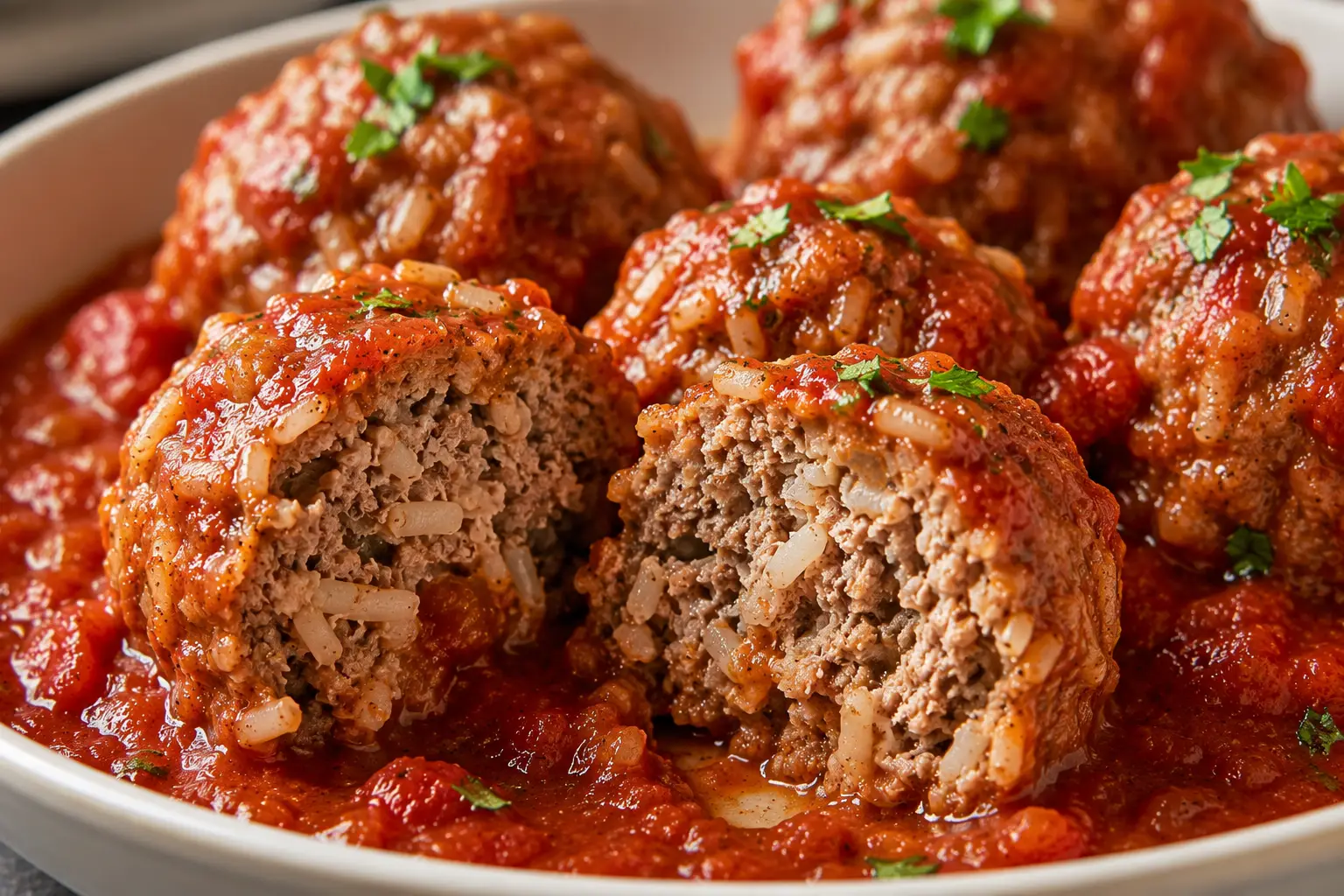
Close-up of old-fashioned porcupine meatballs made with ground beef and rice simmered in a rich homemade tomato sauce and garnished with fresh parsley.

Best Old-Fashioned Porcupine Meatballs (Easy Ground Beef & Rice Recipe)

These Old-Fashioned Porcupine Meatballs are a comforting classic made with juicy ground beef, uncooked long-grain rice, and simple pantry seasonings, all simmered in a rich homemade tomato sauce until perfectly tender. This easy one-pan dinner is hearty, budget-friendly, freezer-friendly, and perfect for busy weeknights or cozy family meals. Serve these nostalgic porcupine meatballs over mashed potatoes, egg noodles, or with crusty bread for a timeless comfort food recipe everyone will love.
Prep Time 20 minutes
Cook Time 55 minutes
1 hour 15 minutes
Course Main Course
Servings 24 meatballs (6 servings)
Calories 472 kcal

Ingredients
  

For The Meatballs

  • 1½ lbs ground beef (85/15)
  • ¾ cup uncooked long-grain white rice
  • ½ cup medium yellow onion finely grated
  • 3 cloves garlic minced
  • 1 large egg
  • ¼ cup whole milk
  • 1 tbsp Worcestershire sauce
  • 1 tsp Italian seasoning
  • 1 tsp salt
  • ½ tsp ground black pepper
  • ½ tsp onion powder
  • ½ tsp garlic powder
  • ½ tsp smoked paprika
  • 2 tbsp fresh parsley chopped

For The Sauce

  • 2 15-oz cans tomato sauce
  • 1 14.5-oz can petite diced tomatoes
  • 2 tbsp tomato paste
  • 1 cup low-sodium beef broth
  • 1 tbsp Worcestershire sauce
  • 1 tbsp dark brown sugar or light brown sugar
  • 1 tsp Italian seasoning
  • ½ tsp garlic powder
  • ½ tsp onion powder
  • ½ tsp salt
  • ¼ tsp ground black pepper
  • pinch crushed red pepper flakes optional

Optional Garnish

  • fresh parsley
  • freshly grated Parmesan cheese

Instructions
 

  • In a large bowl, gently combine all of the meatball ingredients until just mixed. Let the mixture rest for 10 minutes.
  • Roll into 20–24 meatballs, about 1½ inches in diameter.
  • In a large Dutch oven or deep sauté pan, whisk together all of the sauce ingredients and bring to a gentle simmer.
  • Carefully place the meatballs into the sauce in a single layer.
  • Cover and simmer over low heat for 35 minutes.
  • Remove the lid, gently turn the meatballs, and continue simmering uncovered for 15–20 minutes, or until the rice is tender and the meatballs reach 160°F.
  • Garnish with parsley and Parmesan cheese, if desired.
  • You can also use any cheese, mozzarella is best, and then slide into the oven and broil for 2-3 minutes until the cheese is warm and bubbly. Make sure and use a stovetop-to-oven skillet like my Caraway cookware!
  • Serve over mashed potatoes, egg noodles, rice, or with warm crusty bread.

Notes

Notes

  • Long-grain white rice produces the best texture.
  • Avoid instant rice, which becomes mushy.
  • Don't overmix the meat or the meatballs may become tough.
  • Allow the mixture to rest before rolling for the most tender results.
  • If your sauce thickens too much, add a splash of beef broth during cooking.
  • Leftovers taste even better the next day.
  • Freeze cooked meatballs and sauce for up to 3 months.

Nutritional Information

Serving Size: Approximately 4 meatballs with sauce
Nutrient Amount
Calories 472 kcal
Protein 31 g
Carbohydrates 26 g
Fat 26 g
Saturated Fat 9 g
Unsaturated Fat 14 g
Trans Fat 1 g
Cholesterol 116 mg
Fiber 4 g
Sugar 9 g
Sodium 910 mg
Potassium 985 mg
Iron 4.7 mg
Calcium 88 mg
Vitamin A 820 IU
Vitamin C 16 mg
Nutrition is an estimate and will vary depending on the specific ingredients and brands used.
Picture of Stacie

Stacie

Hello out there! My name is Stacie. I am a home baker whose guilty pleasure is home made food and desserts. My blog is for the non-pro, home-baker/home-cook, experienced baker/cook, lover of desserts, and the desire to create delicious food right from home.
Nothing is better than a homemade meal or dessert made from scratch, except the reward when the whole dish is devoured by your guests. Questions, comments, idea are all welcomed as we grow together!

Most LATEST Recipe

Crockpot Party Meatballs (Slow Cooker Grape Jelly Meatballs)

Close-up of homemade Swedish meatballs smothered in rich, creamy brown gravy and garnished with fresh parsley in a skillet.

Swedish Meatballs Recipe (Classic Homemade with Creamy Gravy)

Split homemade banana muffin showing a soft, moist interior with tender banana pieces and a fluffy crumb.

The Best Banana Muffin Recipe (Bakery-Style, Moist & Easy)

Close-up of a rustic slice of homemade lemon layer cake with lemon cream cheese frosting on a white plate, showing a soft, moist crumb and fresh lemon garnish.

Homemade Lemon Cake

Close-up of homemade cream cheese frosting swirled into soft peaks inside a clear glass bowl, showcasing its thick, smooth, creamy texture and glossy finish.

Cream Cheese Frosting Recipe

A warm slice of homemade pecan pie served in a rustic shallow ceramic bowl topped with a scoop of melting vanilla ice cream.

Homemade Pecan Pie Recipe