Different soy sauces are not interchangeable in serious cooking. Light Chinese soy sauce (the everyday cooking sauce) is thin, salty, slightly sweet, and goes in most stir-fries and marinades. Dark Chinese soy sauce is thicker, less salty, and used for color in dishes like red-braised pork; a teaspoon is usually enough. Japanese shoyu sits between the two with balanced salt and some sweetness. Tamari is the gluten-free Japanese version, slightly thicker and less salty than shoyu. Korean ganjang ranges from light (guk-ganjang) for soups to thicker fermented versions for marinades. For most American recipes calling for “soy sauce,” light Chinese or low-sodium versions work fine.
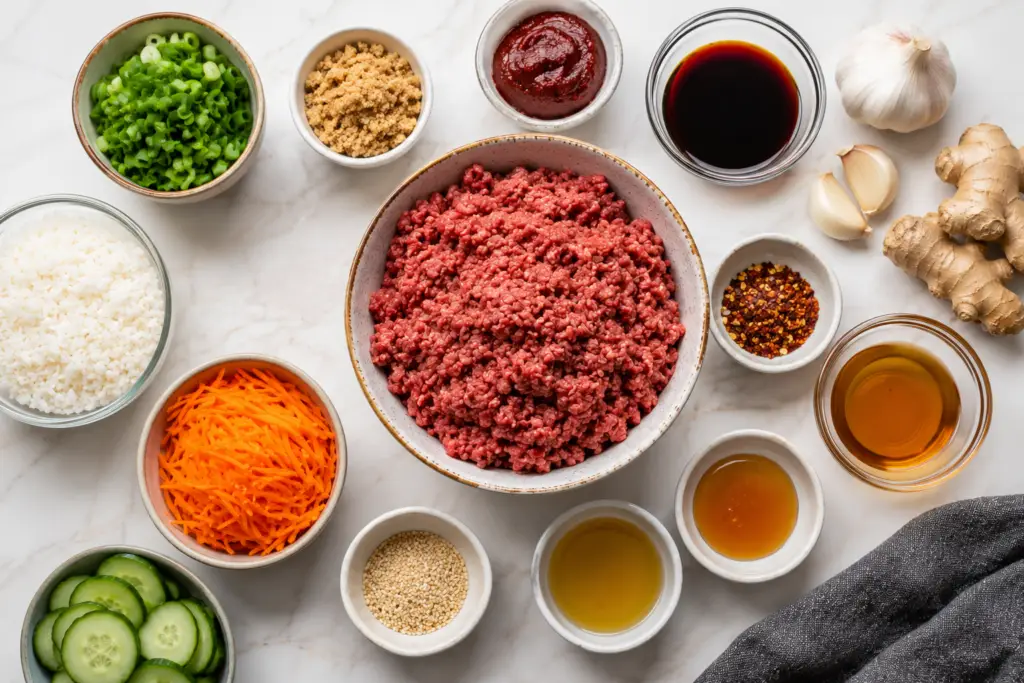
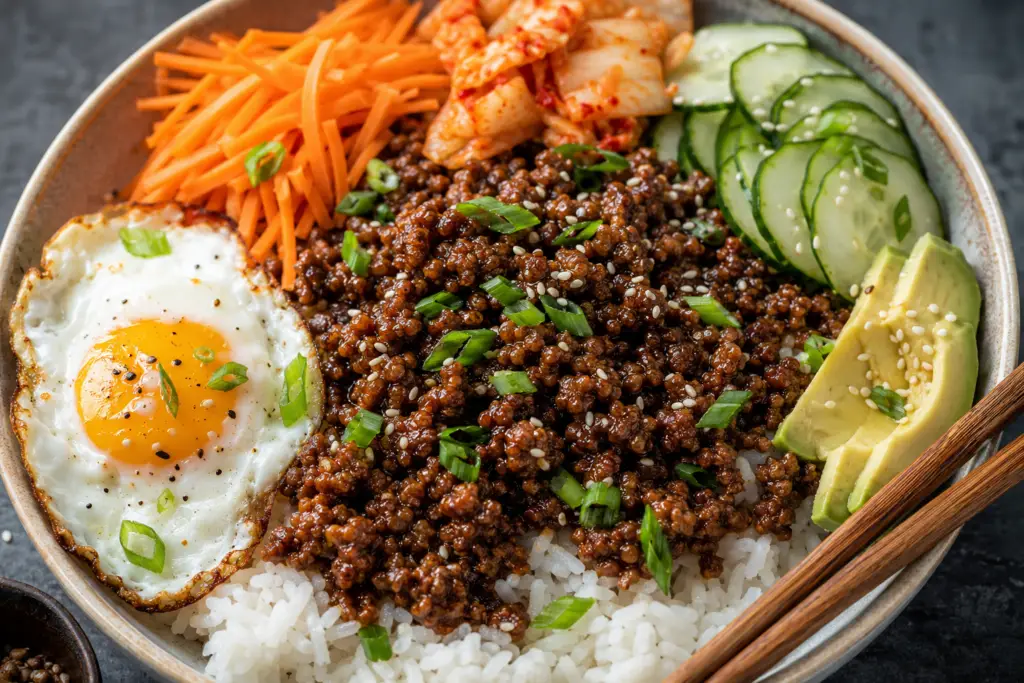
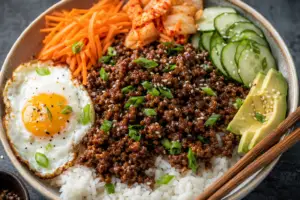
For marinades, soy sauce + garlic + ginger + sugar is the foundational Asian marinade and the base for both Korean Ground Beef Bowl and the bulgogi-style sauces it draws from. The standard ratio is 1/4 cup soy sauce, 2 tablespoons brown sugar, 4 cloves garlic minced, 1 tablespoon grated ginger per pound of protein. Marinate 2-12 hours for chicken or beef, 30 minutes is enough for fish and tofu. Adding sesame oil at the end provides the toasted-nut depth that pure soy-and-garlic cannot deliver on its own.
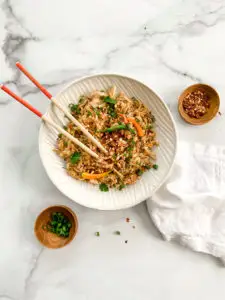
For stir-fries like Vegan Spicy Stir Fry with Rice, soy sauce goes in toward the end of the cook after the proteins and vegetables are mostly done, so the salt seasons rather than burns. Adding it too early concentrates the salt as the liquid evaporates and produces over-salty results. The standard quick stir-fry sauce is 2 tablespoons soy sauce, 1 tablespoon oyster sauce, 1 teaspoon sesame oil, 1 teaspoon cornstarch slurry, and 2 tablespoons water, enough for 4 servings. For PF Chang’s Chicken Lettuce Wraps and similar copycat preparations, the sauce ratio shifts toward sweeter, with more hoisin and a touch of rice vinegar layered into the soy base.
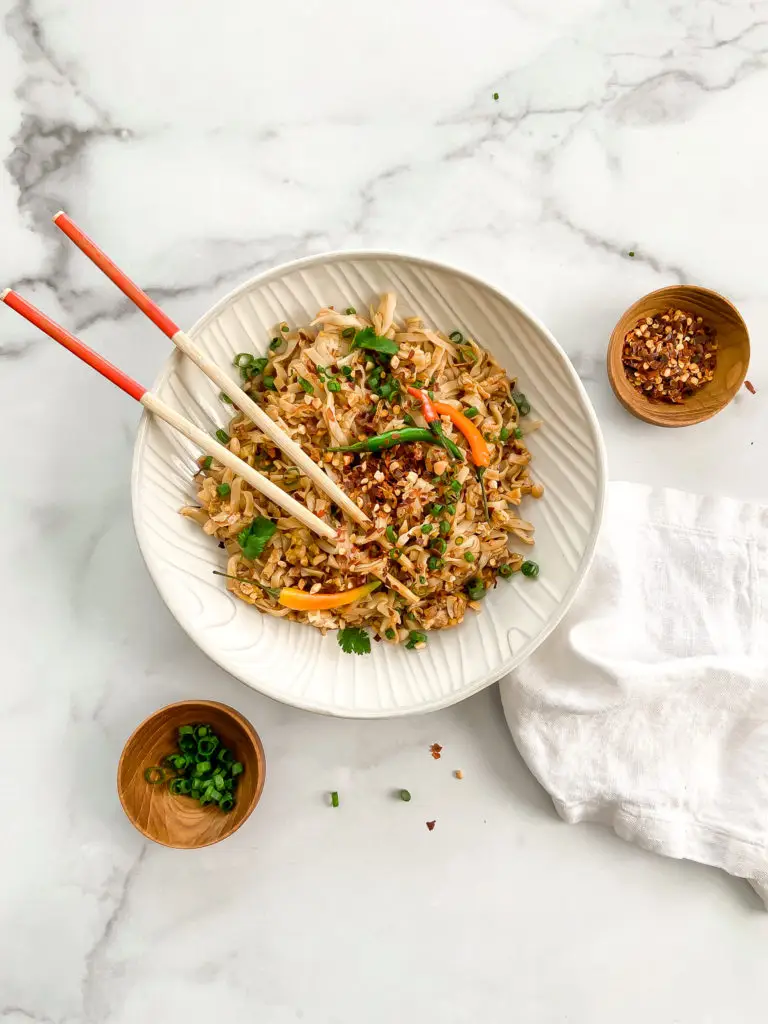
For Thai applications like Easy Pad Thai Noodles, soy sauce works alongside fish sauce, tamarind paste, and palm sugar rather than as the dominant flavor. Thai cooking treats soy as one of three or four salty ingredients that balance the sweet, sour, and spicy elements. Substituting soy sauce for fish sauce loses the seafood-umami note that defines authentic Thai dishes; using both gives the most layered flavor profile.
For dipping sauces and finishing applications, mixing soy sauce with rice vinegar, sesame seeds, and chopped scallions creates a versatile dipping sauce for dumplings, spring rolls, and pot stickers. The standard ratio is 3 tablespoons soy sauce, 1 tablespoon rice vinegar, 1 teaspoon sesame oil, 1 teaspoon sesame seeds, and 1 chopped scallion. Keeps 2 weeks refrigerated in a sealed jar. For a spicy variation, add 1-2 teaspoons chili oil or a small spoonful of chili garlic sauce.
For storage, opened soy sauce keeps 1-2 years refrigerated; the high salt content makes it shelf-stable. The flavor degrades slightly over months as the volatile aromatic compounds break down, fresh soy sauce is noticeably brighter than year-old bottles. Low-sodium versions spoil faster and should be used within 6 months of opening. Soy sauce kept at room temperature in a cool pantry keeps 3-6 months but loses depth faster than refrigerated bottles. Browse garlic, sesame oil, and salt for closely related cooking applications.