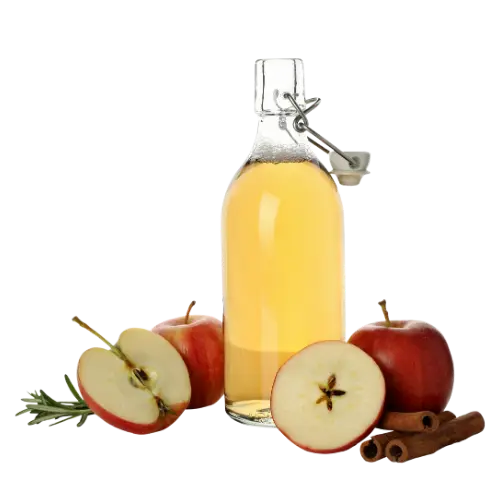
Apple cider vinegar and white vinegar are not interchangeable. White vinegar is sharp, sour, and one-dimensional. ACV is fruity, slightly sweet, and complex. For pickling and cleaning, white vinegar is the right choice because the neutral flavor does not compete. For dressings, marinades, and any culinary application, ACV brings flavor depth that white vinegar cannot replicate. The substitution is roughly 1:1 by volume but produces noticeably different results. The same flavor-depth argument applies to baking soda reactions, where ACV produces a slightly more rounded leavening compared to lemon juice or white vinegar.
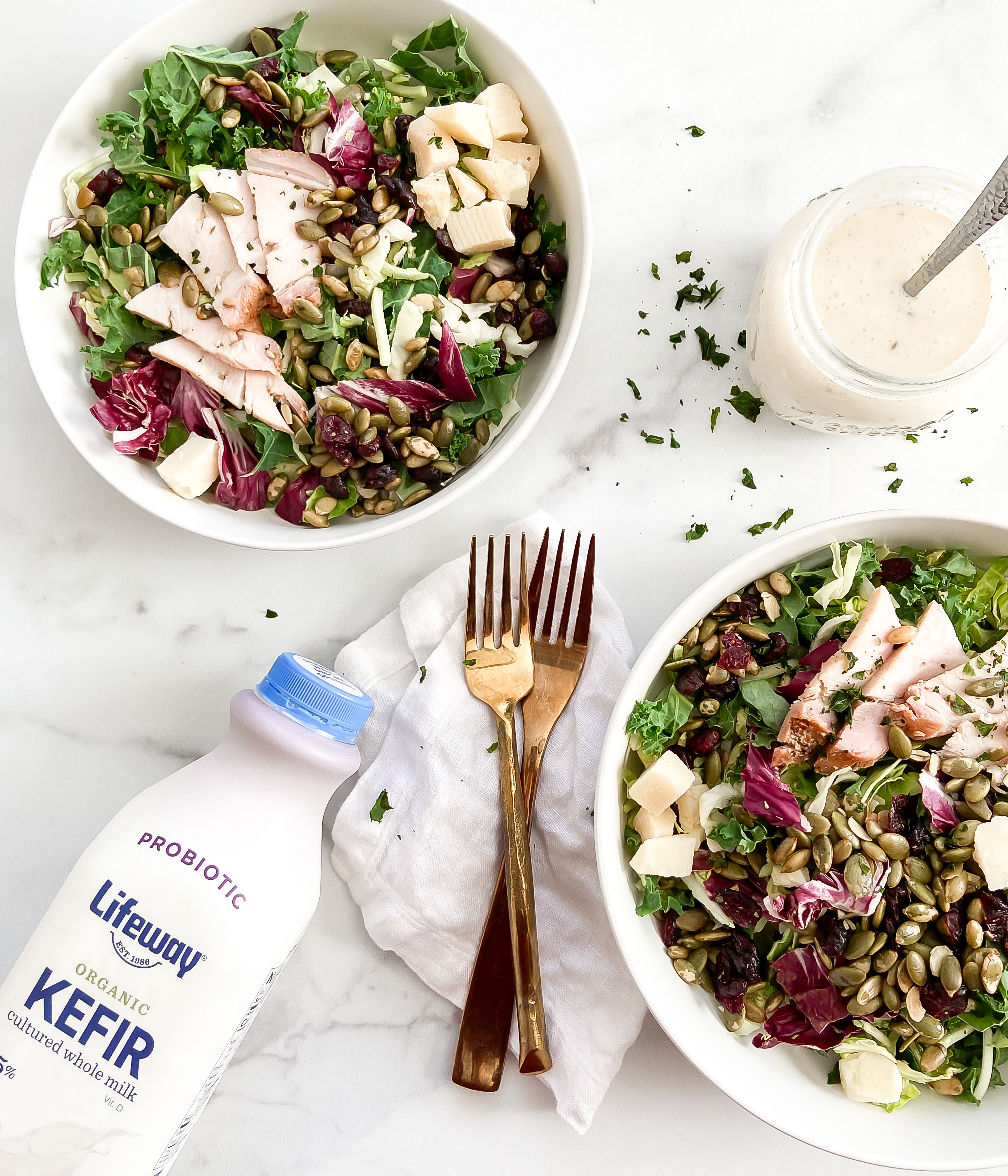
For salad dressings and vinaigrettes, ACV is the right acid in 60-70% of recipes where the acid needs to bring both brightness and depth. The standard vinaigrette ratio is 1 part ACV to 3 parts oil, plus salt, pepper, and a sweetener (honey, maple syrup, or sugar) to balance. The sweetener is non-negotiable with ACV because the vinegar’s natural fruit acid can read sharp without something to soften it. Stirring in Dijon mustard acts as both emulsifier and flavor anchor in classic vinaigrettes.
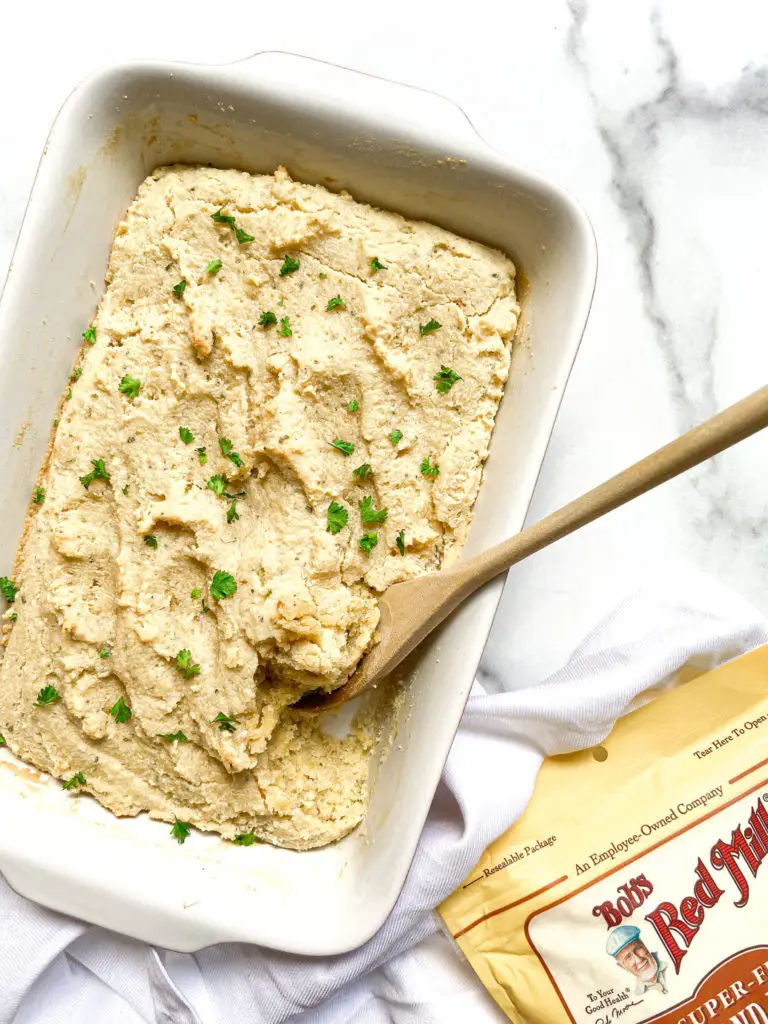
For baking, ACV serves two functions. As a buttermilk substitute (1 tablespoon ACV plus 1 cup milk, left to sit 5 minutes), it provides the acid needed for baking soda-leavened recipes. As a direct ingredient, it adds acid that activates leaveners and tenderizes batters. The flavor disappears completely during baking, leaving only the structural effects. Cornbread Dressing uses ACV in the moistening liquid where the acid brightens the savory base alongside the kefir that adds tang and protein.
For the “drinking ACV” trend (a tablespoon of ACV in warm water, sometimes with honey), the practice has some evidence for blood sugar effects but no strong evidence for the broader claims (weight loss, detox, etc.). The acid is also hard on tooth enamel, so the recommendation is to dilute heavily, drink through a straw if possible, and rinse with water after. For pure cooking applications, the question of “drinking ACV” benefits is moot. The small amounts used in dressings and baking deliver the flavor without dose-related concerns. Storage is straightforward: a sealed bottle in a cool dark spot keeps for 2-3 years, and pairing the vinegar with paprika in marinades amplifies the warmth without overpowering the acid. Look to lemon juice and honey for adjacent applications in the site’s recipe library.