Dijon mustard, yellow American mustard, and whole-grain mustard are not interchangeable in serious cooking. Dijon is sharp, clean, and slightly tangy. Yellow American mustard is mild, slightly sweet, and slightly sour. Whole-grain mustard has visible seeds and a more textured flavor. For French-style cooking, vinaigrettes, and any application where the mustard provides emulsification, Dijon wins.
The emulsification property is what makes Dijon mustard essential in vinaigrettes. The mustard contains compounds that help oil and vinegar mix into a stable emulsion, without it, a vinaigrette will separate within minutes. The standard ratio is 1 tablespoon Dijon mustard per 1/4 cup vinegar per 3/4 cup oil. Whisk vigorously or shake in a jar; the emulsion holds for hours.
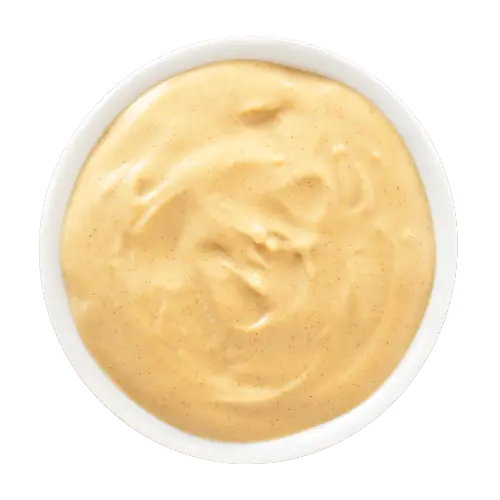
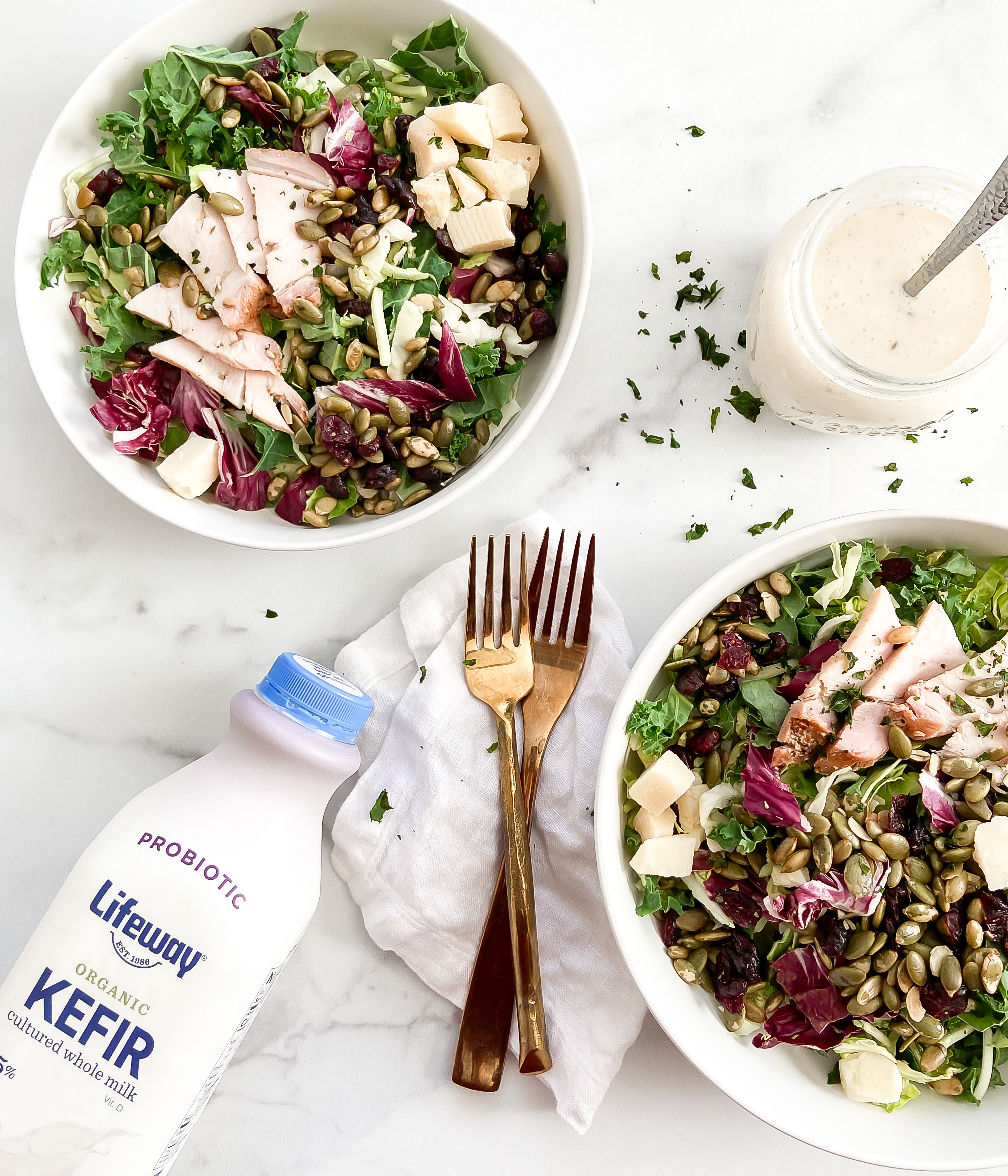
For honey mustard dressing (the American classic), the standard ratio is 1/4 cup Dijon, 1/4 cup honey, 2 tablespoons apple cider vinegar, 1/2 cup mayonnaise, salt and pepper. Whisk together. Use on salads, as a dip for pretzels, or as a sandwich spread. The pairing of Dijon’s sharpness with honey’s sweetness is one of the most popular dressing combinations in American cooking.
For marinades, Dijon mustard provides acid AND emulsification properties. The standard chicken marinade is 2 tablespoons Dijon, 1/4 cup olive oil, juice of 1 lemon, 4 cloves garlic minced, 1 tablespoon fresh herbs, salt and pepper. Marinate 2-4 hours. The mustard helps the marinade cling to the protein rather than sliding off. For storage, opened Dijon keeps 1 year refrigerated. The color may darken slightly over time but the flavor stays intact. Other reader picks that build on Dijon mustard include Roasted Red Pepper and Cilantro Dressing and Cornbread Dressing. Browse honey, garlic, and salt for closely related cooking applications.