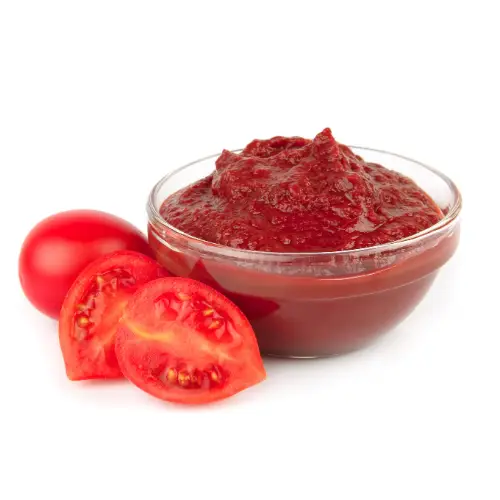
Tomato paste needs to be cooked, not just stirred in. The blooming technique , adding tomato paste to hot paprika-and-oil at the start of a cook, then toasting it for 2-3 minutes before liquid goes in , caramelizes the natural sugars and transforms the paste from sharp and acidic to deep and rich. Skipping this step leaves the paste tasting raw and metallic, which is why home tomato sauces often disappoint compared to restaurant versions. The same blooming technique applies to harissa, gochujang, and most concentrated paste-style ingredients.
The tube versus can question matters. Tube tomato paste (the imported Italian double-concentrate, usually 4.5 oz tubes) is roughly twice as concentrated as standard can paste. Using the tube format means halving the quantity called for in most recipes. The flavor is also noticeably deeper. For occasional cooking where you only need a tablespoon at a time, the tube is the right choice , it lasts 6 months in the fridge after opening, whereas the can has to be portioned and frozen. Freezing leftover can paste in tablespoon portions on parchment-lined trays preserves it for 3+ months. The Best Slow Cooker Goulash uses tomato paste bloomed at the start of the cook before the meat and onions go in, which is what builds the Hungarian-style depth that distinguishes the dish from American-style goulash.
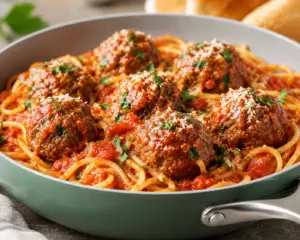
For sauce-building, tomato paste is the foundation under which everything else gets layered. The standard pasta sauce architecture is: olive oil → garlic and aromatics → tomato paste bloom → wine deglaze → canned tomatoes → simmer with oregano and salt. Each layer contributes to the final flavor, with the tomato paste bloom being the step most home cooks skip. The Best Ground Beef Chili follows this architecture exactly, with the bloomed paste contributing the deep red color and umami depth that distinguishes a serious chili from a thin one.
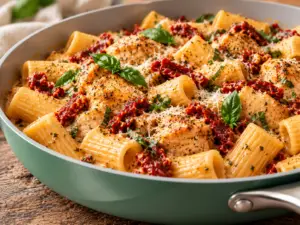
For brightening and balancing, tomato paste in small amounts (a teaspoon or two) deepens any savory dish without making it taste like tomato. Bean soups, beef stews, and braises all benefit from a small addition early in the cook. The same trick works in basil-forward Italian dishes where a small paste addition early adds umami depth that the fresh basil at the end could not provide on its own. The pasta-water trick (reserving 1/2 cup pasta cooking water to mount the finished sauce) works particularly well with paste-based sauces, where the starchy water binds the oil-and-paste into a cohesive coating.