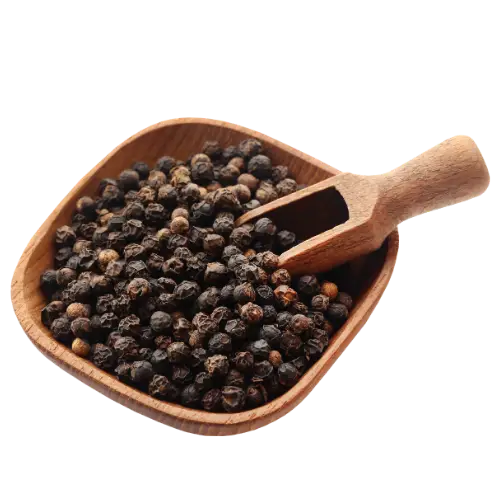
Black pepper is the second most common spice in the world after salt, and the two work together so often that most cooks reach for them simultaneously. But they are doing different things. Salt amplifies flavor by suppressing bitterness and enhancing what is already in the ingredient. Black pepper adds a distinct flavor compound – piperine – that creates mild heat and a floral, slightly woodsy note that does not come from any other spice. The combination of both is not just habit; it is a genuinely different flavor profile than either one alone.
Freshly ground black pepper is meaningfully better than pre-ground in most applications. Whole peppercorns hold their volatile oils intact until cracked. Pre-ground pepper loses those oils within weeks of grinding, which is why the black pepper that has been sitting open on a spice rack for two years tastes flat and dusty rather than bright and sharp. A cheap pepper grinder is one of the higher-return kitchen purchases for home cooks who use it regularly. The Best Homemade Sloppy Joe and The Best Sheperds Pie both call for black pepper at stages where the flavor matters enough that fresh-ground makes a visible difference in the finished dish.
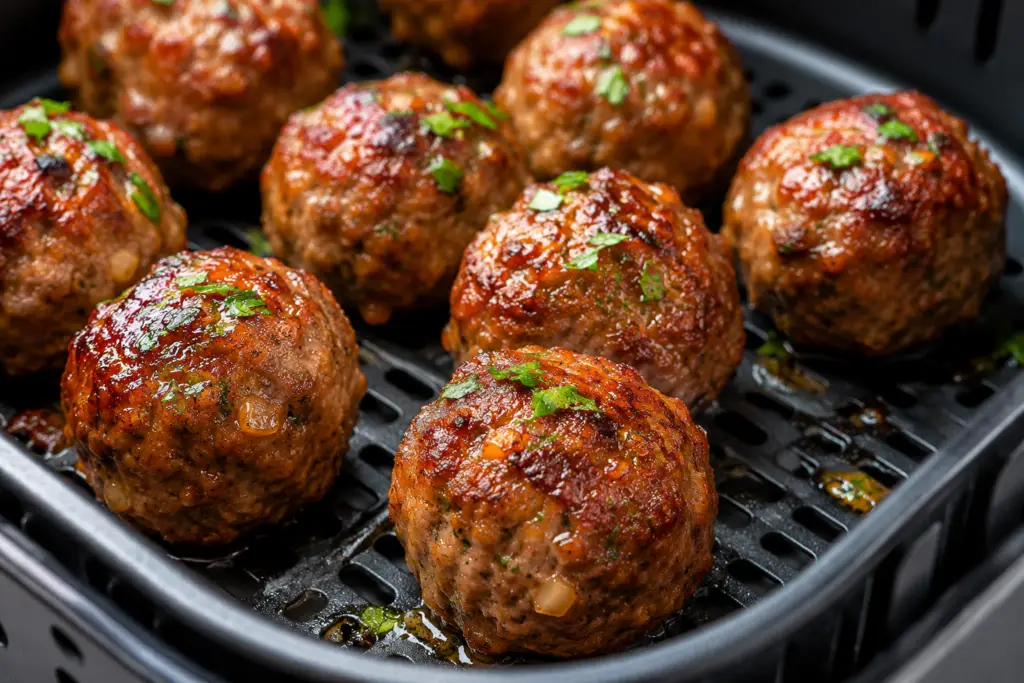
In ground beef cooking, black pepper is added in two phases. The first hit goes in with garlic and olive oil as the aromatic base before the meat is browned – it blooms in the fat and disperses evenly. The second comes at the end, just before serving, to freshen the pepper note that mellows during the cook. The Best Ground Beef Meatballs use this two-stage approach: pepper in the meat mixture for depth, a few grinds over the finished plate for brightness. Both additions taste like the same ingredient but accomplish different things.
For soups and braises, black pepper holds up to long cooking better than most other spices. Baked Ziti with Ground Beef and Homemade Hamburger Helper both go through extended oven or stovetop time, and the black pepper survives it without turning bitter or disappearing. Compare that to delicate herbs like basil, which lose their flavor within the first few minutes of heat. Black pepper belongs in the pot early. Basil goes on top at the end. The same logic applies to nearly every savory recipe in this collection.