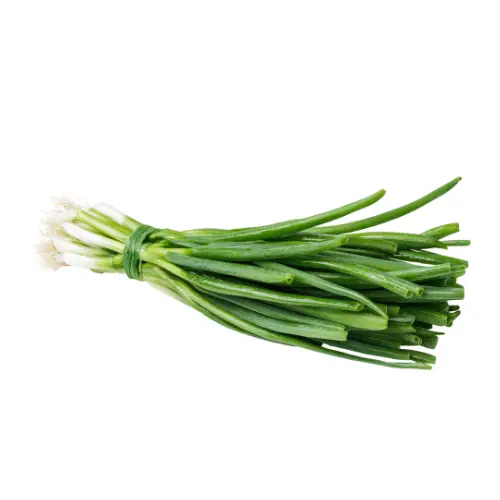
Green onions, scallions, and spring onions are often used interchangeably in American recipes but technically differ. Scallions are the thin, young alliums with no bulb development. Green onions may have a slightly more developed bulb. Spring onions are harvested from bulbing onion varieties before the bulb fully forms and have a stronger flavor. For most recipes on this site, the terms are functionally the same ingredient. The white part has more bite and suits cooked applications; the green part is best as a raw garnish or a last-minute addition that wilts quickly in heat.
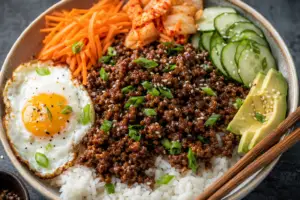
For stir-fries and Asian applications, add the white parts of green onions with the aromatics at the beginning of the cook (along with garlic and ginger) and reserve the green parts to scatter over the finished dish. The Korean Ground Beef Bowl uses this exact split technique: the white parts go into the beef saute early, and the sliced green tops are scattered over the finished bowl alongside sesame seeds and a drizzle of sesame oil, adding color contrast and a mild sharp note. Pairing with soy sauce and sesame oil in the sauce connects the fresh green onion flavor to the broader Asian flavor profile of the dish.
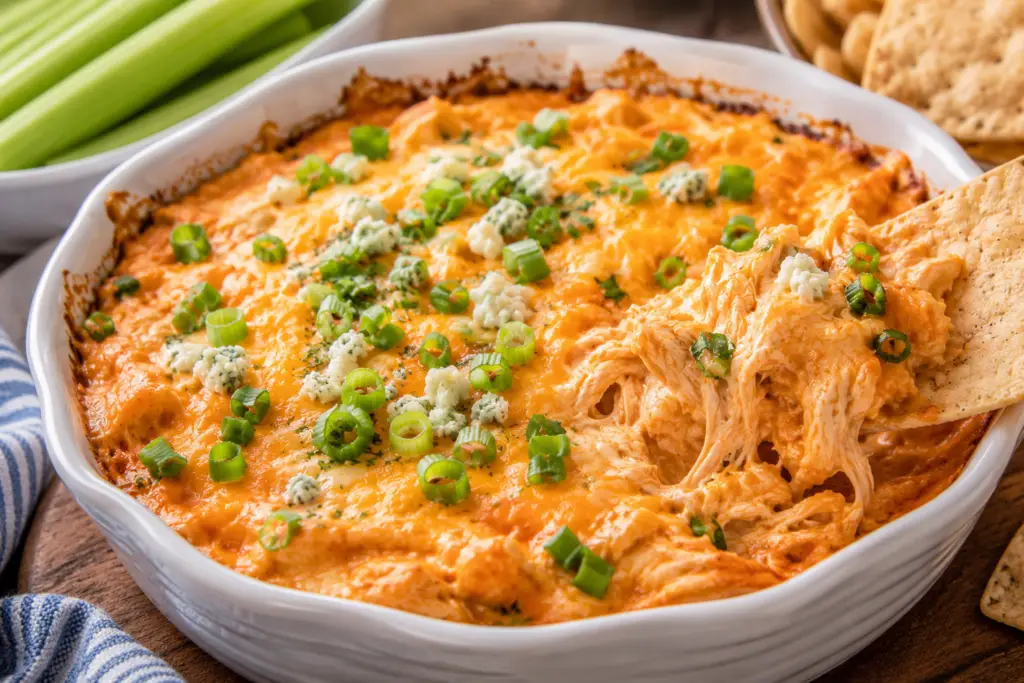
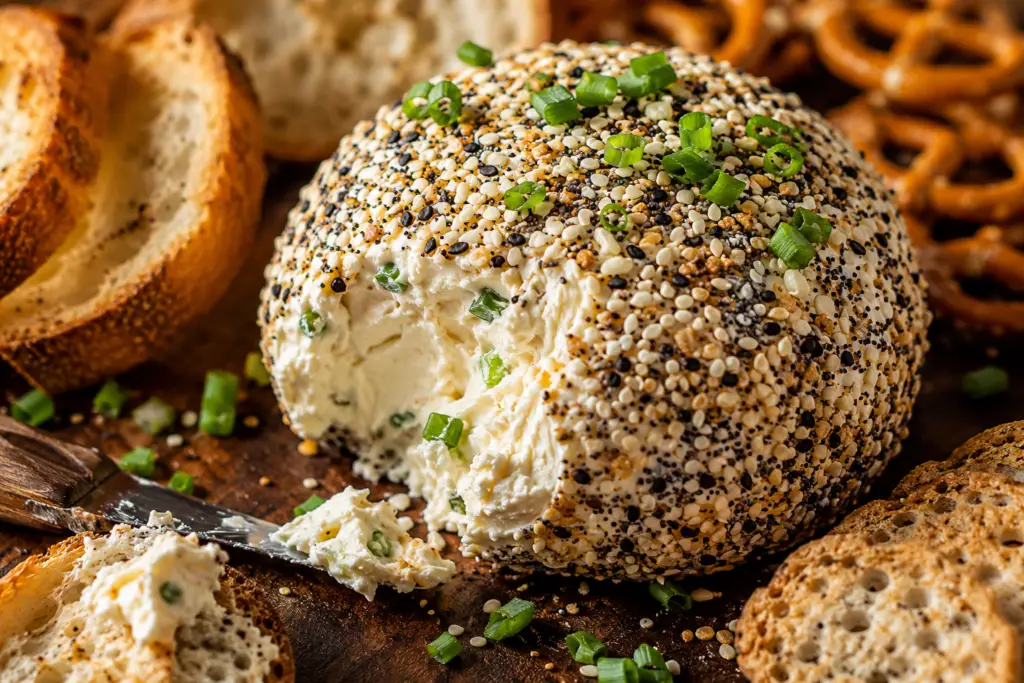
For raw applications like dips, salads, and potato toppers, green onions are at their best sliced thin on a slight diagonal for presentation. The Taco Ground Beef Rice Bowl uses sliced green onions as one of four finishing toppings (alongside salsa, cheese, and sour cream) that transform a seasoned beef and rice base into a fully assembled bowl. The Baked Mac and Cheese also uses sliced green onions as the optional fresh garnish that adds color contrast and a mild sharp note against the rich cheese. Browse cilantro, chives, and parsley for closely related fresh herb garnish applications.
For storage, green onions keep in the refrigerator for 1 to 2 weeks wrapped in a damp paper towel inside a bag. They can also be kept upright in a glass with a small amount of water, roots submerged, and will continue growing on the counter for several weeks. Snip from the top as needed.