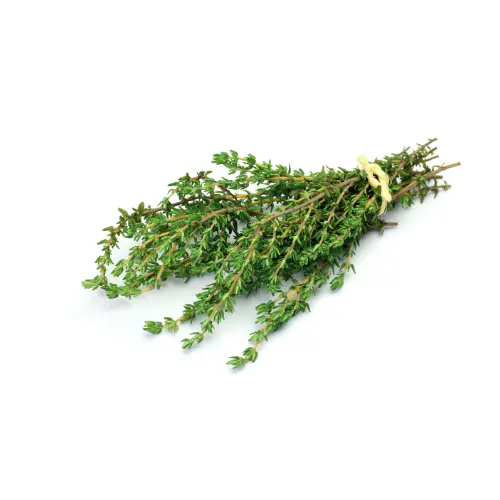
Fresh thyme is one of the few herbs where the stems are NOT edible and need to be stripped before cooking. The leaves are tiny, which makes stripping tedious , the technique is to hold the top of the stem and run two fingers down it in the opposite direction of growth, which pops the leaves off cleanly. Skip this step and the stems will end up in the finished dish as woody, unpleasant pieces. Dried thyme, on the other hand, has already been processed and goes directly into the dish. The same stripping technique applies to parsley when it comes from very large bunches, where the central stem is often too thick.
For cream-based soups and sauces, thyme is the herb that adds depth without competing with the dairy. The standard chicken and dumplings, cream of mushroom, and chicken pot pie all build their flavor on thyme alongside black pepper and butter. Cajun Chicken demonstrates the dry-thyme use in a Cajun spice blend, where the dried form provides the earthy backbone alongside oregano and olive oil in the final pan sauce.
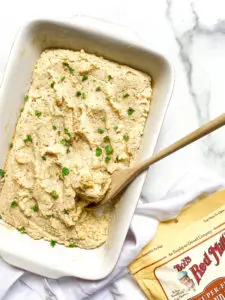
For roasted vegetables and slow-cooked dishes, fresh thyme sprigs go in whole at the start of the cook , the leaves fall off the stems naturally during the long heat, and the empty stems get fished out before serving. This technique works for roast chicken, pot roast, and any braise that runs longer than 30 minutes. Cornbread Dressing uses dried thyme stirred into the bread cube mixture, where the slow oven bake rehydrates the dried herbs and infuses the dressing with a Thanksgiving-style aromatic profile.
For storage, fresh thyme stays usable in the fridge for 7-10 days if stored properly. Wrap the bunch loosely in a slightly damp paper towel and place in a zip-top bag with the air pressed out. Stored this way, thyme lasts twice as long as if left in the original plastic packaging. The same storage method works for most woody herbs (sage, oregano, savory). Drying excess fresh thyme is also an option , hang the bunches upside down in a dry, dark spot for 7-14 days, then strip the leaves and store in a sealed jar. The home-dried version has noticeably more flavor than store-bought dried thyme, with the butter-base sauces and roasts particularly showcasing the freshness difference.