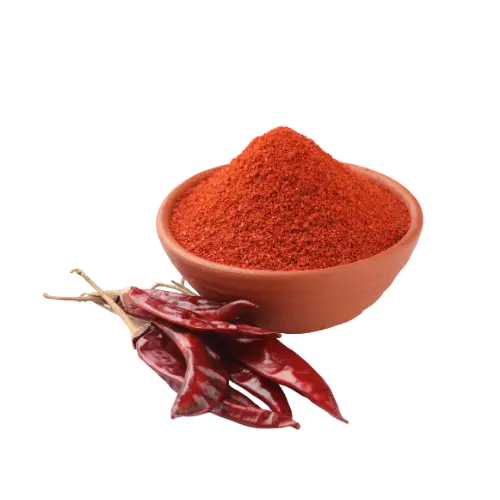
Paprika comes in three main varieties that are not interchangeable. Sweet paprika is mild, slightly fruity, and the default for most US recipes. Hot paprika is the same pepper ground with more of the seeds and ribs, producing actual heat. Smoked paprika (pimentón) is the Spanish version smoked over oak, bringing a deep, bacon-like flavor that no other spice replicates. Most recipes that call for “paprika” without specifying mean sweet, but checking the recipe context matters — a Spanish dish probably wants smoked; a Hungarian goulash needs sweet; a Cajun seasoning blend works with hot. The same regional logic applies to cumin and most spice blends.
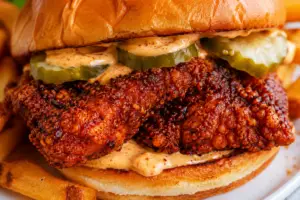
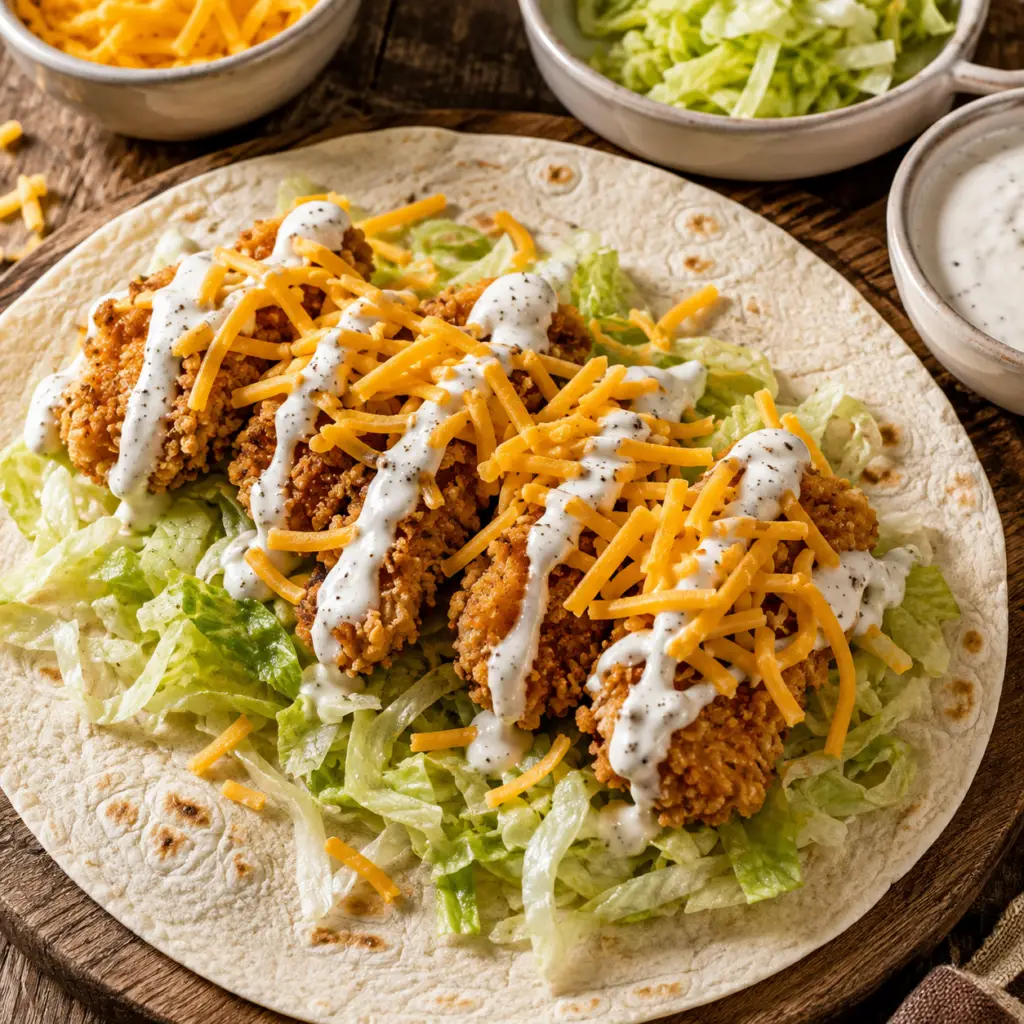
For dry rubs and seasoning blends, sweet paprika is the base color and mild flavor anchor. The standard four-ingredient savory rub is equal parts paprika, garlic powder, onion powder, and salt at roughly double the volume of any single powder. That ratio produces a rub that works on chicken, pork, beef, and fish. Fried Chicken Wings builds on this base with additional warm spices in the dredge, where the paprika contributes the deep red color that distinguishes properly seasoned wings from plain-fried ones.
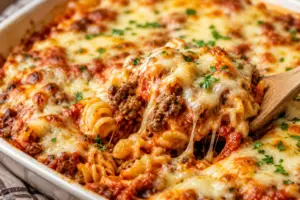
For sauces and braises, paprika needs heat to bloom its flavor properly. Adding paprika to a cold sauce or a marinade rarely brings out the full flavor; toasting it briefly in oil at the start of a cook unlocks the volatile compounds. Tuscan Chicken Pasta demonstrates this bloom technique — the paprika hits the hot oil at the start and toasts for 30 seconds before the cream goes in, which is what builds the deep color and the rounded flavor in the finished sauce. Skip the bloom step and the paprika tastes raw and slightly bitter.
For heat-forward Cajun and Creole cooking, paprika anchors the spice mix alongside oregano, thyme, and a heavier hand on the hot variety. The Cajun base of paprika, garlic powder, onion powder, cayenne, oregano, and thyme is the seasoning blend behind most New Orleans-style cooking, and adjusting the ratio of sweet to hot paprika is what controls the overall heat level. Pull back the cayenne and increase sweet paprika for kids; reverse the ratio for adult-style heat. The flexibility is built into the blend itself.