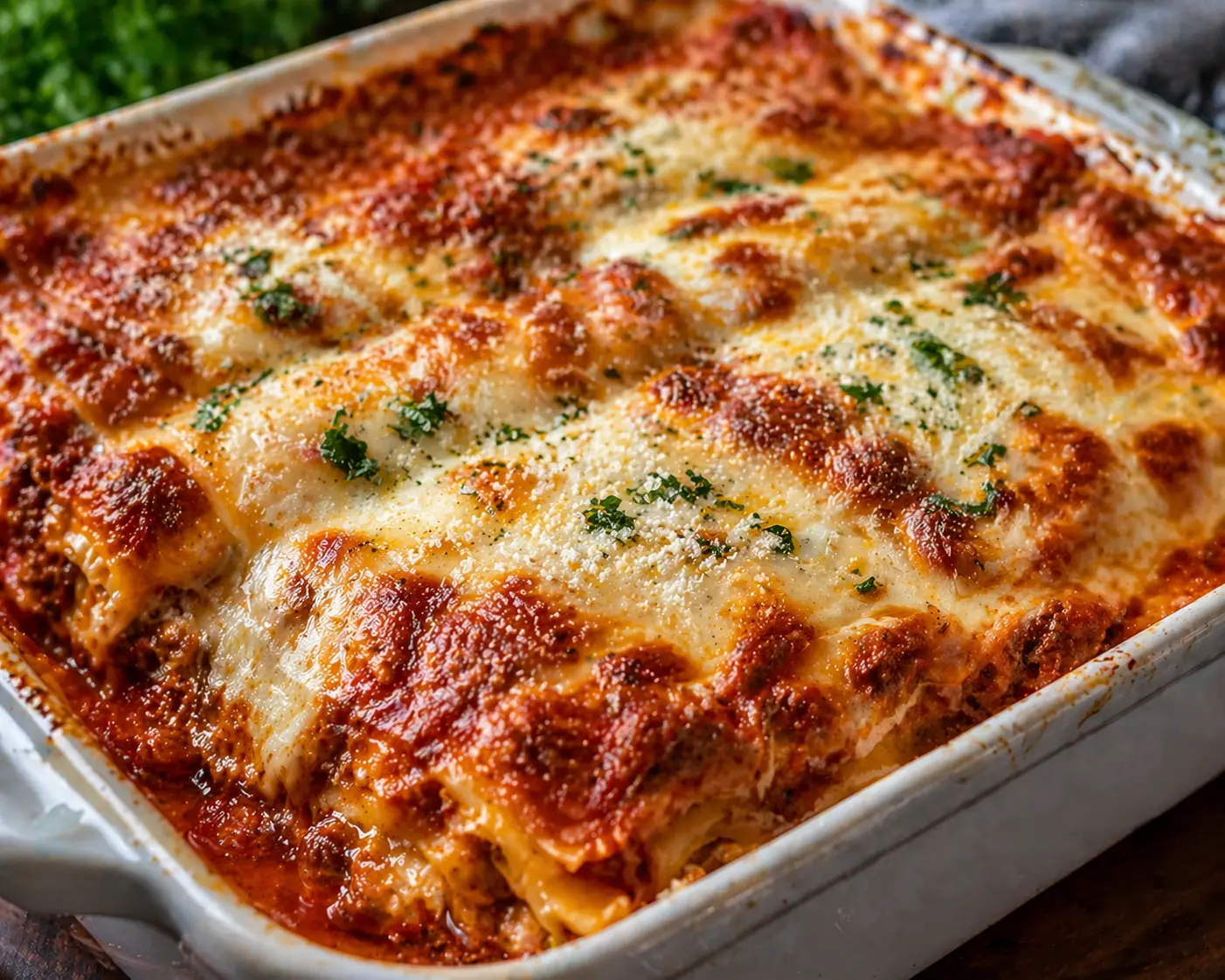
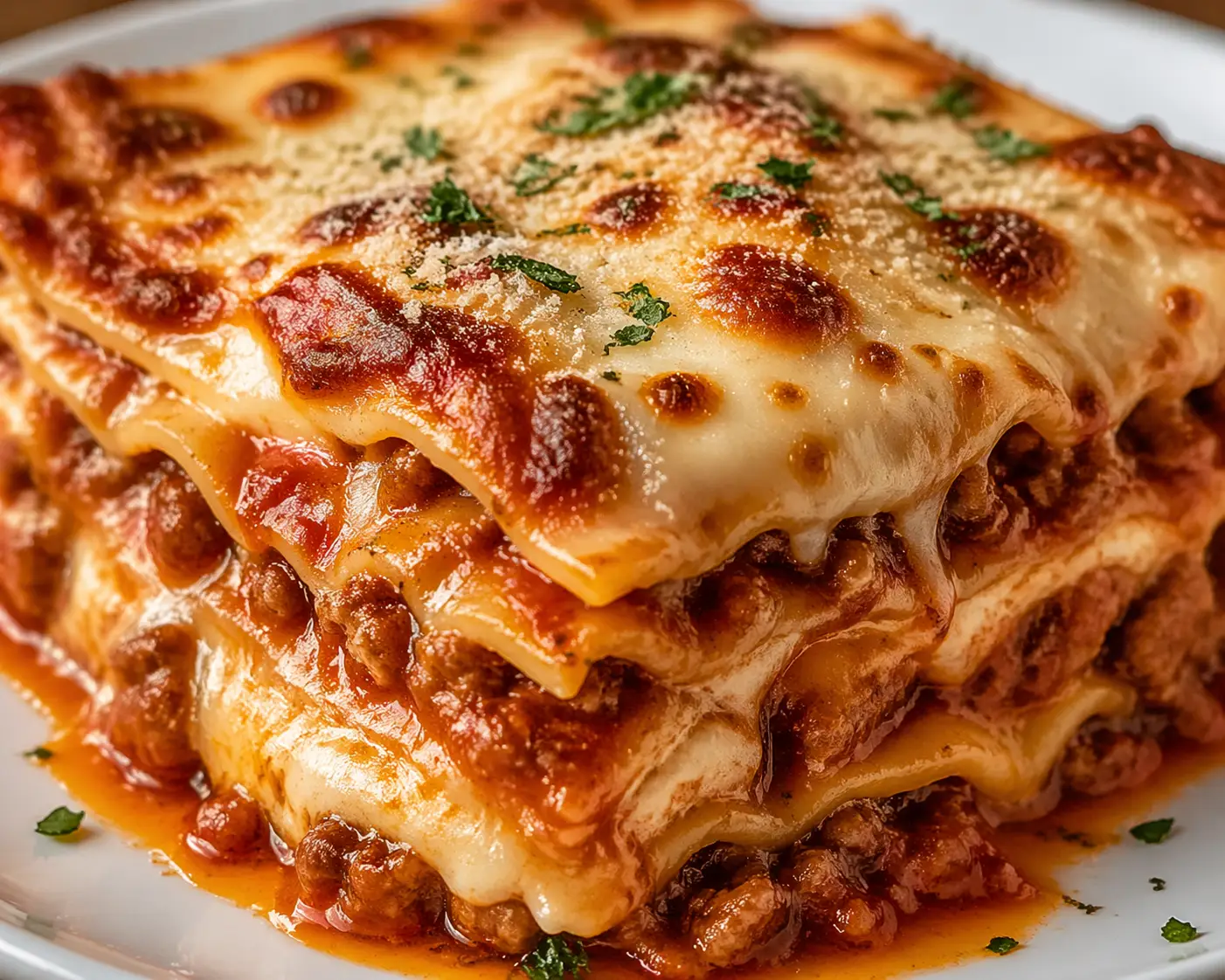
The Best Classic Lasagna
🍝 BEST CLASSIC LASAGNA RECIPE (ULTIMATE GUIDE)
There’s something about a bubbling, golden, cheesy pan of lasagna that instantly feels like home.
This isn’t just another lasagna recipe — this is the lasagna recipe people come back to over and over again. The one that gets passed around at family dinners, saved on Pinterest boards, and bookmarked for holidays.
If you’ve ever wondered:
- What’s the best way to layer lasagna?
- Why does restaurant lasagna taste better?
- How do you keep lasagna from falling apart?
👉 You’re in exactly the right place.
This guide is built to answer everything about lasagna — and give you a version that’s:
✔ Rich and deeply flavorful
✔ Perfectly layered (not watery!)
✔ Beginner-friendly but bakery-quality
✔ Meal-prep + freezer approved
WHAT IS LASAGNA?
Lasagna is a layered pasta dish made with wide noodles, sauce, cheese, and often meat — baked until bubbly and golden.
But here’s what most people don’t realize…
👉 Lasagna isn’t just one recipe — it’s a category of dishes.
The word “lasagna” actually refers to the pasta itself — not just the final baked dish.
🏺 HISTORY OF LASAGNA
Lasagna is one of the oldest known pasta dishes in the world, dating back centuries. Early versions originated in ancient Greece using flat dough called laganum. The dish evolved through the Roman Empire and eventually became an iconic staple in Italy, especially in the regions of Bologna and Naples.
The most traditional version is Lasagne alla Bolognese, made with slow-cooked meat ragù, creamy béchamel sauce, and fresh pasta sheets.
💡 Interesting fact: Ricotta-based lasagna (the version most Americans know) is actually a modern adaptation — and now one of the most searched variations globally.
WHY THIS IS THE BEST LASAGNA RECIPE
This method removes confusion and provides exact layering instructions to prevent common mistakes. This recipe goes further by:
-
Balancing richness: Perfectly pairing meat, cheese, and acidity.
-
Preventing watery layers: Ensuring structure and moisture control.
-
Building flavor: Developing depth in every single step.
The result? A lasagna that tastes like it came straight from a restaurant kitchen.
HOW TO MAKE LASAGNA (STEP-BY-STEP MASTER METHOD)
-
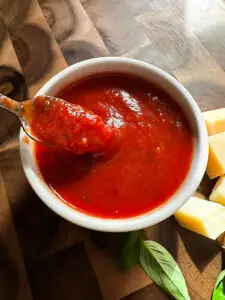
Build the Sauce: Cook your meat, drain the fat, then add garlic and tomatoes. Let it simmer for at least 20–30 minutes. This is where flavor develops—do not rush this step.
-
Prepare Cheese Mixture: Mix ricotta, egg, and parmesan. Keep this mixture smooth and easy to spread.
-
Cook Noodles (if needed): Boil until tender, then drain and lay flat. Lightly oil them to prevent sticking.
-
Layer Like a Pro: This is where most people go wrong. Follow this order for the perfect structure:
-
Sauce: (Prevents sticking at the bottom).
-
Noodles.
-
Ricotta mixture.
-
Meat sauce.
-
Repeat 3–4 layers, finishing with extra cheese on top.
-
-
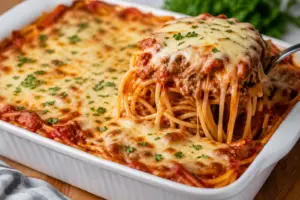
Bake to Perfection: Cover and bake at 375°F for 25 minutes. Uncover and bake for another 15–20 minutes. Look for bubbling edges and golden, melted cheese.
-
REST (Most Important Step): Let it sit for 15–20 minutes. This allows the layers to set, preventing the lasagna from sliding apart and ensuring clean, restaurant-quality cuts.
For perfect heat distribution and cleanup that’s as easy as the meal is delicious, I highly recommend using Caraway Home non-toxic cookware for your sauce—don’t forget to use code STACIE at checkout for a discount!
TIPS THAT CHANGE EVERYTHING
-
Slightly Undercook the Noodles: They continue cooking in the oven, so aiming for al dente prevents mushy pasta.
-
Simmer Longer: More time equals deeper, more complex flavor.
-
Season Every Layer: Don’t rely only on the sauce. Add a light dash of seasoning to your ricotta mixture, pasta water, and final layers.
-
Avoid Watery Lasagna: Common mistakes include too much sauce, vegetables that release moisture, or skipping the rest time. Fix this by using a thicker sauce and draining ingredients well.
-
Sweeten the Deal: After enjoying this savory meal, treat yourself to a simple, sweet dessert like my Chewy Blondies or a decadent Flourless Chocolate Torte.
-
Pantry Upgrade: If you want to refine your kitchen organization while you cook, visit my Baking Tips & Tricks page for more helpful resources.
TROUBLESHOOTING LASAGNA
- Watery. Sauce too thin, didn’t rest long enough, or overfilled layers.
- Falling Apart. No egg in ricotta, cut too early, or layers are too thick.
- Bland Taste. Not enough salt, no seasoning in the layers, or rushed sauce.
POPULAR LASAGNA VARIATIONS
-
White Chicken Lasagna: Alfredo-style sauce with shredded chicken and spinach.
-
Vegetable Lasagna: Packed with zucchini, mushrooms, and spinach.
-
Cottage Cheese Lasagna: A high-protein trend using cottage cheese instead of ricotta.
-
Vegan Lasagna: Uses cashew cream or béchamel with a savory lentil filling.
-
Million Dollar Lasagna: An ultra-creamy combo of cream cheese and ricotta.
-
No-Boil Lasagna: A beginner-friendly, fast-prep version.
Lasagna Mistakes to Avoid (Read This Before You Bake)
Even the best ingredients can fall flat if a few key steps are missed. One of the biggest mistakes is using a sauce that’s too thin — excess liquid leads to watery, sloppy layers instead of those clean, bakery-style slices. Another common issue is skipping the resting time after baking; cutting into lasagna too early causes everything to slide apart before it has a chance to set. Overloading the layers is another trap — more isn’t always better, and too much filling can prevent even cooking. Undercooking or overcooking the noodles can also affect texture, so aim for slightly al dente if boiling ahead. Finally, don’t forget to season every layer — relying only on the sauce can leave your lasagna tasting bland. When you focus on balanced layers, proper moisture, and a little patience, you’ll get that rich, structured, restaurant-quality lasagna every single time.
For more delicious inspiration and video guides, be sure to follow Sugar Face Bakes on YouTube here.
American Classic Lasagna Recipe
Ingredients
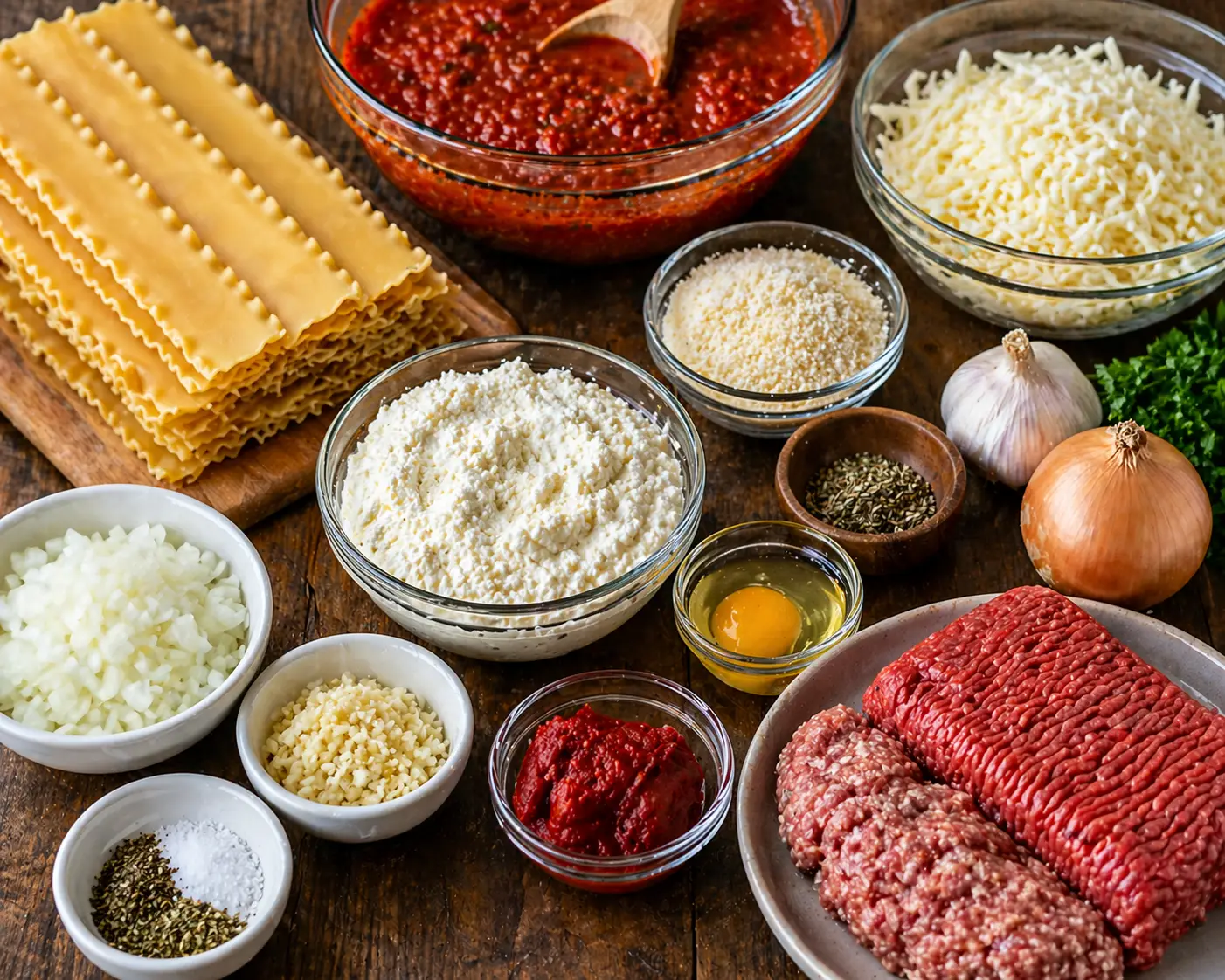
- 1 lb ground beef
- ½ lb Italian sausage
- 1 small onion diced
- 3 cloves garlic minced
- 1 29-oz can crushed tomatoes
- 2 tbsp tomato paste
- 1 tsp granulated sugar
- 1 tsp salt
- ½ tsp ground black pepepr
- 1 tbsp Italian seasoning
Cheese Filling
- 15-oz ricotta cheese
- ½ cup parmesan cheese grated
- 2 cups mozzarella cheese divided
- 12 lasagna noodles
Instructions
- 1. Make The Meat SauceIn a large skillet over medium heat, cook the ground beef and Italian sausage until browned. Drain excess grease.Add diced onion and cook for 3–4 minutes until softened. Stir in garlic and cook for 1 minute until fragrant.Add crushed tomatoes, tomato paste, sugar, salt, pepper, and Italian seasoning. Stir well and bring to a gentle simmer.Reduce heat and let simmer uncovered for 20–30 minutes, stirring occasionally, until thickened.👉 Tip: The thicker the sauce, the better your lasagna layers will hold.
- 2, Prepare The Cheese MixtureIn a medium bowl, combine ricotta cheese, egg, parmesan cheese, and 1 cup of the mozzarella.Mix until smooth and fully combined.👉 Tip: The egg helps the filling set so your slices hold their shape.
- 3. Cook The NoodlesBring a large pot of salted water to a boil. Cook noodles until just al dente (slightly firm).Drain and lay flat on a lightly oiled surface to prevent sticking.👉 Skip this step if using oven-ready noodles.
- Preheat oven to 375°F (190°C).
- 5. Assemble The Lasagna (IMPORTANT FOR STRUCTURE)In a 9x13-inch baking dish: Spread a thin layer of meat sauce on the bottom
- Add a layer of noodles.
- Spread ricotta mixture evenly.
- Add a layer of meat sauce.
- Sprinkle mozzarella.
- Repeat layers 2–3 more times, finishing with: sauce, mozzarella, and extra parmesan cheese (optional). 👉 Tip: Don’t overload layers — even layering = even cooking.
- Bake The Lasagna:Cover loosely with foil (tent it to avoid touching cheese). Bake for 25 minutes covered, then remove foil and bake an additional 15–20 minutes until cheese is melted, golden, and bubbly.
- Remove from oven and let rest for 15–20 minutes before slicing.👉 This allows layers to set and prevents a watery, messy cut.
Notes
🍽️ Notes
- Use whole milk ricotta for best texture
- Add a pinch of sugar to balance tomato acidity
- Slightly undercook noodles — they finish in the oven
- Lasagna tastes even better the next day
🧊 Storage
- Refrigerator: up to 4 days
- Freezer: up to 3 months
NUTRITIONAL VALUE (PER SERVING — 12 SLICES)
Serving Size: 1 slice (based on 12 total servings)- Calories: 430
- Protein: 24g
- Carbohydrates: 34g
- Fat: 21g
- Saturated Fat: 10g
- Cholesterol: 85mg
- Sodium: 780mg
- Fiber: 3g
- Sugar: 5g
💡 Nutrition Notes
- High in protein from beef, sausage, and cheese
- Balanced carbs from pasta layers
- Rich and satisfying — ideal for portion-controlled meals
- Can be modified for lower fat by using lean beef or part-skim cheese
Frequently Asked Questions
What is the correct layering order for lasagna?
Start with a base of sauce to prevent sticking, then layer noodles, ricotta cheese mixture, mozzarella, and meat sauce. Repeat these layers 3–4 times and finish with a generous layer of mozzarella and parmesan on top.
How long should lasagna bake in the oven?
Lasagna should bake at 375°F (190°C) for 25 minutes covered (to cook evenly) and 15–20 minutes uncovered (to brown the cheese).
Why is my lasagna watery?
Watery lasagna is usually caused by thin or overly liquid sauce, not draining meat properly, or skipping the resting time. Ensure your sauce is thick and drain any vegetables well before using.
How long should lasagna rest before cutting?
Lasagna should rest for at least 15–20 minutes. This allows the layers to set, making it easier to cut clean slices without everything sliding apart.
Is ricotta or béchamel better?
It depends on the style! Ricotta is creamy, slightly sweet, and standard in American lasagna. Béchamel is a smooth, buttery white sauce used in traditional Italian Lasagne alla Bolognese. Both are delicious.
More Pasta Dinner Recipes
Looking for more easy and comforting meals? Browse all recipes here: