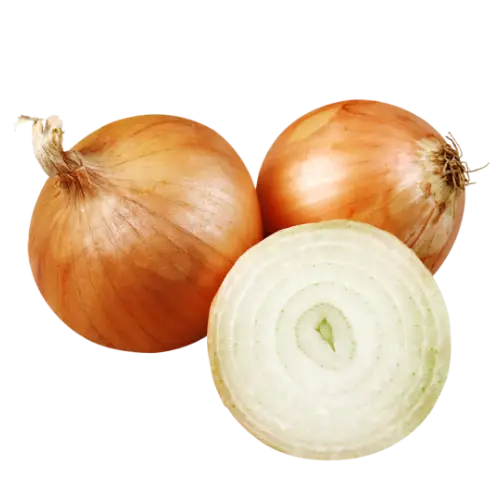
Yellow onions, white onions, and red onions all have specific best uses. Yellow onions are the workhorse cooking onion, highest sugar content, best for caramelization, standard for soups and stews. White onions are sharper and crisper, best for Mexican cooking and pico de gallo. Red onions are mildest and most colorful, best raw in salads and on sandwiches. Substituting one for another in serious cooking shifts the finished dish more than most home cooks realize.
For caramelized onions (the technique that transforms most onion applications), the standard approach is to slice 3-4 yellow onions, cook in 2 tablespoons butter or olive oil over medium-low heat for 30-45 minutes, stirring every 5-10 minutes. The slow cook is non-negotiable, rushing the heat produces burnt edges with raw centers rather than the deep amber color and jammy texture that defines caramelized onions. Use on burgers, pizzas, French onion soup, or anywhere needing umami sweetness.
For French onion soup, yellow onions are non-negotiable, the sugar content drives the dish. The standard recipe is 4-5 yellow onions sliced thin, caramelized 45 minutes in butter, deglazed with white wine, simmered 30 minutes in beef stock with thyme and bay leaves. Topped with toasted bread and gruyere cheese, broiled until bubbly. beef broth as the foundational liquid is what distinguishes proper French onion from generic onion soup.
For storage, whole yellow onions keep 1-2 months in a cool, dark, dry pantry, never refrigerate whole onions (the cold and moisture cause sprouting and rot). Cut onions keep 7-10 days wrapped tightly and refrigerated. For the standard onion-prep technique (chopping in bulk for the week), chopped yellow onions can be frozen flat in single-layer ziplock bags and added directly to cooking without thawing. The pre-chopped grocery store versions cost 3-4x more than whole onions and lose flavor quickly. garlic alongside yellow onion in the saute base is the foundational allium combination in most Western cooking. Other reader picks that build on yellow onion include The Best Ground Beef Chili and Creamy Chicken Wild Rice Soup. Browse tomatoes, garlic, and salt for closely related cooking applications.