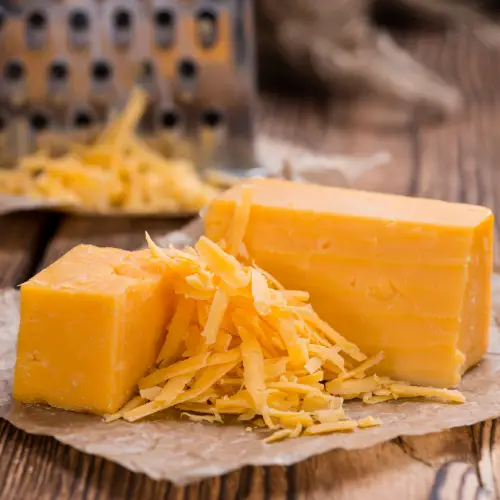
Sharp cheddar versus mild cheddar comes down to aging. Mild cheddar (3-6 months) is bright yellow, creamy, and melts cleanly. Medium cheddar (9-12 months) has noticeable tang. Sharp cheddar (12-18+ months) has the strongest flavor and slightly crumbly texture. For mac and cheese, a mix of sharp and mild works best. The sharp brings flavor, the mild melts smoothly. Pairing with parmesan cheese adds umami depth that pure cheddar lacks.
Pre-shredded bagged cheddar contains cellulose (an anti-caking agent) and dries out faster than block cheese, both of which compromise melting performance. Block cheese grated fresh produces noticeably smoother sauces and richer pulls on grilled cheese. A microplane grater or box grater both work; a food processor grating disc handles larger volumes for casseroles and pizza-style applications.
For mac and cheese specifically, the technique is a roux-based bechamel sauce (equal parts butter and flour cooked together, then whisked into warm milk) with the cheese added off heat to prevent breaking. The cheese needs to be at room temperature. Cold cheese cooled the sauce too rapidly and produces grainy results. eggs stirred into a baked mac and cheese custard variation produces a firmer, sliceable finished dish closer to the Southern-style versions. Look to parmesan cheese, mozzarella cheese, and cream cheese for adjacent applications in the site’s recipe library.
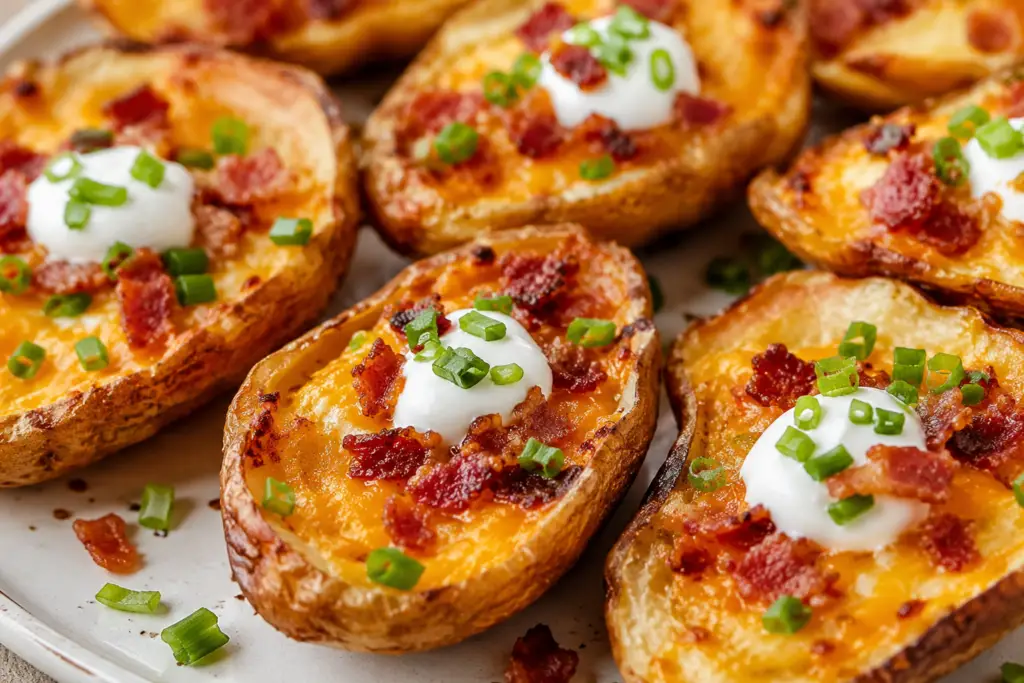
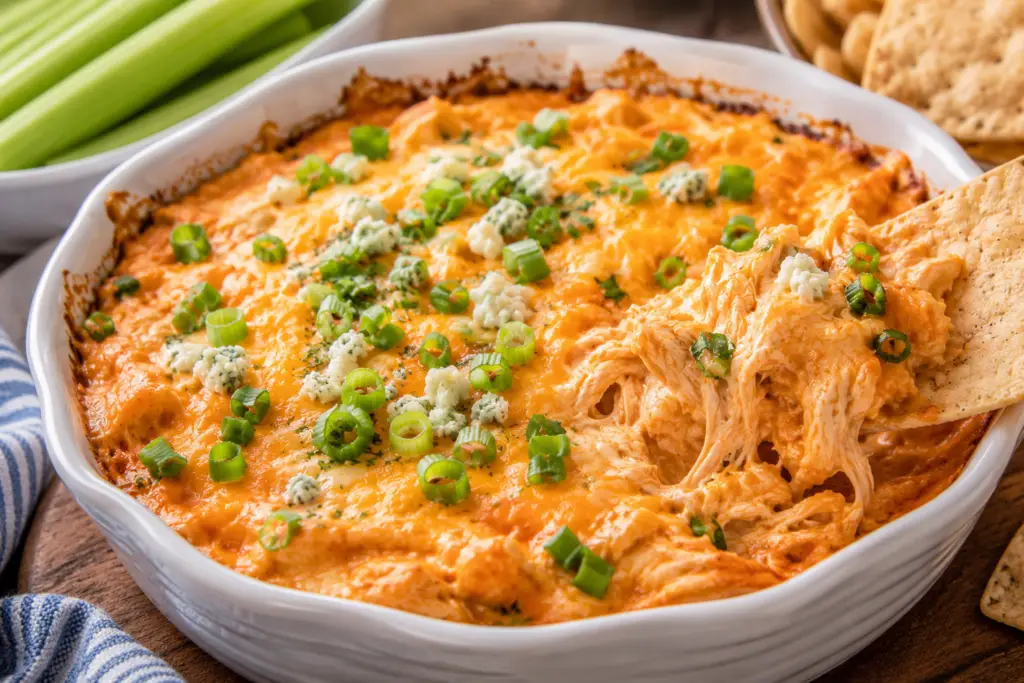
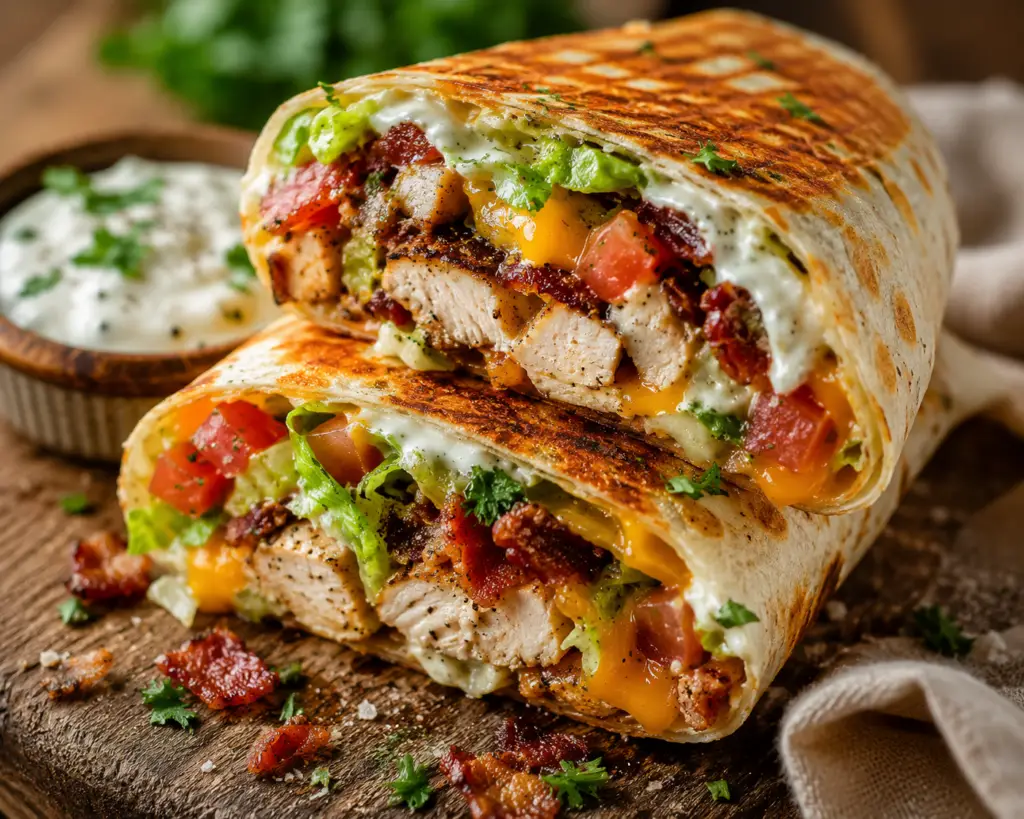
For savory bakes and casseroles, cheddar adds richness and a golden-brown crust during baking. The technique is to use 75% of the cheese mixed into the dish and reserve 25% for the top. The top layer browns and adds visual appeal. garlic bloomed in butter at the start of any cheddar-forward recipe builds the savory foundation that pure cheese cannot provide alone. Ground Beef and Tater Tot Casserole is a strong showcase for sharp cheddar specifically, where the cheese needs to hold up against the tater tots and beef and still come through as the dominant flavor. Browse cottage cheese, goat cheese, and yogurt for closely related cooking applications.