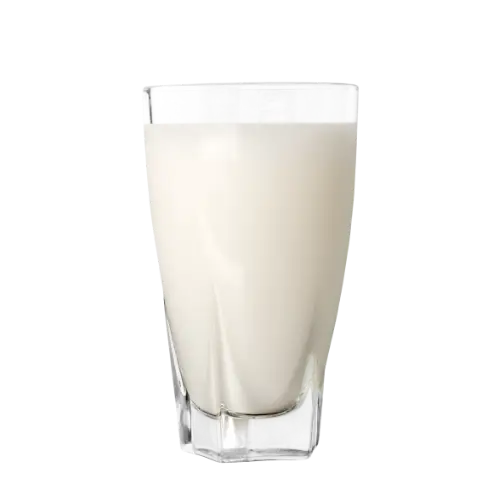
Milk is water carrying fat, protein, and lactose – and the ratio of those components is what determines how it behaves in a recipe. Whole milk (around 3.25% fat) produces a richer crumb in cakes and muffins than skim milk because the fat coats gluten strands and tenderizes the structure. The protein in milk contributes to browning through the Maillard reaction. The lactose adds a subtle sweetness alongside any sugar in the recipe. When a recipe specifies whole milk rather than just “milk,” that specification matters to the final texture and flavor of the bake.
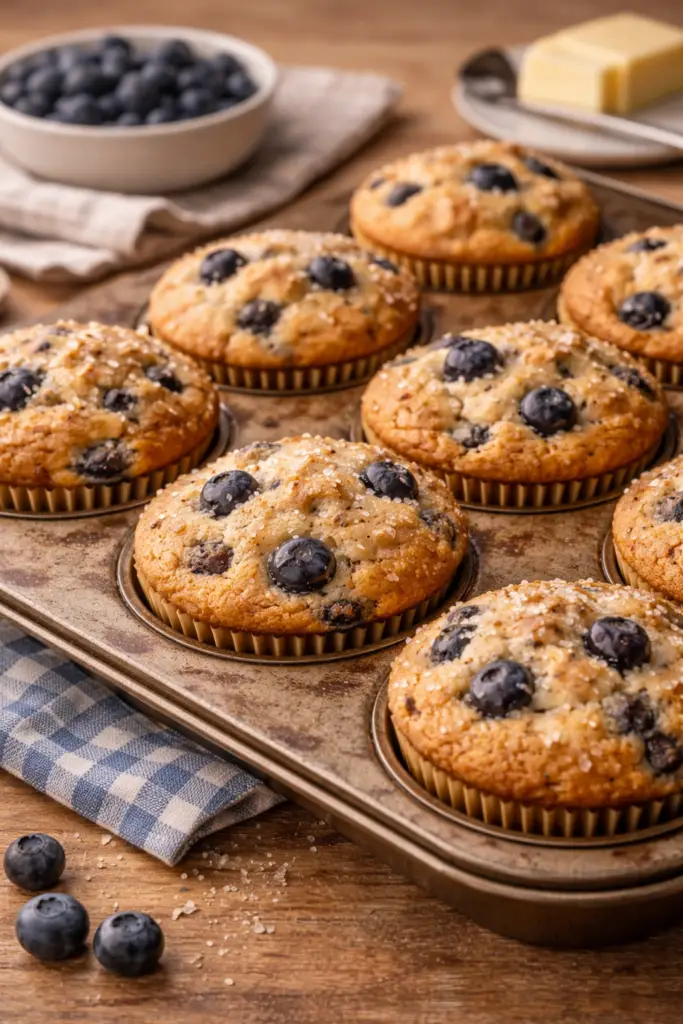
Milk shows up across both sweet and savory applications here. On the savory side, it is the base of béchamel and cream sauces, the liquid that loosens a mashed potato to the right consistency, and the starting point for the custard that sets a quiche or savory bread pudding. On the sweet side, it is the hydration in The Best Cinnamon Rolls dough (where the fat and protein in whole milk produce a softer, more tender crumb than water would), the dairy in Easy Mini Pumpkin Pies filling, and one of the binding liquids in Lemon Raspberry Muffins. In each case, its job is slightly different.
For overnight oats and no-bake breakfast prep, milk is the liquid that hydrates the oats over the rest period. The ratio of milk to oats determines whether the finished overnight oats have a porridge-like texture or stay firm enough to eat with a spoon without collapsing. Chocolate Banana Overnight Oats use a specific milk-to-oat ratio developed for the right texture after an eight-hour refrigerator rest – too much milk and they are soupy, too little and the oats absorb everything and go dense by morning.
Milk alternatives (oat milk, almond milk, soy milk) are not one-to-one swaps in every recipe. Their fat content, protein content, and behavior at heat are all different. Oat milk thickens sauces faster because of its starch content. Almond milk is thin and slightly sweet, which can tip the flavor balance in a savory application. Soy milk is the closest match to whole milk in protein structure and is usually the most reliable baking substitute. For recipes where butter or eggs are providing most of the fat and structure, a non-dairy milk swap is low-risk. For recipes where milk is the primary fat source, a full-fat alternative is a safer choice than the skim versions.