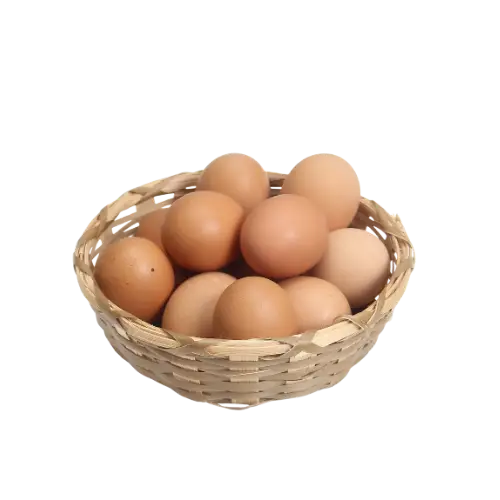
Eggs are the structural backbone of most baking. The proteins in egg whites coagulate during baking and set the crumb. The fat in the yolk tenderizes it. The lecithin in the yolk emulsifies the fat and liquid together so the batter does not break. And the water content in the whole egg creates steam in the oven that helps the bake rise. When a recipe calls for one egg versus two, that is not a rounding decision – it changes moisture, structure, and richness in ways that compound through the entire bake.
Most of the recipes here that use eggs also use all-purpose flour and sugar as the base. Chocolate Chip Muffins are a clear case: the egg binds the batter and creates structure that holds the muffin top up. Without it, the muffin would be dense, gummy, and would collapse after coming out of the oven. One egg per 12 muffins is a small amount, but it is doing significant structural work throughout the batch.
Room temperature eggs matter in baking more than most people think. Cold eggs straight from the fridge can seize the fat in a batter – especially when creaming unsalted butter and sugar together – and prevent the emulsion from forming properly. The fix is simple: put the eggs in warm water for ten minutes before using. In contrast, cold eggs are actually better for soft-boiled or poached preparations because the white sets more evenly around the yolk at a lower temperature.
For recipes with an egg-forward flavor, try Banana Chocolate Chip Muffins – the egg is the reason the muffin tastes rich rather than breadlike. The Best Peanut Butter Cookies also demonstrate how egg quantity changes a cookie: one egg produces a soft, chewy result; two eggs and the cookie goes cakey. Neither is wrong, but they are genuinely different outcomes from one ingredient change.
Egg size also matters and most recipes assume large. Medium eggs have roughly 15% less volume than large, which affects moisture balance in baked goods when multiplied across a batch. If you only have medium eggs, add one extra egg per three called for in the recipe to compensate. Jumbo eggs in the same scenario: reduce by one per six. These are small adjustments, but they explain why a recipe that worked perfectly last week produces a different result when a different carton comes home from the store.