

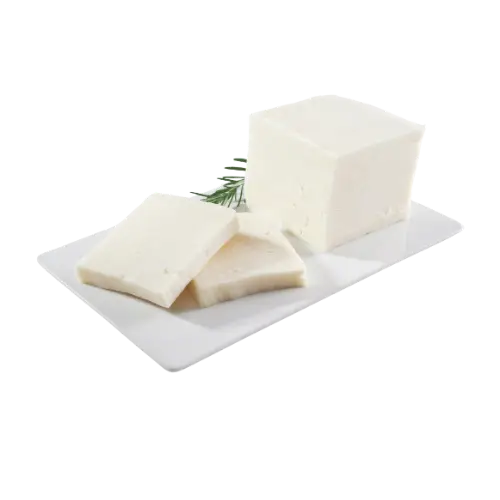
Goat cheese (chevre) is the tangy, soft cheese that anchors salads, appetizers, savory bakes, and most Mediterranean cooking on this site. The bright, slightly grassy flavor pairs particularly well with honey, figs, beets, and roasted vegetables, the high-acid profile cuts through sweet and rich ingredients in a way that softer cheeses cannot. A reader favorite that builds on it is Puff Pastry Dessert Bites where the goat cheese provides the tangy creamy contrast to the buttery flaky pastry.



Fresh goat cheese (the soft log form) and aged goat cheese (the firmer crumbly form) work in different applications. Fresh chevre spreads on crackers and toast, crumbles over salads, and melts into pasta sauces. Aged goat cheese (like crottin de chavignol) slices for cheese boards and stands up to grilling without dissolving. Most American recipes calling for ‘goat cheese’ mean the fresh log; substitute aged for a sharper, more concentrated finish.
For salads, goat cheese pairs particularly well with beets, walnuts, honey, and balsamic vinegar, the classic beet-and-goat-cheese salad is built on this principle. Crumble 2 ounces of chevre over 2 cups of mixed greens with roasted beets, candied walnuts, and a 2:1 olive oil-to-balsamic vinaigrette. The parsley or fresh basil scattered on top brightens the finish. For warm salads, broil the cheese on a slice of bread until just melted, then float on the dressed greens.
For savory bakes, goat cheese works in stuffed chicken breasts, tomato tarts, and any application where you want creamy richness with tang. Stuffing a chicken breast with 1 oz goat cheese, sun-dried tomatoes, and basil before pan-searing produces a 30-minute dinner that tastes restaurant-grade. The tang cuts through the richness of the cream-and-butter sauce that often accompanies these dishes.
For appetizers, the simplest goat cheese application is a log of chevre rolled in chopped herbs (parsley, chives, thyme), drizzled with honey, and served with crackers or sliced baguette. Adding figs or fig jam to the spread elevates it for entertaining without adding meaningful preparation time. For storage, goat cheese keeps 2-3 weeks unopened, 7-10 days opened, both refrigerated. The tang intensifies slightly over time; if it develops a sharp ammonia smell, discard. Pairings that showcase goat cheese’s tangy profile include Healthy Cottage Cheese Salad where it works against fresh greens, and Homemade Fig Newtons where the fig-and-cheese pairing is the classic combination. Browse parmesan cheese, mozzarella cheese, and salt for closely related cooking applications.
Goat cheese can be crumbled into salads, spread on toast, blended into dips, or added to pasta and baked dishes. Its creamy texture and tangy flavor pair well with fruits, herbs, roasted vegetables, and honey.
To make goat cheese recipes, start by crumbling or softening the cheese depending on the dish. Combine it with complementary ingredients such as herbs, vegetables, or fruits, then bake, mix, or spread as directed in the recipe.
Goat cheese is commonly used in salads, appetizers, pasta dishes, savory tarts, stuffed vegetables, dips, and spreads. It also works well in baked dishes and pairs nicely with sweet ingredients like honey or figs.
Goat cheese contains protein, calcium, and essential vitamins. It is often easier to digest than some cow’s milk cheeses and may contain slightly less lactose. It can be part of a balanced diet when eaten in moderation.
For more soft and tangy cheese options, see our feta cheese and cream cheese recipes.