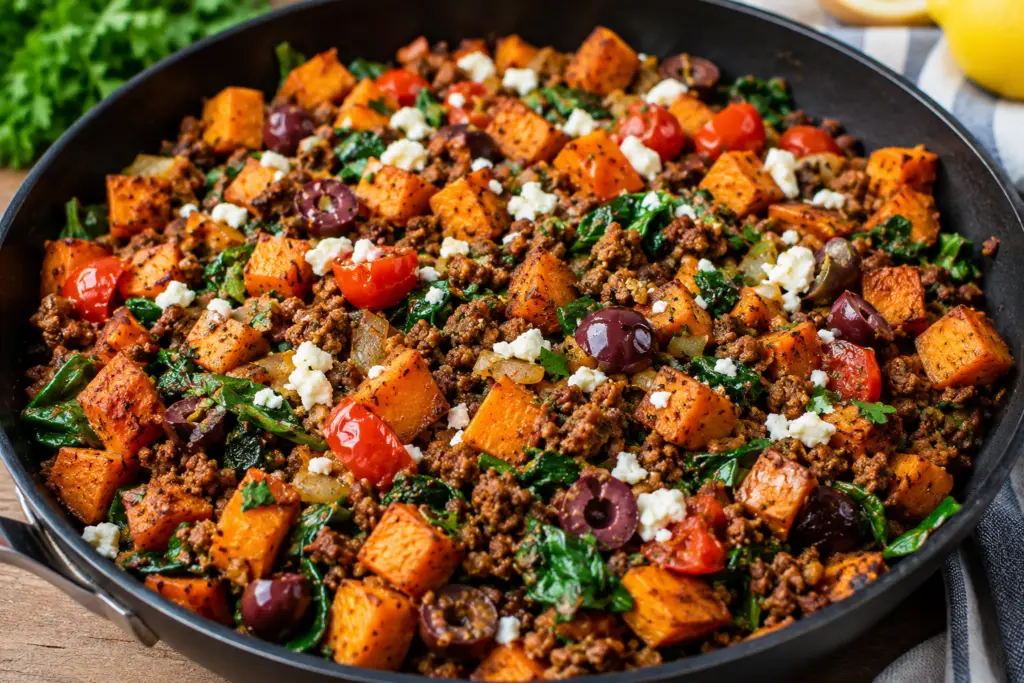
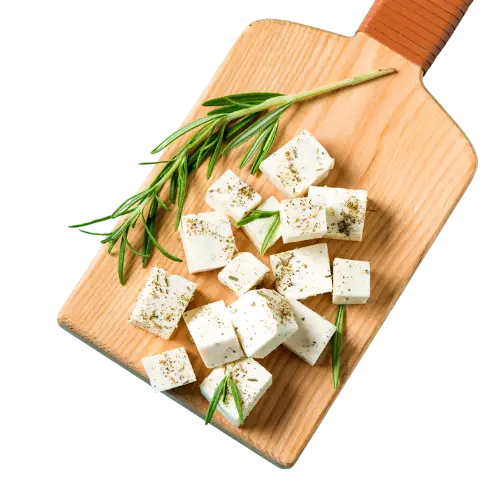
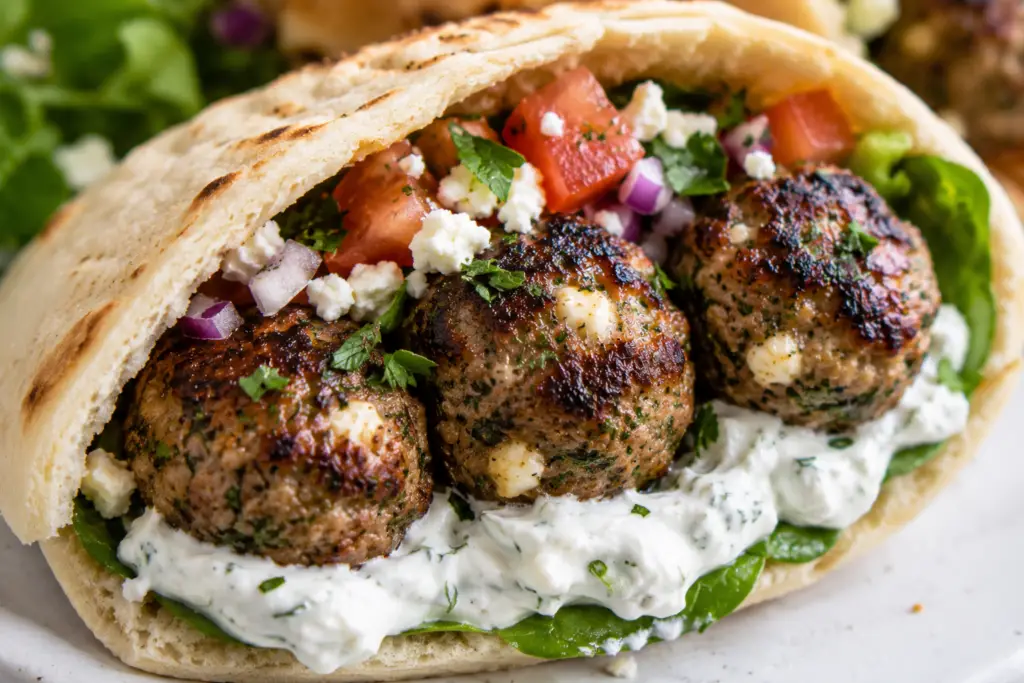
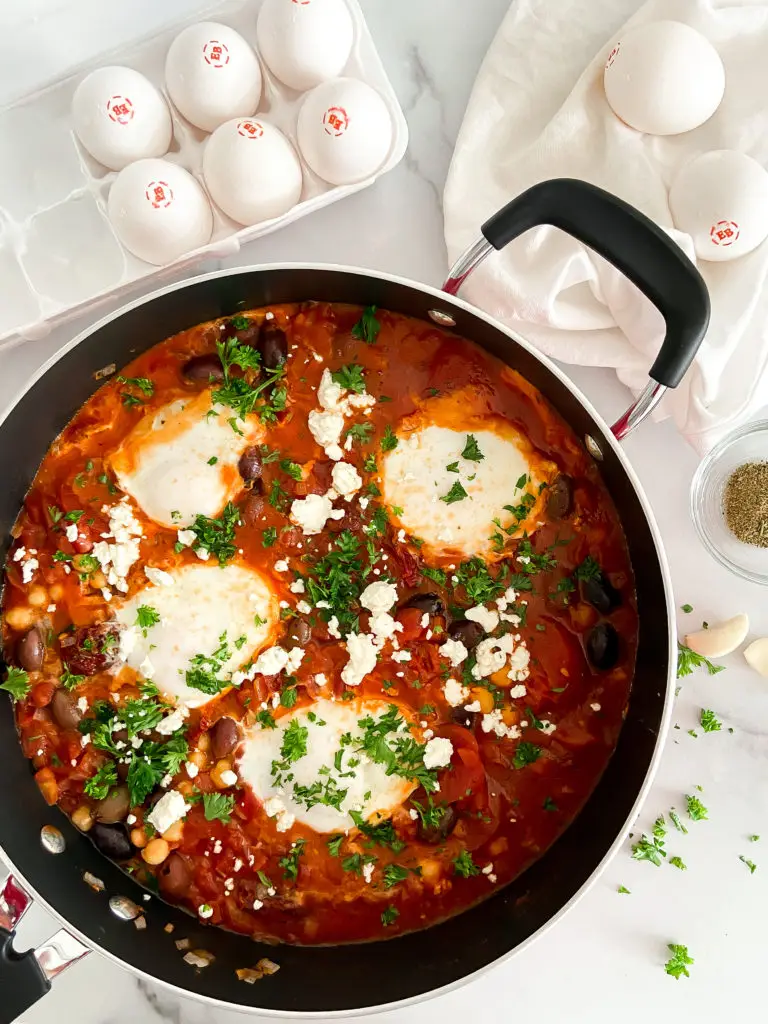
Real Greek feta (made from sheep’s milk, or sheep-and-goat milk blend, aged 3+ months in brine) is dramatically different from American grocery-store ‘feta’ (typically made from cow’s milk, briefly aged). The Greek version is crumblier, tangier, more complex. The American version is creamier, milder. For Greek cooking where feta is the lead ingredient, the Greek version is worth seeking out from Mediterranean grocery stores.
Block feta (sold in brine in a deli case) versus pre-crumbled feta (sold in bags or tubs) are not equivalent in quality. Pre-crumbled feta dries out faster and contains anti-caking agents that compromise melting and texture. For most home cooking, buying block feta and crumbling it fresh produces noticeably better results. The brine in the block container keeps the cheese fresh for 4-6 weeks.
For Greek salad, the standard recipe is 2 cups diced tomatoes, 2 cups diced cucumber, 1/2 cup sliced red onion, 1 cup crumbled feta, 1/2 cup Kalamata olives, dressed with olive oil, oregano, and red wine vinegar. The feta provides the salty acid that ties the dressed vegetables together. olive oil of good quality is essential, this dish has nowhere to hide low-quality ingredients.
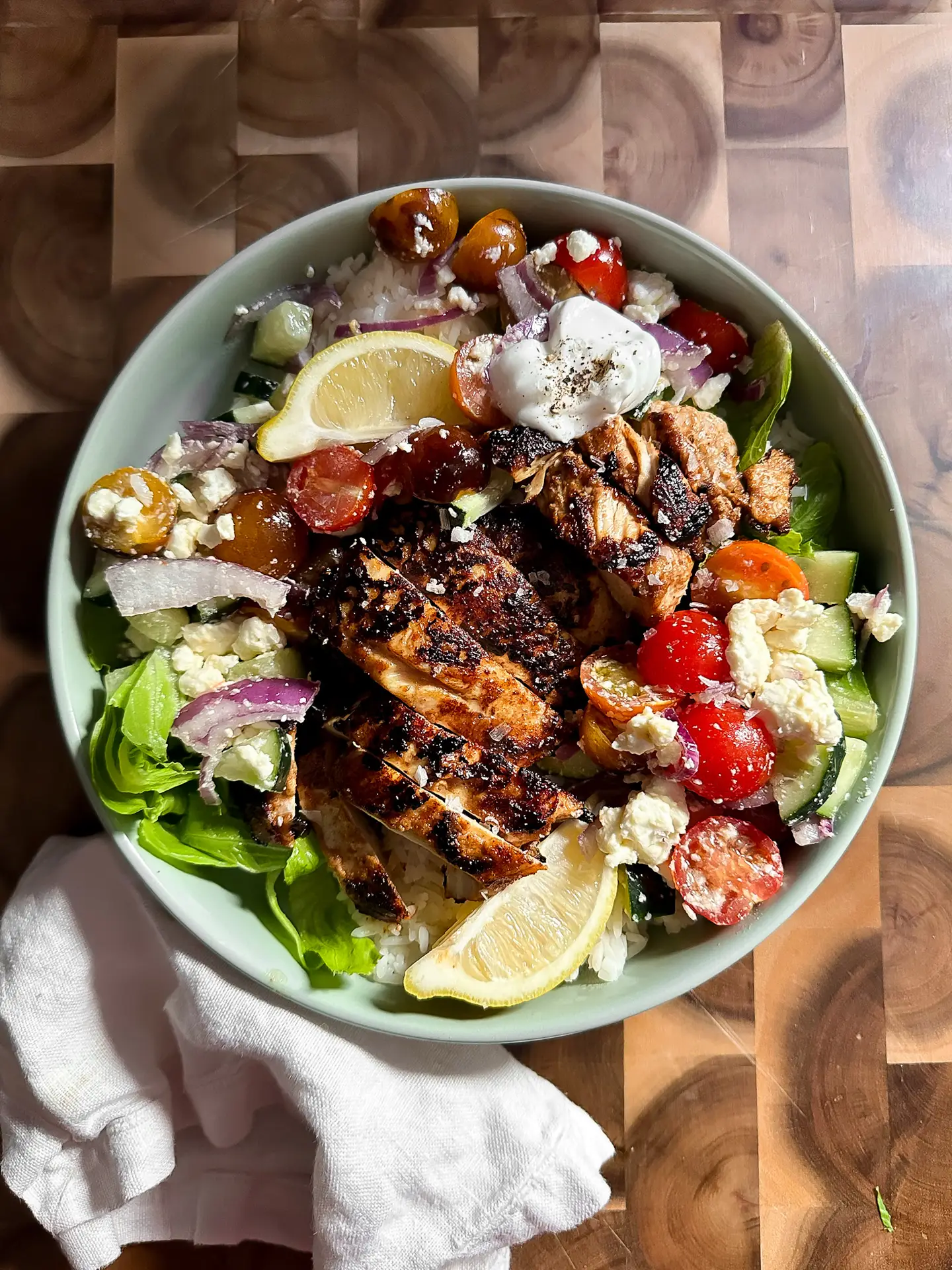
For roasted feta (the trending TikTok-popularized application), the technique is to place a block of feta in a baking dish, surround with cherry tomatoes, drizzle with olive oil and dried oregano, bake at 400°F for 25-30 minutes until the feta softens and the tomatoes burst. Mash everything together with hot pasta for a 30-minute weeknight dinner. The pairing with garlic and fresh herbs amplifies the Mediterranean profile. Other reader picks that build on feta cheese include Chicken Shawarma Bowls and Healthy Cottage Cheese Salad. Browse olive oil, tomatoes, and salt for closely related cooking applications.