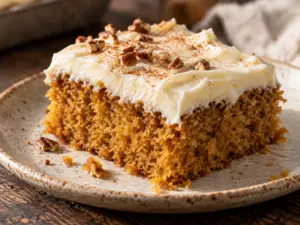
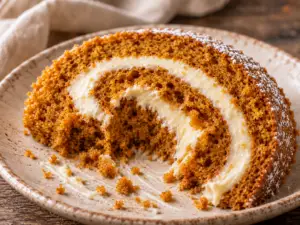
Cream cheese frosting and buttercream frosting are not interchangeable. Cream cheese frosting is tangier, softer, and holds shape less reliably than buttercream made with the same powdered sugar amount. For piped decoration, buttercream wins. For spread frosting on cakes and cinnamon rolls, cream cheese frosting wins because the tangy flavor cuts through the sweetness of the bake underneath. The recipes here default to cream cheese frosting for almost every cake except specifically decorated ones.
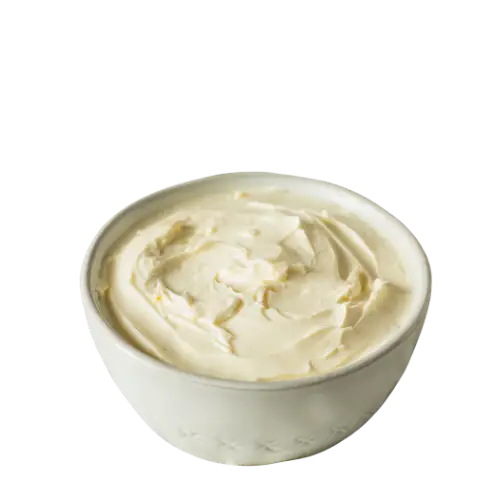
The temperature of the cream cheese matters more than most home bakers realize. Cold cream cheese will not blend with butter cleanly; it leaves lumps in the frosting that no amount of mixing will smooth out. The fix: pull the cream cheese out of the fridge 60-90 minutes before mixing, then beat it alone for a minute before adding any other ingredients. Cinnamon Roll Cake demonstrates the technique on a frosting where the cream cheese and butter need to incorporate completely before the powdered sugar goes in.
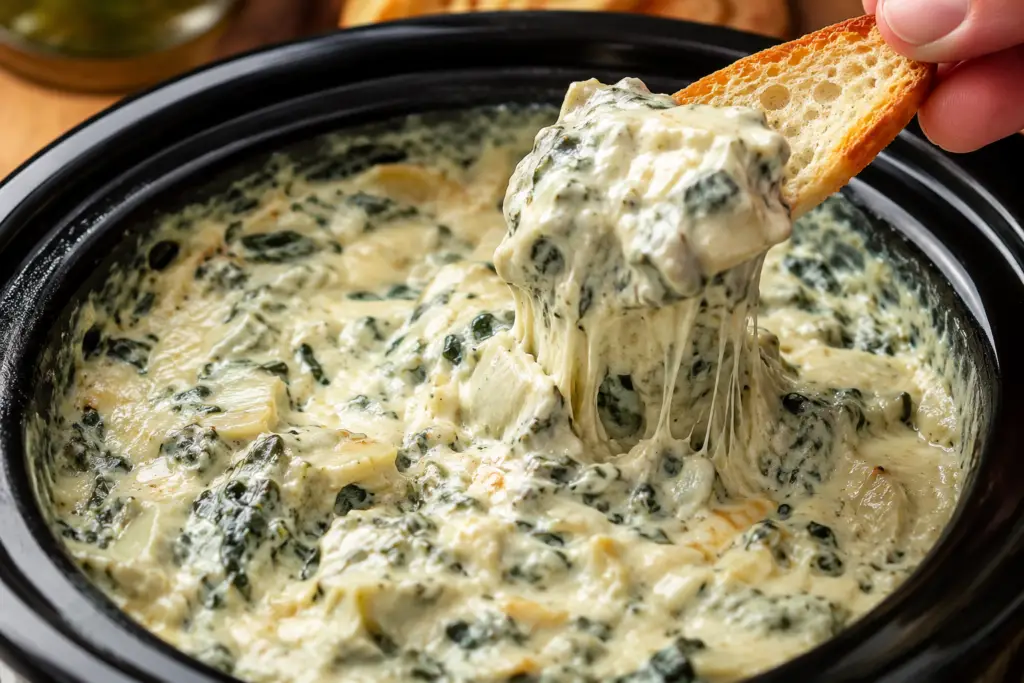
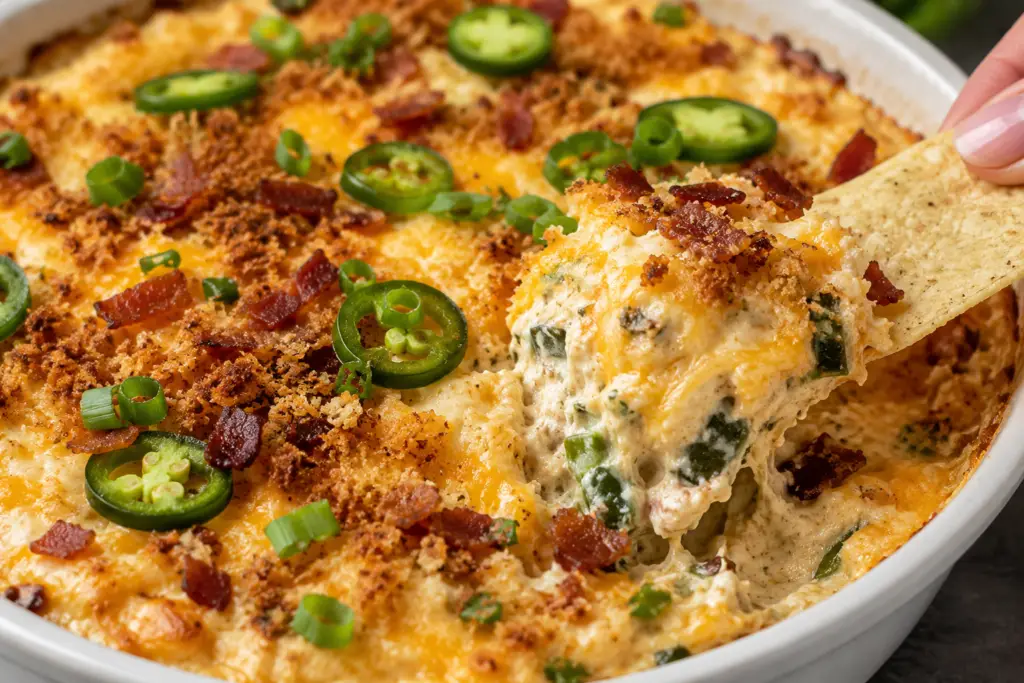
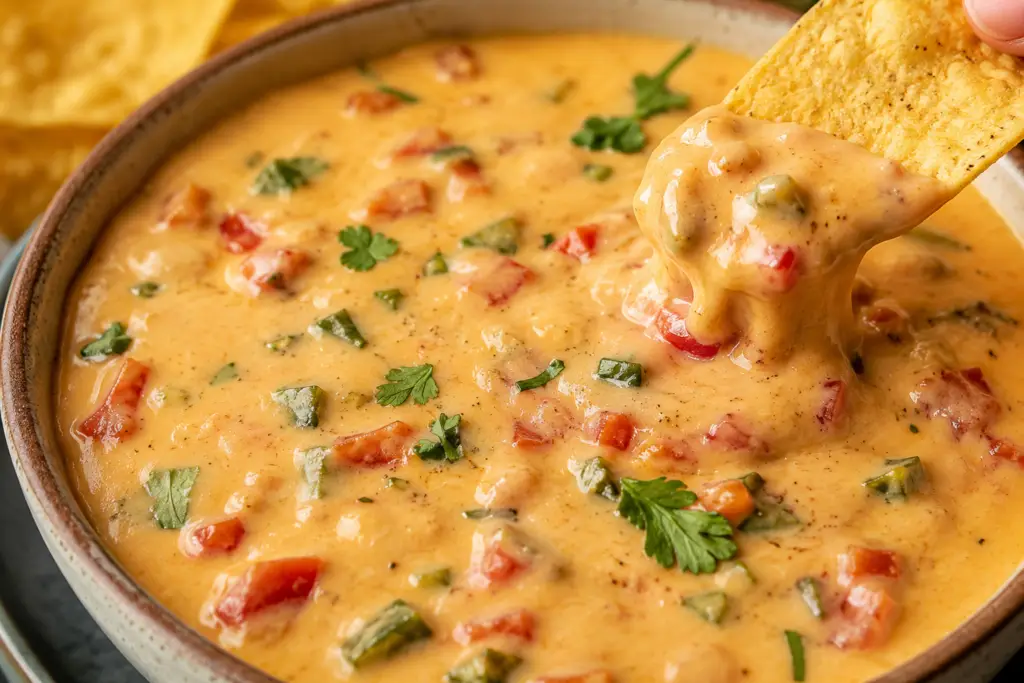
For savory cooking, cream cheese is the secret ingredient in most slow-cooker chicken dishes that produce restaurant-style creaminess without using actual cream. The fat content (33%) is high enough to add richness without separating in a slow-cooker environment. Healthy Slow Cooker Crack Chicken demonstrates the technique perfectly — a block of cream cheese added at the end of the cook melts into the chicken and creates a creamy sauce with no other dairy needed. The same principle works in mac and cheese, where a small amount of cream cheese stabilizes the sauce and prevents the broken-fat problem.
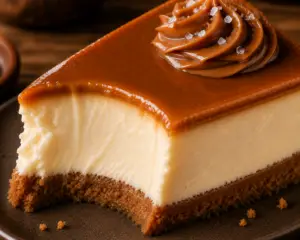
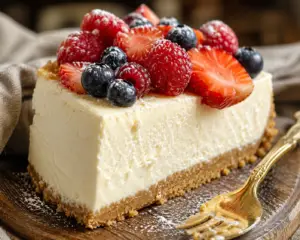
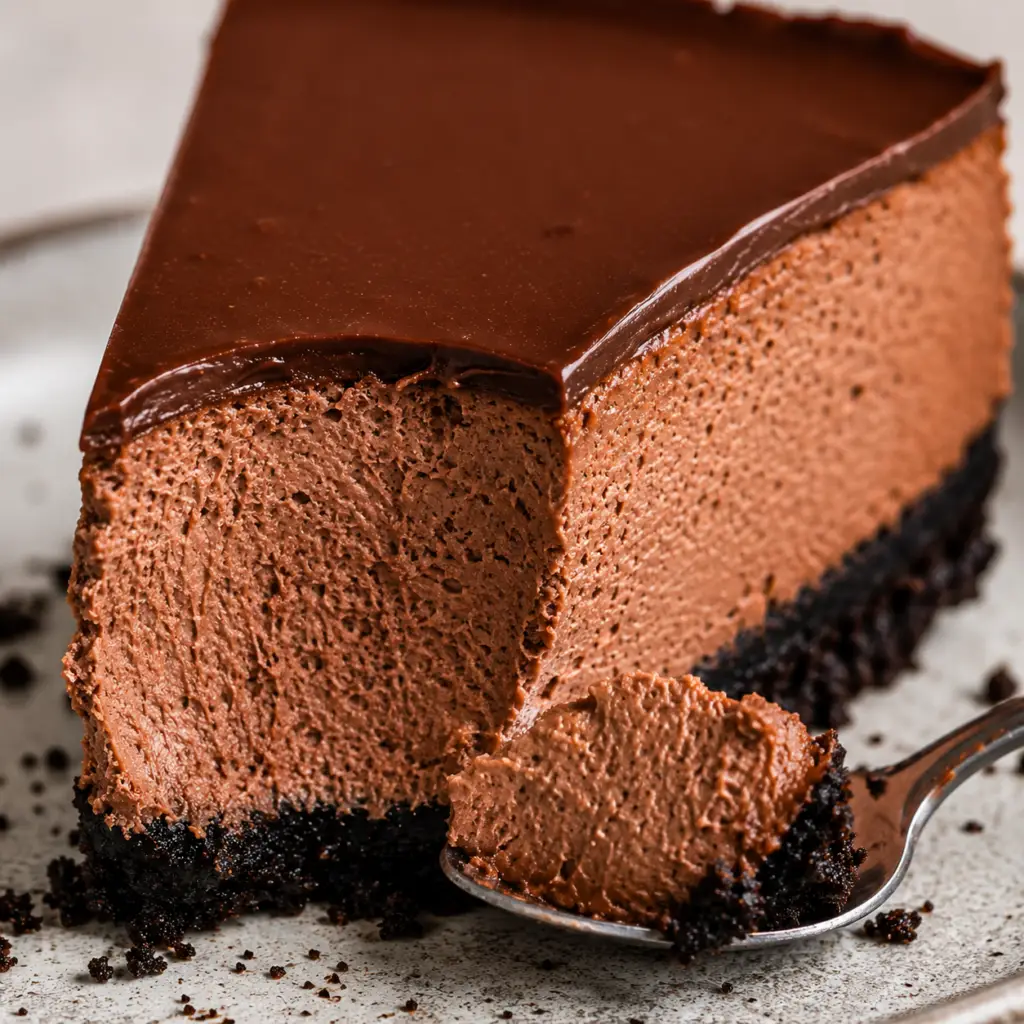
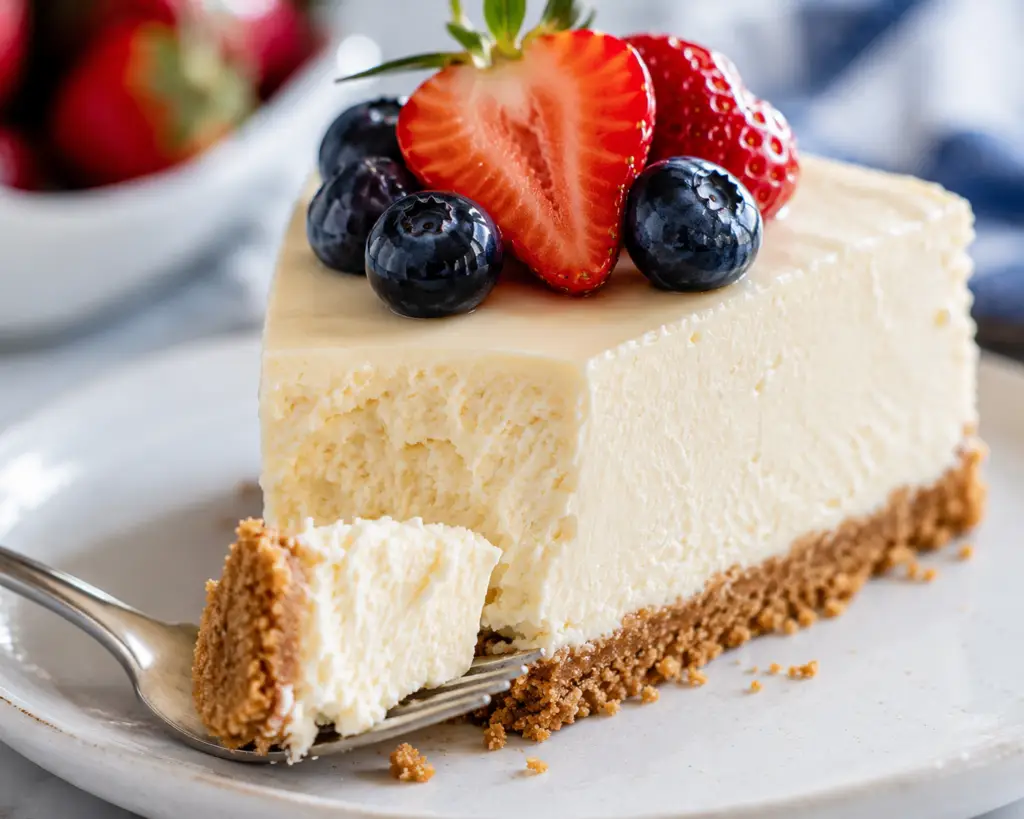
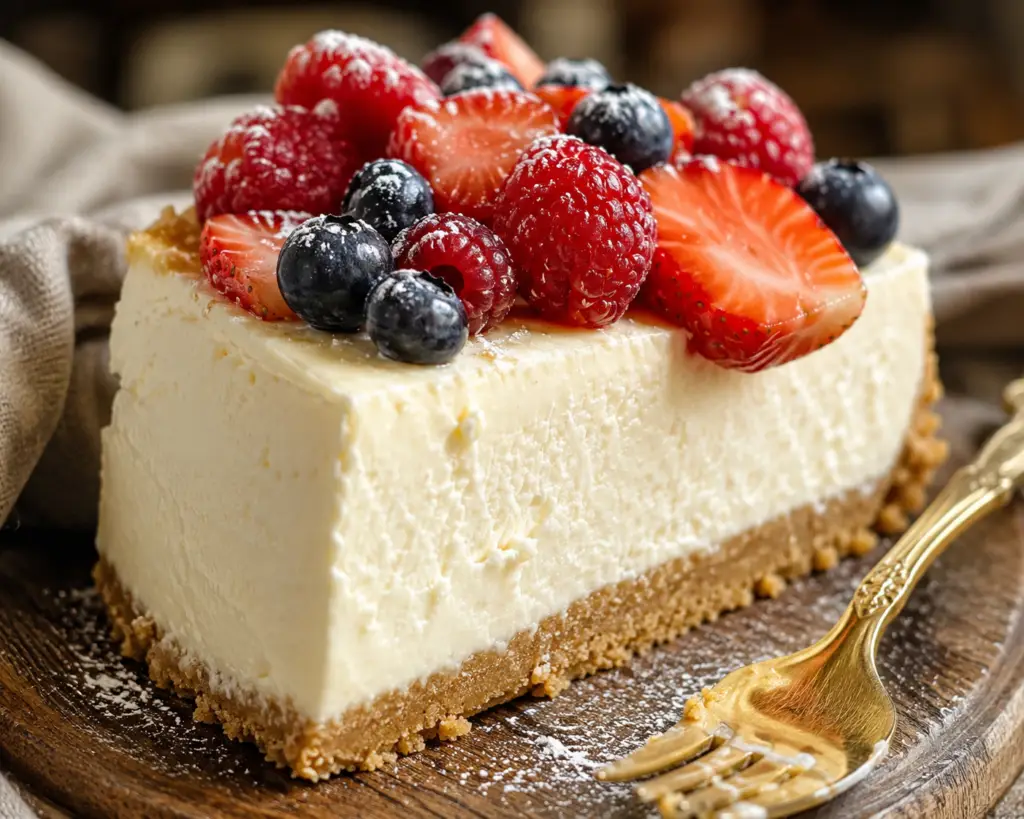
For cheesecakes specifically, the cream cheese needs to be at full room temperature before mixing — this is the difference between a smooth cheesecake and one with white lumps throughout the bake. Mix on low speed (not high), scrape the bowl frequently, and avoid incorporating air, which causes cracks on the surface during baking. Greek yogurt can replace a portion of the cream cheese in lighter cheesecakes for a tangier result, but the substitution maxes out at roughly 25% before the structure starts to break down. Past that point, the vanilla extract and other flavor components cannot compensate for the lost richness.