

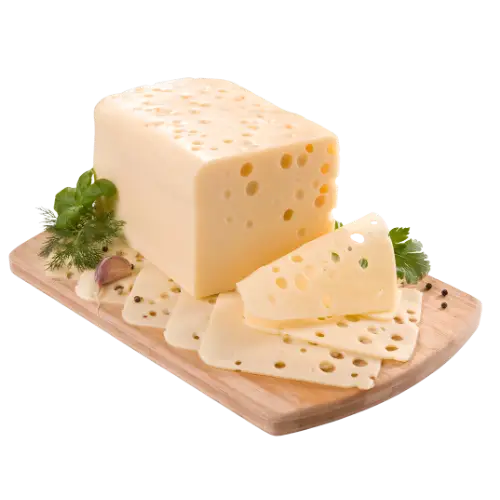
Swiss cheese is the mild, semi-hard cheese with characteristic large holes (eyes) and a nutty, slightly sweet flavor that melts smoothly into sauces and over baked dishes. The American grocery store “Swiss cheese” is typically Baby Swiss or Emmental-style; real imported Emmental and Gruyère are stronger-flavored variants of the same general cheese family. The reader favorite built on it is Chicken Cordon Bleu Casserole where Swiss cheese melts into the cream sauce that coats the chicken and ham, producing the signature flavor that defines this French-American comfort classic. Related tags include mozzarella cheese, parmesan cheese, and cheddar, the closely associated ingredients commonly paired with this one.

The Swiss cheese category covers several related varieties with different flavor intensities. American-style Swiss (Baby Swiss, deli Swiss) is the mildest, sweetest version, working well in sandwiches and dishes where the cheese should be present but not dominant. Emmental (the original Swiss cheese with the characteristic large holes) is moderately flavored, with a more pronounced nutty taste. Gruyère is the strongest of the common Swiss family, with deep nutty, slightly fruity flavor that works in fondue, French onion soup, and any dish where the cheese is meant to be the lead flavor. Recipes that specify a particular variety are doing so for a reason; substituting between them changes the finished dish meaningfully.
For melting applications, Swiss cheese behaves differently from cheddar or mozzarella cheese. Swiss melts smoothly into a glossy sauce at lower temperatures than cheddar, which makes it the right choice for cream-based pasta sauces, soufflés, and creamy chicken dishes. The lower melting temperature also means Swiss is more forgiving in casseroles where over-baking would break cheddar into a greasy texture. The technique is to add the Swiss cheese to a warm (not boiling) sauce or layer it into the casserole during the last 15-20 minutes of baking.
For sandwich and wrap applications, Swiss cheese is the standard for ham-based combinations (the classic French jambon-fromage sandwich, the American grilled ham and cheese, the breakfast egg-and-Swiss). The mild flavor balances the salty ham without competing, and the smooth melt produces the gooey filling that defines a great melted sandwich. Pairing Swiss with Dijon mustard (used in Gut Friendly Honey Mustard Dressing) and crusty bread produces the simplest version of the classic French preparation. For Reubens and corned beef sandwiches, Swiss is again the right choice because the strong corned beef needs a mild cheese counterpoint.
For storage, blocks of Swiss cheese keep 4-6 weeks refrigerated, wrapped in parchment paper inside an airtight container (NOT plastic wrap directly on the cheese, which can produce off-flavors and mold). Pre-shredded Swiss has a shorter shelf life and contains anti-caking agents that can affect melting performance; freshly shredding from a block produces noticeably better melts. Frozen Swiss cheese works in cooked applications but loses some texture for raw use. Pairing Swiss with thyme (seen in Cajun Chicken and Creamy Chicken Wild Rice Soup) in a quick cheese sauce produces the French-inspired finish that elevates a simple casserole or grilled protein into restaurant-style territory.
Swiss cheese is commonly melted into dishes like casseroles, sandwiches, and sauces. You can bake, grill, or melt it over foods to add a creamy texture and flavor.
Popular recipes include sandwiches, quiches, casseroles, pasta dishes, and cheese sauces. It is also commonly used in baked dishes and melts.
Common ingredients include swiss cheese, bread or pasta, meats like ham or chicken, vegetables, and seasonings depending on the dish.
Swiss cheese is best for melting in sandwiches, adding to casseroles, making sauces, and enhancing baked dishes with a creamy, nutty flavor.
Looking for more cheesy meal ideas? Explore our cheese recipes and mozzarella cheese recipes for more rich and melty inspiration.