Real Parmigiano Reggiano (DOP-certified, aged 24+ months) tastes dramatically different from pre-grated Parmesan in the green can. The aged version brings nutty, savory, slightly crystalline flavor that no domestic Parmesan can match. The cost difference is real (3-4x more expensive) but the flavor difference is also real, and a small amount of real Parmesan often delivers more impact than a larger amount of domestic. For Tuscan, Roman, and Northern Italian dishes where Parmesan is the lead flavor, splurge on the real thing. For weeknight pasta where the Parmesan is one of many ingredients, domestic works. Pairing high-quality Parmesan with heavy cream in a quick alfredo sauce shows the cheese at its best.
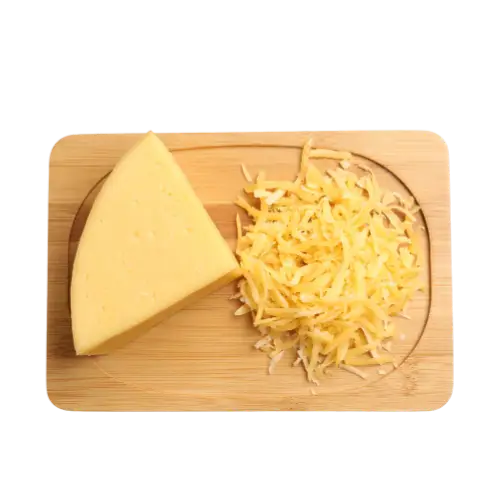
The pre-grated versus block question matters more than home cooks realize. Pre-grated Parmesan contains cellulose (an anti-clumping agent) and dries out faster, both of which reduce the melting performance. Block Parmesan grated fresh produces dramatically better melts in sauces, pasta dishes, and gratins. A microplane grater handles the grating in seconds and produces fluffy, airy grated Parmesan that melts and distributes more evenly than the pre-grated version. The Best Shepherds Pie demonstrates this clearly in the cheesy potato topping, where the freshly grated Parmesan melts into the mashed potatoes and creates the golden top crust during baking.
For melting and pasta applications, Parmesan needs to be added off heat or at low heat to prevent breaking. Adding Parmesan directly to boiling pasta sauce produces a grainy, broken mess; adding it to hot-but-not-boiling sauce produces the silky, glossy finish that distinguishes restaurant-style pasta from home versions. Crispy Baked Chicken Cutlets uses Parmesan in the breading mixture where the cheese provides both flavor and binding alongside parsley chopped finely into the dredge.
For broader Italian cooking, Parmesan is the cheese that gets passed at the table as well as the cheese that gets cooked into the dish. The Italian tradition is to never add cheese to seafood pasta dishes (Parmesan and shrimp are a culinary contradiction), but most other pasta benefits from a final grating at the table. The hard Parmesan rind is also useful. Save it in the freezer and add to soups and tomato sauces during the simmer for an extra umami layer. Across most Parmesan applications, oregano works as a complementary herb that pushes the dish in a Mediterranean direction without competing with the cheese’s nutty profile. On the site, recipes featuring this ingredient often appear alongside goat cheese and mozzarella cheese.