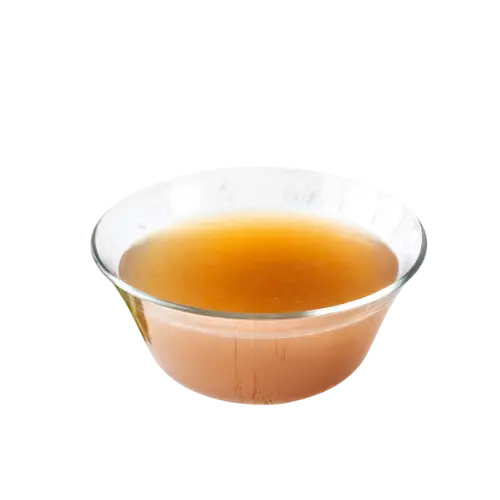
Beef broth and beef stock are not the same thing. Stock is made from bones (which release collagen and produce body); broth is made from meat (which produces flavor but no body). For braises and stews where the liquid will reduce significantly, stock is the better choice. For quick soups and pan sauces, broth works fine. Pairing the broth with thyme and bay leaves at the simmer is the French technique that builds depth without adding extra ingredients.
For homemade beef broth, the technique is straightforward: roast beef bones (marrow bones, oxtail, or short rib bones) at 425°F for 45 minutes until deeply browned. Transfer to a stockpot with onion, carrot, celery, garlic, and aromatics. Cover with cold water by 2 inches. Bring to a bare simmer and cook 6-8 hours, skimming foam occasionally. Strain through a fine-mesh strainer, cool, and refrigerate. The fat will solidify on top and can be skimmed off after chilling.
For French onion soup specifically, beef broth is the defining ingredient. The standard recipe is 6 cups of beef broth, 4 large onions caramelized over 45 minutes, a splash of garlic-infused olive oil, a glass of dry red wine, a sprig of thyme, and a slice of parmesan cheese-topped toasted bread floating on top. The broth quality determines whether the soup tastes deep and savory or thin and watery. Cutting corners on the broth defeats the purpose of the dish. Pairs naturally with chicken stock, chicken broth, and vegetable broth in many of the site’s recipes.
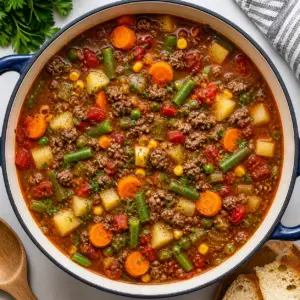
For braises and pot roasts, beef broth is the liquid that builds the gravy alongside reduced wine and pan drippings. The standard ratio is roughly 2 cups of broth per pound of meat for a 3-hour braise. salt levels matter here. Low-sodium broth is the safer starting point because you can always add salt at the end, but you cannot remove it. Ground Beef Vegetable Soup is one of the strongest applications for an opened carton, since the broth is the dominant liquid and any subtle quality differences come through clearly. Browse kosher salt, sea salt, and black pepper for closely related cooking applications.