
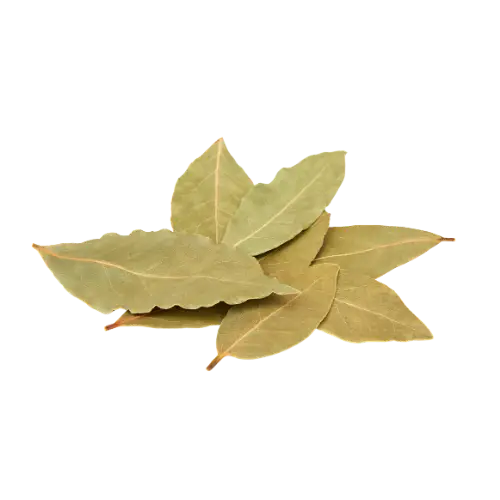
Bay leaves are the dried (sometimes fresh) leaves of the bay laurel tree, used whole in stews, soups, braises, beans, and tomato sauces. The flavor is subtle and herbaceous; you notice the absence of bay leaves more than their presence. Always remove before serving since the leaves are tough and unpleasant to chew. Bay-leaf-using favorites include Creamy Chicken Wild Rice Soup, Chicken Taco Soup, and Chicken Soup where the leaves simmer with the other ingredients for the full cooking time and contribute background herbal depth.

Mediterranean bay leaves (Laurus nobilis, the standard supermarket bay) and California bay leaves are not the same. California bays are stronger and more menthol-leaning; Mediterranean bays are subtler and rounder. For most recipes, the Mediterranean version is the default. California bay should be used in smaller quantities or avoided in delicate dishes.
Fresh bay leaves are noticeably more aromatic than dried, but most American recipes assume dried. Fresh bay can substitute 1:1 for dried but produces a more pronounced herbal note. Dried bay leaves keep their flavor 1-2 years in a sealed jar; the standard ‘snap to check freshness’ test (the leaf should break crisply, not bend) works on most kitchen jars older than 2 years.
The standard rule: 1-2 bay leaves per pot of stew or soup, added at the start of the cook. The long simmer (1-3 hours) extracts the slow-developing flavors that don’t release quickly. Always remove the leaves before serving; they’re tough and inedible. thyme alongside bay leaves is the foundational French herbal base for boeuf bourguignon and most braised dishes.
For tomato sauces, 1-2 bay leaves added during the long simmer add a subtle savory depth that’s hard to identify but noticeable when missing. The leaves go in with the garlic and simmer for the full 30-45 minutes. Remove before serving or storing. Same rule applies to slow-cooked beans, lentils, and rice pilafs. Other reader picks that build on bay leaves include The Best Ground Beef Chili and Halal Chicken and Rice. Browse thyme, oregano, and salt for closely related cooking applications.
Bay leaves are commonly used in soups, stews, sauces, rice dishes, braised meats, and slow-cooked recipes. They add a subtle depth of flavor during cooking.
Bay leaves are used to enhance flavor by adding a mild, herbal aroma. They help deepen the overall taste of a dish without overpowering other ingredients.
Bay leaves are sometimes used in traditional remedies and teas that may help soothe cough symptoms, but they are not a medical treatment.
Yes, bay leaves typically come from the bay laurel plant, so bay leaves and laurel leaves refer to the same type of leaf used in cooking.