Salt does more in cooking than most home cooks realize. It suppresses bitterness, brightens flavor, draws moisture out of vegetables and meats, controls yeast in bread doughs, and keeps butter from feeling flat in a cookie. Even recipes that lean hard on sugar still need it – leaving salt out of a chocolate chip cookie does not make it sweeter; it makes it taste hollow. The half-teaspoon most recipes call for is not optional. It is the difference between a flat bake and one that actually tastes finished.
In baking, salt goes in with the dry ingredients, right alongside the all-purpose flour and the leaveners. Too little and the bake tastes flat. Too much and the structure breaks down because salt slows gluten development and inhibits yeast. Most cookie, cake, and bread recipes here use a half-teaspoon to a full teaspoon per batch. A clean example is Easy Mini Pumpkin Pies, where the small amount of salt in the crust balances the warm-spiced filling and keeps it from reading candy-sweet. Skip it and the whole thing falls apart in flavor.
The same logic applies to sweet-and-salty finishes. A flaky pinch of salt on top of brownies, cookies, or caramel adds both a textural pop and a concentrated savory note in small bites, it is what makes The Ultimate S’more Cookie Bars taste like a real s’more instead of just very sweet chocolate. That finishing salt is different from the structural salt built into the dough. Both matter.
For savory cooking, salt is built in layers. Season the protein before it hits the pan, season the vegetables while they cook, then taste and adjust at the end. One big dump at the end never penetrates food the same way layering throughout does. The Best Roasted Tomato Soup is a clean demonstration of this, salt goes on the tomatoes before roasting (to draw out moisture and deepen flavor), again during the simmer alongside garlic and aromatics, and one final time before serving. Each addition does a different job.
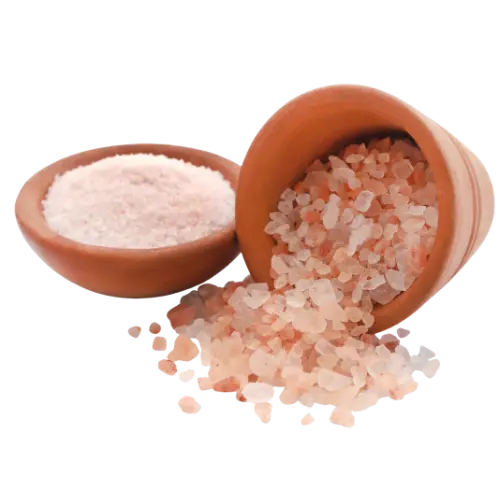
Salt also comes in forms that are not interchangeable by volume. A teaspoon of fine table salt is significantly saltier than a teaspoon of kosher or flaky sea salt because the crystals are denser. Every recipe here specifies which type to use. Swapping in a different form without adjusting the amount can throw off a dish more than any other single ingredient mistake. Check also the recipes that include sugar, all-purpose flour, and garlic, covering both sweet and savory baking and cooking foundations.