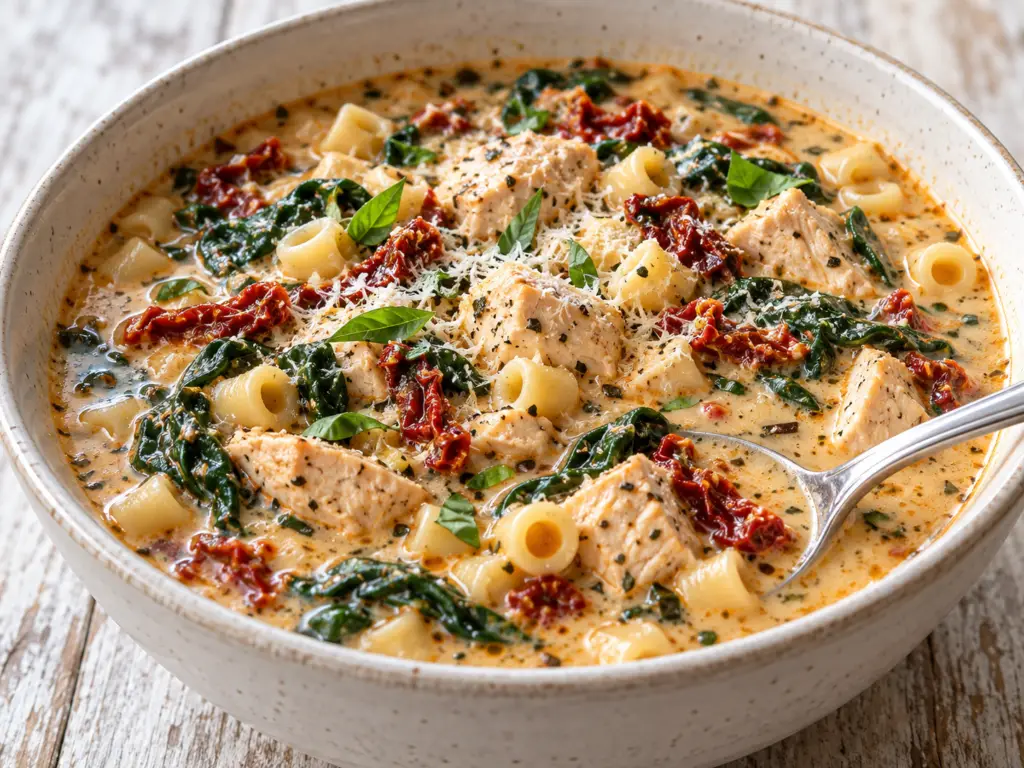
A thin, watery sauce can make an otherwise great meal feel unfinished. It slides off pasta, pools underneath meat, and leaves vegetables sitting in liquid instead of being coated in a rich, flavorful sauce.
The good news is that most thin sauces can be fixed. You may need cornstarch, flour, cream, butter, cheese, tomato paste, or simply a little more cooking time. The right choice depends on what you are making, how quickly you need to thicken it, and the texture you want.
This guide covers the best ways to thicken a sauce, including exact ratios, step-by-step directions, and tips for avoiding lumps. You will also learn which methods work best for gravy, pasta sauce, stir-fry sauce, soups, stews, and creamy pan sauces.
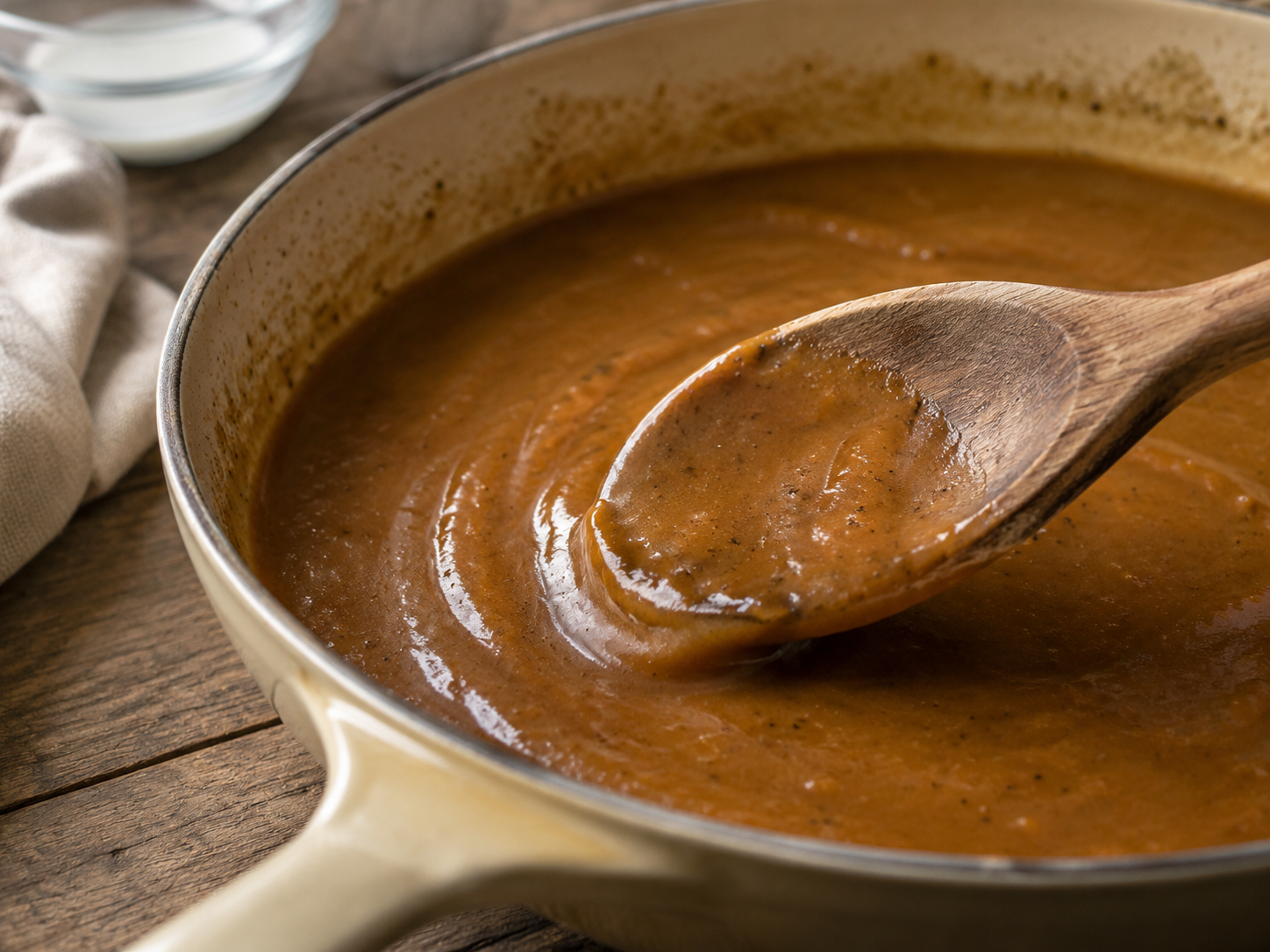
Quick Guide to Thickening Sauces
| Thickener | Amount to Start With | Best For | Gluten-Free |
|---|---|---|---|
| Cornstarch | 1 tablespoon per 1 cup liquid | Stir-fries, gravies, glossy sauces | Yes |
| All-purpose flour | 2 tablespoons per 1 cup liquid | Gravy, cream sauce, stew | No |
| Arrowroot powder | 1 tablespoon per 1 cup liquid | Fruit sauce, clear sauce, gravy | Yes |
| Tapioca starch | 1 tablespoon per 1 cup liquid | Pie filling, soup, stew | Yes |
| Potato starch | 1 tablespoon per 1 cup liquid | Soup, gravy, pan sauce | Yes |
| Heavy cream | ¼ to ½ cup | Pasta sauce, pan sauce | Yes |
| Butter | 1 to 2 tablespoons | Pan sauce, gravy, finishing sauces | Yes |
| Cream cheese | 2 to 4 tablespoons | Cream sauce, dip, soup | Usually |
| Tomato paste | 1 to 2 tablespoons | Tomato sauce, stew, chili | Yes |
| Egg yolk | 1 yolk per 1 cup liquid | Custard, creamy sauce | Yes |
| Pureed vegetables | ¼ to ½ cup | Soup, stew, pasta sauce | Yes |
| Reduction | Cook uncovered | Nearly any sauce | Yes |
These amounts are starting points. The final amount depends on how thin your sauce is and how thick you want it to become.
Why Is My Sauce Too Thin?
A sauce can turn out watery for several reasons:
- The liquid was not cooked long enough.
- The pan was covered, trapping steam and condensation.
- Frozen vegetables or meat released extra water.
- Too much broth, milk, wine, or water was added.
- The recipe did not include enough starch or fat.
- The sauce was served before it had time to cool slightly.
- A thickener was measured incorrectly.
- The sauce was boiled after adding an ingredient that can break, such as cream or cheese.
Before adding anything, give the sauce a few minutes to simmer. Many sauces thicken naturally as water evaporates.
How to Tell When a Sauce Is Thick Enough
One of the easiest tests is the back-of-the-spoon test. Dip a spoon into the sauce and turn it over. Run a finger through the sauce coating the spoon. If the line stays visible, the sauce is usually thick enough.
You can also watch how the sauce moves through the pan. A properly thickened sauce should flow slowly and coat the food instead of running directly to the bottom.
Keep in mind that many sauces continue to thicken as they cool. Stop cooking when the sauce is just slightly thinner than you want it to be at the table.
1. Reduce the Sauce
Reduction is the simplest way to thicken a sauce because it does not require an added thickener. You cook the sauce uncovered so excess water evaporates.
Reducing a sauce also concentrates its flavor. This makes it a good method for pan sauces, tomato sauce, gravy, wine sauce, and braising liquid.
How to reduce a sauce
- Pour the sauce into a wide pan.
- Bring it to a gentle simmer.
- Leave the pan uncovered.
- Stir every few minutes.
- Continue simmering until the sauce reaches your desired consistency.
A wide skillet works faster than a narrow saucepan because it exposes more of the liquid to the air.
When reduction works best
Reduction is a good choice when the sauce already tastes balanced but needs more body. It is less helpful when the sauce is already salty. As water evaporates, the salt and seasonings become stronger.
Taste the sauce as it reduces. If it is becoming too salty or intense, switch to another thickening method.
2. Make a Cornstarch Slurry
Cornstarch is one of the fastest ways to thicken sauce. It creates a smooth, glossy finish and works well in stir-fries, gravies, fruit sauces, and Asian-inspired sauces.
Never sprinkle dry cornstarch directly into hot sauce. It will form stubborn white lumps.
Cornstarch slurry ratio
Use:
- 1 tablespoon cornstarch
- 1 tablespoon cold water
- Enough slurry to thicken about 1 cup of liquid
For a lightly thickened sauce, begin with 1 to 2 teaspoons of cornstarch per cup of liquid.
How to thicken sauce with cornstarch
- Mix equal parts cornstarch and cold water in a small bowl.
- Stir until completely smooth.
- Bring the sauce to a gentle simmer.
- Slowly pour in the slurry while whisking.
- Simmer for about 30 seconds to 1 minute.
- Remove the sauce from the heat once it thickens.
Cornstarch needs heat to work, but prolonged boiling can cause the sauce to thin again. Add the slurry near the end of cooking.
3. Use a Flour Slurry
A flour slurry is made by mixing flour with cold water. It is a simple choice when you need to fix gravy, stew, or soup that is already cooking.
Flour produces a more opaque sauce than cornstarch. It also gives sauces a traditional, hearty texture.
Flour slurry ratio
Use:
- 2 tablespoons all-purpose flour
- ¼ cup cold water
- Enough slurry to thicken about 1 cup of liquid
How to make a flour slurry
- Add the flour and cold water to a jar with a tight lid.
- Shake until no lumps remain.
- Pour the mixture through a small strainer if needed.
- Slowly whisk it into the simmering sauce.
- Cook for 3 to 5 minutes to remove the raw flour taste.
Do not add flour directly to hot liquid. Always mix it with cold water first.
4. Make a Roux
A roux is a cooked mixture of equal parts flour and fat. Butter is the most common fat, but pan drippings, oil, or bacon fat can also be used.
Roux works well for:
- Gravy
- Cheese sauce
- Béchamel
- Cream sauce
- Gumbo
- Soup
- Stew
Basic roux ratio
For every 1 cup of liquid, use:
- 2 tablespoons butter
- 2 tablespoons all-purpose flour
How to make a roux
- Melt the butter in a saucepan over medium heat.
- Sprinkle in the flour.
- Whisk continuously for 1 to 2 minutes.
- Slowly add the liquid while whisking.
- Simmer until the sauce is smooth and thick.
A pale roux has more thickening power than a dark roux. The longer flour cooks, the more toasted its flavor becomes, but the less it thickens.
5. Add Beurre Manié
Beurre manié is a paste made from softened butter and flour. Unlike a roux, it is not cooked before being added to the sauce.
This method is handy when your sauce is nearly finished but still looks too thin.
How to make beurre manié
Mix together:
- 1 tablespoon softened butter
- 1 tablespoon all-purpose flour
Mash the ingredients into a smooth paste. Add small pieces of the paste to the simmering sauce while whisking. Allow each addition to melt before deciding whether you need more.
Cook the sauce for several minutes so the flour does not taste raw.
6. Thicken Sauce With Arrowroot Powder
Arrowroot powder is a gluten-free starch that makes sauces smooth and glossy. It works especially well in fruit sauces, clear gravies, glazes, and sauces that will be served immediately.
Arrowroot slurry ratio
Mix:
- 1 tablespoon arrowroot powder
- 1 tablespoon cold water
- Use for about 1 cup of liquid
Whisk the slurry into a hot sauce and cook only until thickened.
Arrowroot does not respond well to long cooking times. It can also create an unusual texture when mixed with some dairy products. Cornstarch, flour, or potato starch is often a better choice for creamy sauces.
7. Use Tapioca Starch
Tapioca starch, sometimes labeled tapioca flour, is another gluten-free option. It thickens quickly and gives sauces a glossy finish.
It works well in:
- Fruit pie filling
- Berry sauce
- Soup
- Stew
- Gluten-free gravy
Mix tapioca starch with cold water before adding it to a hot sauce. Start with 1 tablespoon of tapioca starch per cup of liquid.
Add it gradually. Too much tapioca starch can make a sauce feel stretchy or gummy.
8. Use Potato Starch
Potato starch thickens sauces quickly without adding much flavor. It works well for gravy, soup, pan sauces, and many gluten-free recipes.
Mix equal parts potato starch and cold water, then whisk the slurry into the hot sauce.
Avoid boiling the sauce for an extended time after adding potato starch. High heat can weaken its thickening power. Add it near the end and remove the pan from the heat once the sauce is ready.
9. Add Heavy Cream
Heavy cream thickens a sauce while making it richer and smoother. It is a natural fit for pasta sauce, chicken dishes, mushroom sauce, and creamy pan sauces.
How to thicken sauce with cream
- Bring the sauce to a gentle simmer.
- Add ¼ cup of heavy cream at a time.
- Stir and let the sauce simmer uncovered.
- Continue cooking until it lightly coats a spoon.
Heavy cream contains enough fat to handle gentle simmering, but a rolling boil can still cause problems. Keep the heat at low or medium-low after adding it.
Half-and-half and milk do not thicken as well because they contain more water and less fat. If you use either one, you may need flour or cornstarch too.
10. Add Cream Cheese
Cream cheese quickly gives a sauce a thick, creamy consistency. It works well in pasta sauces, soups, dips, casseroles, and skillet meals.
Cut softened cream cheese into small cubes and whisk it into the warm sauce. Start with 2 tablespoons, then add more as needed.
Full-fat cream cheese melts more smoothly than reduced-fat versions. Bring it to room temperature first to prevent small lumps.
Cream cheese adds a mild tang, so it may not fit every recipe. Taste the sauce before adding a large amount.
11. Add Sour Cream or Greek Yogurt
Sour cream and Greek yogurt can add body and tang to stroganoff, creamy soups, taco sauces, and pan sauces.
Both ingredients can curdle if they are added directly to boiling liquid.
How to add sour cream or yogurt without curdling
- Remove the sauce from direct heat.
- Place the sour cream or yogurt in a bowl.
- Whisk in a few spoonfuls of the warm sauce.
- Continue adding warm sauce until the mixture is no longer cold.
- Stir the tempered mixture back into the pan.
- Warm gently without boiling.
Full-fat products are usually less likely to separate.
12. Melt in Cheese
Cheese adds thickness, saltiness, and richness. It is a good choice for pasta sauce, cheese sauce, soup, casserole filling, and dips.
Freshly grated cheese melts more evenly than pre-shredded cheese. Packaged shredded cheese is often coated with powder to prevent clumping, which can make a sauce grainy.
Good melting cheeses include:
- Cheddar
- Parmesan
- Gruyère
- Monterey Jack
- Fontina
- Gouda
- Cream cheese
Lower the heat before adding cheese. Sprinkle it in gradually while stirring. Once it has melted, avoid boiling the sauce.
13. Finish the Sauce With Cold Butter
Butter can give a pan sauce a silkier texture and help it cling to meat or vegetables. This technique is often used after reducing broth, wine, or cooking juices.
Remove the pan from the heat and whisk in cold butter one small piece at a time. Start with 1 tablespoon and add another if needed.
Butter will not thicken a very watery sauce on its own. Reduce the sauce first, then use butter to finish it.
14. Use Egg Yolks
Egg yolks can thicken custards, creamy pasta sauces, lemon sauces, and other rich sauces. They create a smooth texture without using flour.
The yolks must be tempered so they do not scramble.
How to thicken sauce with egg yolks
- Whisk the egg yolks in a heat-safe bowl.
- Slowly whisk in a small amount of the warm sauce.
- Add another spoonful or two while whisking.
- Return the tempered yolk mixture to the pan.
- Cook over low heat, stirring constantly.
- Remove it from the heat as soon as it thickens.
Do not allow an egg-thickened sauce to boil.
15. Add Tomato Paste
Tomato paste can thicken tomato sauce, chili, soup, stew, and braised dishes. It also adds concentrated tomato flavor.
Start with 1 tablespoon. Cook the tomato paste in the pan for a minute or two before adding more liquid. This takes away some of its raw, sharp flavor.
Tomato paste is best when its flavor fits the dish. It is not the right choice for white gravy or delicate cream sauces.
16. Puree Some of the Sauce
Blending part of a chunky sauce or soup is an easy way to thicken it without adding flour, cornstarch, or cream.
This works particularly well for:
- Bean soup
- Lentil soup
- Potato soup
- Vegetable soup
- Chili
- Tomato sauce
- Squash sauce
Remove a cup or two of the mixture, blend until smooth, and stir it back into the pot. You can also use an immersion blender directly in the pot.
Be careful when blending hot liquids. Do not fill a countertop blender more than halfway, and leave room for steam to escape.
17. Add Pureed Vegetables
Cooked vegetables add thickness while keeping the sauce smooth and hearty. This works well when the vegetables match the flavor of the dish.
Good choices include:
- Potatoes
- Cauliflower
- Carrots
- Butternut squash
- Pumpkin
- Sweet potatoes
- Onions
- Roasted garlic
- White beans
Blend the cooked ingredient with a little sauce or broth, then stir the puree into the pan. Add a few spoonfuls at a time until you like the consistency.
18. Add Mashed Potatoes or Potato Flakes
Plain mashed potatoes and instant potato flakes can rescue a thin soup, stew, or gravy. Potato flakes work very quickly, so use a light hand.
Start with 1 teaspoon of potato flakes. Stir well and wait about a minute before adding more.
Choose unseasoned potato flakes when possible. Flavored products can add salt or seasonings that do not fit the recipe.
19. Use Beans or Lentils
Mashed beans and cooked lentils add body to soups, chili, curries, and savory sauces. White beans have a mild flavor and blend smoothly, while lentils produce a heartier texture.
Blend ¼ to ½ cup of cooked beans with a little broth. Stir the mixture into the sauce and simmer for several minutes.
This method is especially useful when you want to thicken a dish without dairy or gluten.
20. Add Breadcrumbs
Breadcrumbs absorb liquid and can thicken rustic sauces, meat sauces, soups, and some Mediterranean-style dishes.
Begin with 1 tablespoon of fine breadcrumbs. Stir them into the sauce and let it simmer for a few minutes before checking the texture.
Breadcrumbs will make the sauce less glossy and slightly more textured. They are best in hearty dishes where a perfectly smooth finish is not needed.
21. Use Ground Nuts or Nut Butter
Ground nuts and nut butter can thicken curries, mole-style sauces, stews, and savory sauces. They add richness along with a nutty flavor.
Try:
- Peanut butter
- Almond butter
- Cashew butter
- Ground almonds
- Ground cashews
- Tahini
Begin with 1 tablespoon and whisk until smooth. Make sure the flavor fits the rest of the dish, and keep food allergies in mind when serving others.
22. Add Coconut Milk or Coconut Cream
Full-fat coconut milk thickens as it simmers, while coconut cream provides an even richer result. Both work well in curry, soup, tropical sauces, and dairy-free recipes.
Add the coconut milk or cream and simmer uncovered over low to medium heat. Stir occasionally until the sauce reaches the right consistency.
Light coconut milk contains more water, so it will take longer to reduce.
23. Add a Small Amount of Xanthan Gum
Xanthan gum is a powerful gluten-free thickener. It is commonly used in gluten-free cooking and low-carb sauces.
A small amount goes a long way. Start with about ⅛ teaspoon per cup of sauce.
Sprinkle it in very slowly while whisking or blending. Adding too much at once can create clumps or give the sauce a slippery texture.
How to Thicken Gravy
For traditional gravy, use a roux or flour slurry. Cornstarch is a good option when you want a glossy gravy or need a gluten-free method.
If the gravy is only slightly thin, let it simmer uncovered for a few minutes before adding anything.
For one cup of gravy, start with one of these options:
- 1 tablespoon cornstarch mixed with 1 tablespoon cold water
- 2 tablespoons flour mixed with ¼ cup cold water
- 2 tablespoons butter cooked with 2 tablespoons flour
Add the thickener gradually. Gravy can go from thin to overly thick very quickly.
How to Thicken Pasta Sauce
The best method depends on the type of pasta sauce.
For tomato sauce:
- Simmer it uncovered.
- Add tomato paste.
- Blend part of the sauce.
- Add grated Parmesan.
- Stir in pureed vegetables.
For cream sauce:
- Simmer gently.
- Add heavy cream.
- Melt in cheese.
- Add cream cheese.
- Finish with cold butter.
Pasta water contains starch, but it does not always make sauce thicker on its own. It mainly helps the sauce and fat come together. Add only a splash at a time so you do not water down the finished dish.
How to Thicken Stir-Fry Sauce
Cornstarch is usually the best choice for stir-fry sauce because it works quickly and creates a glossy coating.
Mix 1 tablespoon cornstarch with 1 tablespoon cold water. Add the slurry near the end of cooking while the sauce is bubbling gently.
Stir constantly for 30 seconds to 1 minute. Remove the pan from the heat once the sauce coats the meat and vegetables.
How to Thicken Soup or Stew
You have several options for thickening soup and stew:
- Simmer uncovered.
- Add a cornstarch or flour slurry.
- Blend part of the soup.
- Mash some of the potatoes or beans.
- Add potato flakes.
- Stir in cream.
- Make a roux.
- Add pureed vegetables.
Choose a method that fits the texture of the dish. A smooth potato soup may benefit from blending, while beef stew may be better with flour or cornstarch.
How to Thicken a Sauce Without Flour or Cornstarch
If you do not want to use flour or cornstarch, try one of these methods:
- Reduce the sauce.
- Add heavy cream.
- Stir in cheese.
- Use an egg yolk.
- Blend part of the sauce.
- Add pureed vegetables.
- Mash beans or potatoes into the sauce.
- Add tomato paste.
- Whisk in nut butter.
- Use arrowroot, tapioca, or potato starch.
- Add a very small amount of xanthan gum.
The best option depends on the sauce. Tomato paste is perfect for chili but would taste out of place in a delicate lemon sauce.
How to Fix a Sauce That Is Too Thick
A sauce that becomes too thick is usually easier to fix than one that is too thin.
Add a small splash of liquid and stir well. Depending on the recipe, you can use:
- Water
- Broth
- Milk
- Cream
- Wine
- Tomato sauce
- Pasta water
- Coconut milk
Add only 1 tablespoon at a time. Let the sauce warm through before adding more.
Common Sauce-Thickening Mistakes
- Adding dry starch directly to hot sauce
Dry flour or cornstarch will clump as soon as it touches hot liquid. Mix starch with cold water before adding it.
- Adding too much thickener at once
Starches continue working as the sauce heats. Add a small amount, wait, and then decide whether you need more.
- Not cooking flour long enough
Flour needs a few minutes of cooking to lose its raw taste. Cornstarch works much faster.
- Boiling dairy-based sauces
High heat can cause dairy sauces to separate or become grainy. Use gentle heat after adding cream, yogurt, sour cream, or cheese.
- Forgetting that sauce thickens as it cools
A sauce that looks slightly thin in the pan may be perfect by the time it reaches the table.
- Reducing an already salty sauce
Reduction concentrates salt. Taste the sauce before simmering it for a long time.
- Using the wrong thickener
Not every thickener gives the same result. Cornstarch makes a sauce glossy, flour makes it opaque, and cream adds richness. Choose based on the final texture and flavor you want.
Tips for Smooth, Lump-Free Sauce
- Mix starch with cold liquid before adding it.
- Whisk continuously while pouring in a slurry.
- Add thickener gradually.
- Keep the sauce at a gentle simmer.
- Grate cheese from a block for smoother melting.
- Bring cream cheese to room temperature.
- Temper egg yolks, yogurt, and sour cream.
- Strain the sauce if small lumps remain.
- Blend the sauce briefly if the recipe allows it.
- Wait before adding more thickener.
More Cooking Guides to Try
If this sauce-thickening guide helped, these cooking and baking guides are also worth keeping nearby:
- Why Is My Ground Beef Watery?
- Why Is My Chicken Rubbery?
- How Long to Marinate Chicken for Maximum Flavor
- Buttermilk Substitute: 5 Easy Ways to Make It
- Every Type of Flour Explained
- Baking Measurement Conversion Chart
- Oven Temperature Conversion Chart
Before You Go
There is no single thickener that works for every sauce. Cornstarch is fast and glossy, flour gives gravy a familiar texture, cream adds richness, and reduction thickens without adding another ingredient.
Start with a small amount, keep the heat under control, and give the thickener time to work. It is much easier to add more than to rescue a sauce that has become too thick.