If you have ever wondered how long to marinate chicken, the answer depends on what cut of chicken you are using and what is actually in your marinade.
More time does not always mean more flavor.
In fact, leaving chicken in certain marinades for too long can work against you. A strongly acidic marinade can eventually change the texture of the outside of the chicken, while a short 15-minute soak may be all a thin chicken breast or tender needs for a quick weeknight dinner.
For most chicken recipes, 30 minutes to 12 hours is the sweet spot. Larger pieces and whole chickens can benefit from more time, while small or thin pieces usually need much less.
This guide breaks down exactly how long to marinate chicken breasts, thighs, wings, drumsticks, tenders, and whole chicken, plus what happens when you marinate chicken too long.
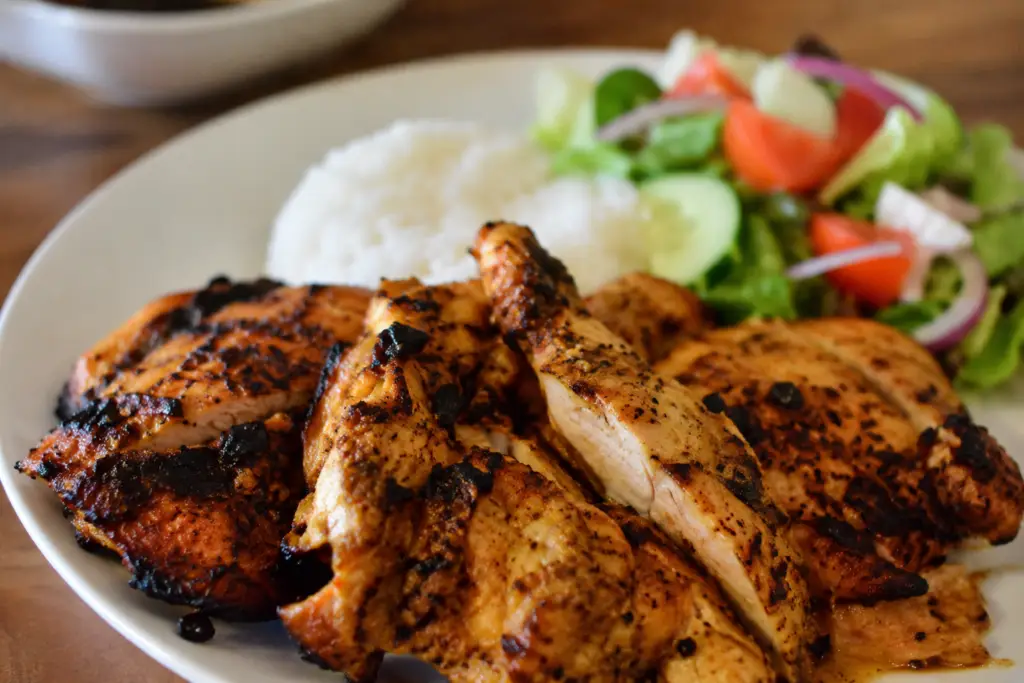
Quick Answer: How Long Should You Marinate Chicken?
Here is the easy answer if dinner is waiting:
| Chicken Cut | Minimum Time | Best Marinating Time | Maximum Suggested Time |
|---|---|---|---|
| Chicken tenders | 15 minutes | 30 minutes–2 hours | 4–6 hours |
| Thin chicken breasts | 30 minutes | 1–4 hours | 8–12 hours |
| Whole chicken breasts | 30 minutes | 2–6 hours | 12–24 hours |
| Boneless chicken thighs | 30 minutes | 2–8 hours | 24 hours |
| Bone-in chicken thighs | 1 hour | 4–12 hours | 24 hours |
| Chicken wings | 30 minutes | 2–12 hours | 24 hours |
| Drumsticks | 1 hour | 4–12 hours | 24 hours |
| Whole chicken | 4 hours | 8–12 hours | 24 hours |
These times can change depending on your marinade. Marinades containing a lot of lemon juice, lime juice, vinegar, or other acidic ingredients generally call for shorter marinating times.
What Does Marinating Chicken Actually Do?
A good chicken marinade does several jobs at once.
It seasons the outside of the chicken, adds flavor, helps the meat stay juicy during cooking, and creates a better surface for browning or caramelization.
Most marinades include some combination of:
- Oil
- Salt or a salty ingredient such as soy sauce
- Acid such as lemon juice, lime juice, yogurt, buttermilk, or vinegar
- Garlic, onion, herbs, spices, or seasonings
- A sweet ingredient such as honey or brown sugar, depending on the recipe
One thing worth knowing is that marinade does not travel all the way to the center of a thick piece of chicken in the way many of us imagine.
A lot of the flavor stays close to the surface. Salt can move farther into the meat over time, which is one reason a well-seasoned marinade can make such a difference.
That also explains why cutting chicken into smaller pieces can give you plenty of flavor without an overnight marinade.
How Long to Marinate Chicken Breast
For most chicken breasts, I like 2 to 6 hours.
If I am short on time, even 30 minutes can make a noticeable difference, especially if the breasts have been sliced thinner or pounded to an even thickness.
Boneless, skinless chicken breast is lean, so I do not automatically leave it in marinade overnight. When the marinade is highly acidic, several hours is usually plenty.
For a mild oil-and-herb marinade, you have more flexibility.
What About Thin-Sliced Chicken Breast?
Thin chicken breasts work quickly.
Marinate them for about 30 minutes to 4 hours.
Because there is more surface area in relation to the amount of meat, the chicken does not need to sit all day to pick up plenty of seasoning.
This is one of my favorite tricks for quick grilled chicken.
How Long to Marinate Chicken Thighs
Chicken thighs are much more forgiving.
For boneless chicken thighs, aim for 2 to 8 hours. Bone-in thighs can comfortably marinate for 4 to 12 hours.
You can often leave thighs overnight, particularly when using a less acidic marinade.
Their higher fat content helps them stay juicy, making thighs a great choice when you want to prep dinner the night before.
How Long to Marinate Chicken Wings
Chicken wings usually need about 2 to 12 hours for plenty of flavor.
You can cook them after just 30 minutes if necessary, but a few hours gives the seasonings more time to work.
For game day wings, I often find it easiest to prepare them the night before, refrigerate them, and cook the next day.
Just remember that the type of marinade still matters. If it contains a large amount of citrus juice or vinegar, I would lean toward the shorter end of the range.
How Long to Marinate Chicken Drumsticks
Drumsticks do well with a longer marinade because they are thicker and contain the bone.
Aim for 4 to 12 hours for the best balance of convenience and flavor.
If you are planning ahead, mix the chicken and marinade after dinner, refrigerate it overnight, and your drumsticks will be ready to cook the following day.
How Long to Marinate Chicken Tenders
Chicken tenders do not need much time at all.
About 30 minutes to 2 hours is usually enough.
Their small size means plenty of the chicken comes into contact with the marinade. You can go longer with a mild marinade, but there usually is not much reason to.
For a last-minute dinner, even 15 to 30 minutes can work.
How Long to Marinate a Whole Chicken
A whole chicken needs more time than individual pieces.
I recommend 8 to 12 hours, although you can start getting good results after about 4 hours.
Overnight is convenient because you can prep everything before bed and roast or grill the chicken the following day.
Try not to go much beyond 24 hours, particularly when using an acidic marinade.
Is 30 Minutes Long Enough to Marinate Chicken?
Yes.
If 30 minutes is all you have, use it.
Thirty minutes is particularly useful for:
- Chicken tenders
- Cubed chicken
- Thin-sliced breasts
- Chicken cutlets
- Small pieces for skewers
- Chicken for stir-fries or bowls
For thicker breasts, thighs, wings, and drumsticks, additional time can give the seasoning more opportunity to work.
But do not skip a marinade just because you forgot to start it that morning. A short marinade can still make dinner better.
Is 2 Hours Long Enough to Marinate Chicken?
For many chicken recipes, two hours is plenty.
It is a particularly good target for boneless chicken breasts, tenders, smaller thigh pieces, kebabs, and chopped chicken.
If I were looking for one practical marinating time for an everyday chicken dinner, two hours would be a very safe place to start.
Is It Better to Marinate Chicken Overnight?
Sometimes.
Overnight marinating works especially well for:
- Bone-in chicken thighs
- Drumsticks
- Wings
- Whole chicken
- Mild herb marinades
- Yogurt-based marinades
- Buttermilk marinades
It is not automatically better for thin chicken breasts or strongly acidic marinades.
If your marinade contains a lot of lemon juice, lime juice, or vinegar, eight hours may be far more time than the chicken needs.
Can You Marinate Chicken Too Long?
Yes, and this is one of the biggest mistakes people make with chicken marinades.
It is easy to assume:
More marinating time = more flavor.
That is not always how it works.
Acidic ingredients can change the proteins on the surface of the chicken. Given enough time, the exterior can develop an unpleasant soft or slightly mushy texture.
That does not mean acidic marinades are bad. Lemon chicken, yogurt-marinated chicken, and vinegar-based marinades can be delicious.
You simply need to pay attention to time.
How Long Is Too Long to Marinate Chicken?
As a general kitchen rule, I would avoid marinating raw chicken for longer than 24 hours unless a specific tested recipe directs you otherwise.
For heavily acidic marinades, the practical window can be much shorter.
Thin chicken with a strong citrus marinade might only need an hour or two, while chicken thighs in a mild yogurt marinade can comfortably sit much longer.
The ingredients matter just as much as the clock.
Acidic Marinades vs. Non-Acidic Marinades
This is where marinating times start to make much more sense.
Acidic Chicken Marinades
These may contain:
- Lemon juice
- Lime juice
- Vinegar
- Wine
- Some acidic dairy ingredients
Acidic marinades can add bright flavor, but I tend to use shorter marinating times with them.
For thin chicken, 30 minutes to 2 hours may be plenty.
For thicker pieces, 2 to 6 hours often works well, depending on how much acid is actually in the recipe.
Oil and Herb Marinades
An olive oil marinade with garlic, herbs, salt, pepper, and spices is much gentler.
These marinades are good candidates for longer refrigerator time.
Depending on the cut, 2 to 12 hours works well.
Yogurt Marinades
Yogurt is one of my favorite ingredients for chicken.
It coats the meat beautifully and works particularly well with spices, garlic, lemon, and Mediterranean-style seasonings.
Depending on the recipe and cut, chicken can often sit in a yogurt-based marinade for 4 to 12 hours.
Buttermilk Marinades
Buttermilk is another great choice, especially for fried, baked, or air-fried chicken.
Several hours or an overnight soak works well for many buttermilk chicken recipes.
Does Poking Holes in Chicken Help Marinade?
I generally skip this.
You do not need to stab chicken repeatedly to get a flavorful result.
Instead, try cutting thick breasts into thinner pieces, pounding them to an even thickness, or cutting chicken into chunks when the recipe allows.
You get more surface area for seasoning without unnecessarily damaging the meat.
Should You Cut Chicken Before Marinating?
It depends on how you plan to cook it.
If you are making chicken skewers, stir-fry, chicken bowls, wraps, tacos, or bite-sized chicken, cutting the chicken before marinating is a great idea.
Smaller pieces mean more surface area is exposed to the marinade.
They also need less marinating time.
That is especially handy when you are trying to get dinner on the table quickly.
The Best Basic Chicken Marinade
If you want one easy marinade that works for breasts, thighs, tenders, drumsticks, and grilled chicken, start here.
Ingredients
- 1/4 cup extra virgin olive oil
- 3 tablespoons fresh lemon juice
- 1 tablespoon soy sauce
- 1 tablespoon honey
- 3 garlic cloves, minced
- 1 teaspoon Dijon mustard
- 1 teaspoon smoked paprika
- 1 teaspoon onion powder
- 1 teaspoon dried oregano
- 1/2 teaspoon kosher salt
- 1/2 teaspoon black pepper
Instructions
Whisk the olive oil, lemon juice, soy sauce, honey, garlic, Dijon mustard, paprika, onion powder, oregano, salt, and pepper together.
Add the chicken to a resealable food-safe bag or covered container.
Pour the marinade over the chicken and turn the pieces until evenly coated.
Refrigerate for 30 minutes to 6 hours, depending on the size and cut of chicken.
Remove the chicken from the marinade and cook using your preferred method. Discard the used marinade unless you are going to boil it thoroughly before using it as a sauce.
How Much Marinade Do You Need Per Pound of Chicken?
You do not need to drown the chicken.
About 1/2 cup of marinade per pound of chicken is usually enough to coat everything well.
A resealable bag is particularly useful because you can distribute a smaller amount of marinade around the chicken instead of needing enough liquid to fill a large container.
Always Marinate Chicken in the Refrigerator
Raw chicken should always marinate in the refrigerator, not on the kitchen counter.
Keep it covered or sealed while it marinates.
This is one of those simple food-safety habits worth following every single time.
Can You Cook Chicken in the Marinade?
You can cook chicken with some of its marinade depending on the recipe and cooking method, but be careful with marinade that has been in contact with raw chicken.
Do not pour used raw-chicken marinade over your finished meal.
If you want extra marinade as a finishing sauce, the easiest option is to make additional marinade at the beginning and set that portion aside before it touches the raw chicken.
Can You Reuse Chicken Marinade?
Not as-is.
Once marinade has been in contact with raw chicken, treat it like raw chicken juices.
Do not use it as a dipping or finishing sauce without properly cooking it first.
For meal prep, I prefer making a larger batch and immediately dividing it. One portion goes onto the raw chicken, and the untouched portion stays refrigerated for another use.
Should You Pat Chicken Dry After Marinating?
Sometimes, yes.
If you want strong browning or crispy skin, remove excess marinade from the surface before cooking.
You do not have to wipe away every bit of seasoning. Just avoid transferring a pool of liquid directly into a hot skillet or onto a baking sheet.
This is especially helpful when searing chicken.
Too much surface moisture encourages steaming instead of browning.
Best Marinating Time Based on Cooking Method
Grilled Chicken
Marinate for 2 to 8 hours for most cuts.
Grilling works particularly well with marinades because the seasoned exterior can develop charred, caramelized spots.
Air Fryer Chicken
About 30 minutes to 4 hours is often enough.
Remove excess wet marinade before air frying so the chicken can brown properly.
Baked Chicken
Aim for 1 to 8 hours, depending on the cut.
Thighs and drumsticks can handle longer marinating times than thin breasts.
Pan-Seared Chicken
About 30 minutes to 4 hours works nicely.
Pat away excess moisture before placing the chicken into the hot pan.
Slow Cooker Chicken
You usually do not need an extremely long marinade because the chicken will spend plenty of time cooking in seasoned liquid or sauce.
If you do marinate it first, 30 minutes to 4 hours is generally enough for many recipes.
7 Mistakes to Avoid When Marinating Chicken
- Assuming longer is always better. Acidic marinades can affect the texture when left too long.
- Marinating chicken on the counter. Keep raw chicken refrigerated.
- Using too little seasoning. A marinade still needs enough salt, herbs, and spices to taste like something.
- Reusing raw marinade without cooking it. Keep a clean portion separate if you want sauce for serving.
- Putting soaking-wet chicken straight into a skillet. Excess liquid makes browning harder.
- Using the same marinating time for every cut. A tender and a drumstick do not need the same amount of time.
- Waiting for an overnight marinade when you only have 30 minutes. A short marinade is still worth doing.
My Favorite Shortcut for More Flavor Without More Time
When I do not have hours to marinate chicken, I change the size of the chicken rather than trying to force the process.
Slice breasts into cutlets, cut thighs into chunks, or cube chicken for skewers.
More exposed surface means more seasoning comes into contact with the chicken.
Then give it 30 minutes while you prepare the rest of dinner.
It is one of the easiest ways to make a quick marinade work harder without turning a weeknight meal into an all-day project.
How to Meal Prep Marinated Chicken
Marinated chicken is great for meal prep, but you do not necessarily want raw chicken sitting in an acidic marinade for several days.
Instead, portion your chicken and marinade ahead of time.
Cook the chicken within the recommended marinating window, or freeze the chicken with the marinade for a future meal.
You can make different flavors at once too. Try garlic herb, smoky BBQ, Greek-style yogurt, honey mustard, or lemon pepper so you are not eating the exact same chicken all week.
Can You Freeze Chicken in Marinade?
Yes.
Freezing chicken in marinade is one of my favorite ways to prep chicken ahead.
Place the raw chicken and marinade in a freezer-safe bag, remove excess air, label it, and freeze.
When you are ready to cook, thaw it safely in the refrigerator.
This works especially well when you buy chicken in larger packages and want to turn it into several future dinners at once.
How Do You Know When Marinated Chicken Is Done?
Marinating time and cooking time are two separate things.
No matter how long your chicken has been marinating, it still needs to be cooked to a safe internal temperature.
For chicken, the standard safe minimum internal temperature is 165°F, measured with a food thermometer in the appropriate thickest portion.
Keep in mind that thighs and drumsticks are often cooked beyond 165°F for a more tender texture.
More Chicken Recipes to Try
Once you have your chicken marinating, here are a few more chicken recipes from the blog to add to your dinner rotation. Whether you are craving something crispy, saucy, fresh, or easy enough for a weeknight, there is plenty to try.
- Chicken Shawarma Wrap: Juicy, seasoned chicken wrapped with fresh toppings and a creamy yogurt sauce. One of my favorites when I am craving Mediterranean-inspired flavors.
- Air Fryer Crispy Chicken Wrap: Crispy chicken without pulling out a pot of oil. Add your favorite toppings and sauce for an easy lunch or dinner.
- Buffalo Chicken Wrap: Spicy buffalo chicken, crunchy veggies, and a creamy finish all wrapped up in a tortilla.
- Chicken Caesar Wrap: A simple combination of chicken, crisp romaine, Parmesan, and Caesar dressing that always works.
- BBQ Chicken Wrap: Sweet and smoky BBQ chicken tucked into a soft tortilla with plenty of room for your favorite toppings.
- Southwest Chicken Wrap: Seasoned chicken with bold Southwest flavors for an easy meal-prep lunch or quick dinner.
- Chicken Salad Wrap: Creamy chicken salad wrapped with fresh, crunchy ingredients for a simple lunch you can prep ahead.
- Chicken Wing Marinade: If wings are on the menu, this easy marinade packs them with flavor before they hit the oven, air fryer, or grill.
- Chicken Wing Seasoning: Skip the wet marinade and use a flavorful dry seasoning blend when you want crispy, well-seasoned wings.
- Crispy Baked Chicken Wrap: All the crunch of crispy chicken without frying. Great for an easy family dinner or meal prep.
Final Takeaway
So, how long should you marinate chicken for maximum flavor?
For most everyday chicken recipes, start with 2 to 8 hours.
Use less time for thin breasts, tenders, and strongly acidic marinades. Give thighs, wings, drumsticks, and whole chicken more time when the marinade allows it.
And if you only have 30 minutes before dinner?
Marinate the chicken anyway.
Good seasoning, plenty of surface contact, and the right cooking method can do a lot in half an hour.