Why You’ll Love These Brown Butter Oatmeal Cookies
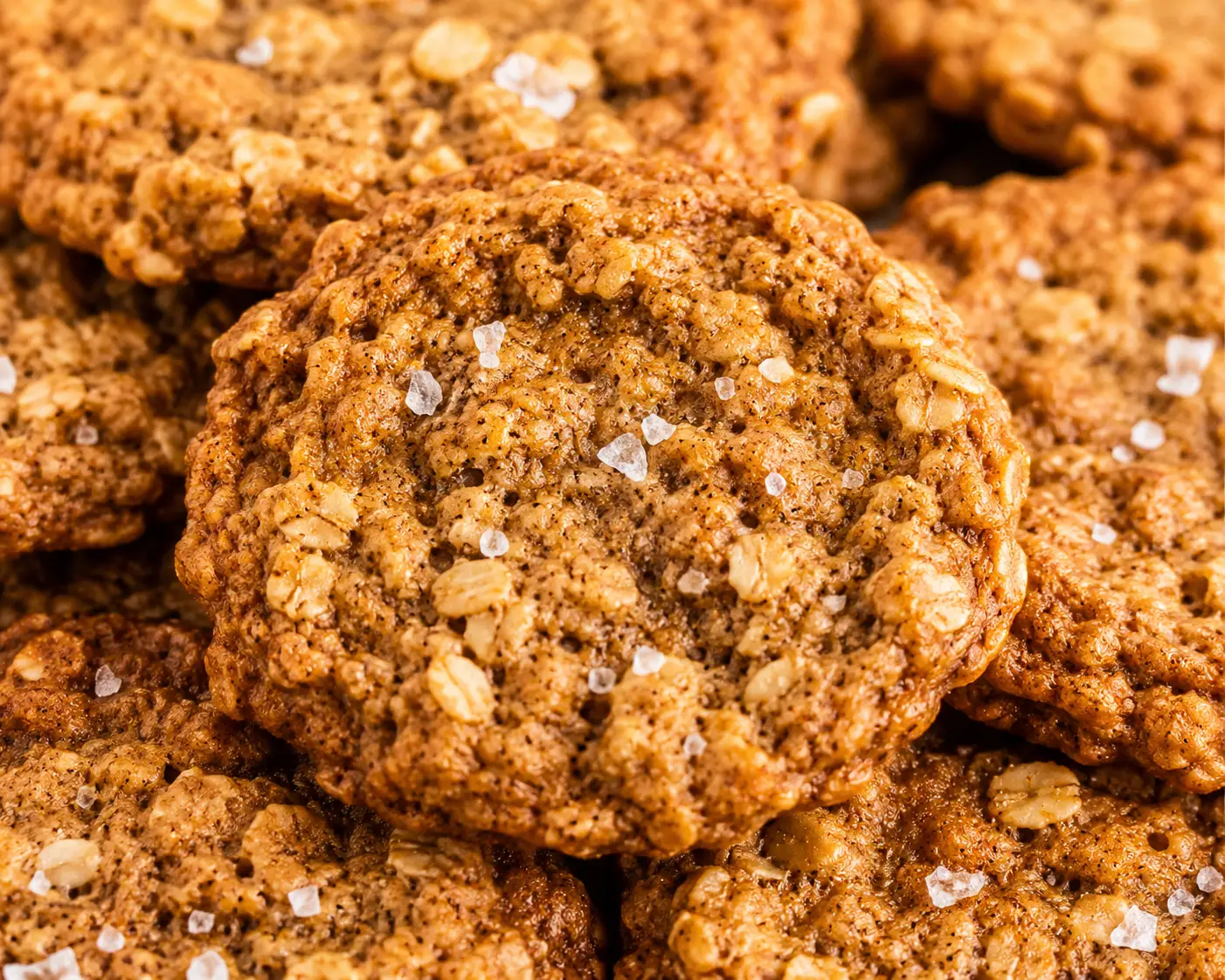
There are hundreds of oatmeal cookie recipes online, but this one focuses on what really matters: incredible flavor, a perfectly chewy texture, and reliable results every time.
Here’s why these cookies stand out:
- Rich brown butter adds deep caramel and toasted hazelnut flavor.
- A blend of cinnamon, nutmeg, cloves, and vanilla creates cozy bakery-style warmth.
- Dark brown sugar keeps every cookie soft and moist for days.
- Old-fashioned rolled oats provide hearty texture without becoming dry.
- Flaky sea salt enhances every buttery bite.
- Slightly crisp edges give way to thick, chewy centers.
- Easy pantry ingredients make this recipe approachable any time of year.
- The dough freezes beautifully, making fresh cookies just minutes away whenever a craving strikes.
These cookies are just as perfect for holiday cookie trays as they are for everyday baking.
What Makes This Recipe Different?
The secret isn’t simply adding more cinnamon or extra oats—it’s building flavor at every step.
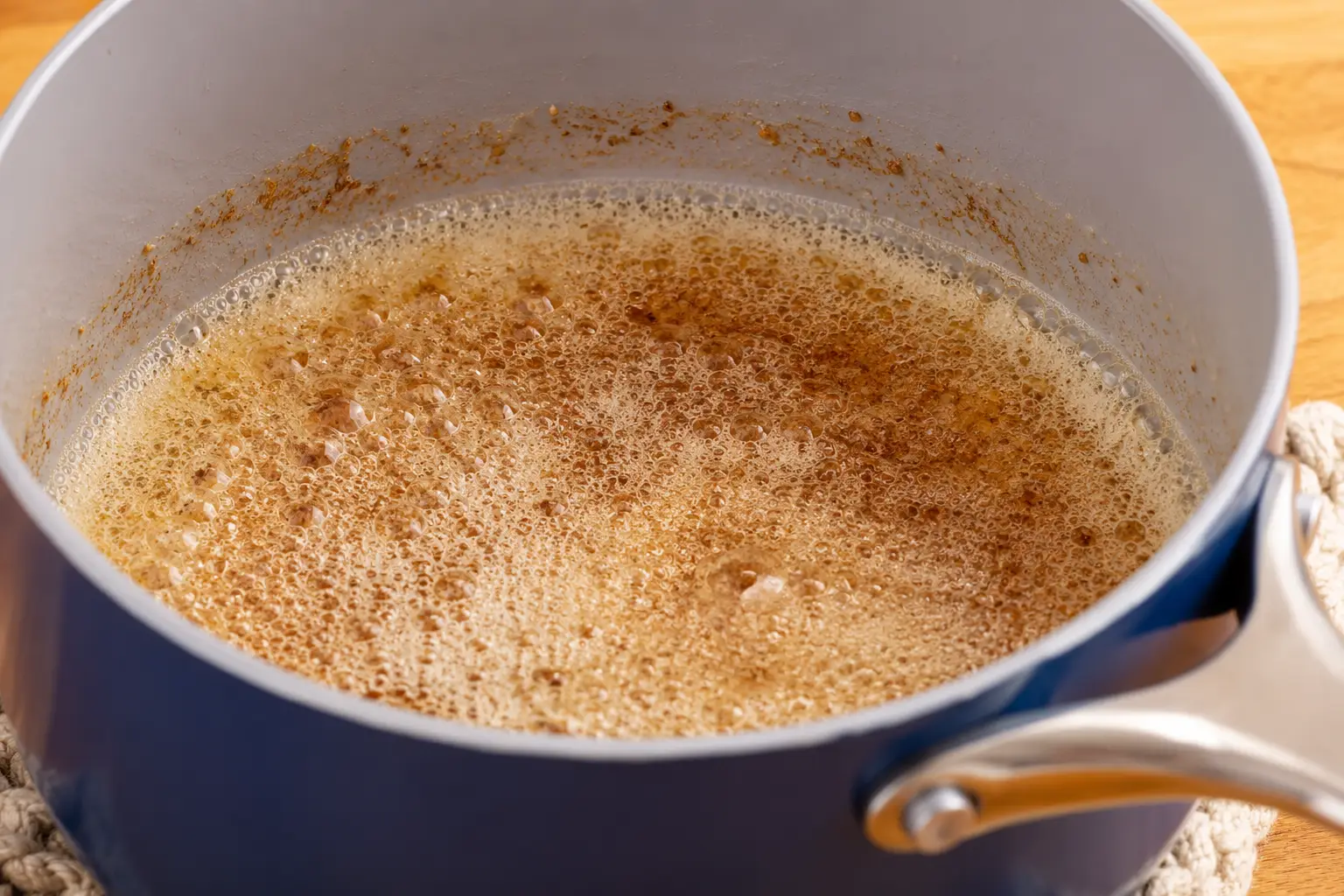
Instead of melting butter, we take a few extra minutes to brown it. As the milk solids toast, the butter develops a rich, nutty aroma that adds incredible depth to the finished cookies. It’s one of those small techniques that delivers a big payoff.
Next comes the spice blend. Rather than relying solely on cinnamon, this recipe layers in a touch of freshly grated nutmeg and a tiny pinch of cloves. The spices don’t overpower the cookies—they simply enhance the natural sweetness of the oats and brown sugar.
A generous splash of vanilla (or vanilla bean paste, if you have it) rounds everything out with warm, aromatic flavor.
Finally, just before baking, a light sprinkle of flaky sea salt transforms these from good cookies into bakery-worthy cookies. The salt brightens the caramel notes from the brown butter and balances the sweetness without making the cookies taste salty.
These small details work together to create a cookie that’s rich, cozy, and unforgettable.
A Brief History of Oatmeal Cookies
Oatmeal cookies have been a beloved staple in home kitchens for well over a century. Their popularity grew in the late 1800s and early 1900s as rolled oats became more widely available. Oats were celebrated as an affordable, wholesome pantry ingredient that added heartiness and nutrition to baked goods while creating a wonderfully chewy texture.
As oatmeal cookies evolved, home bakers began adding raisins, nuts, molasses, cinnamon, and other warm spices to create family recipes passed down through generations. Today, oatmeal cookies remain one of the most versatile cookies you can bake. Some versions are crisp and buttery, while others are thick and soft, loaded with chocolate chips or dried fruit.
This recipe leans into everything people love about the classic while introducing a few modern bakery techniques—like browned butter and a finishing sprinkle of flaky sea salt—to create a cookie that’s deeply flavorful, wonderfully chewy, and impossible to resist.
Ingredient Spotlight
- Unsalted Butter (1 cup): Browned in a light-colored saucepan until the milk solids turn golden and the butter smells nutty and toasted. This is the flavor foundation of the entire cookie. Use a light-colored pan so you can see the color of the milk solids clearly and catch them at exactly the right moment.
- Dark Brown Sugar (1 cup, packed): Higher molasses content than light brown sugar means deeper, richer flavor and more moisture retention in the finished cookie, keeping them soft for days.
- Granulated Sugar (1/2 cup): Adds extra sweetness and contributes to the lightly crisp edges that contrast with the chewy centers.
- Large Eggs (2), room temperature: One whole egg plus one egg yolk adds richness and tenderness without making the cookie cakey. Room-temperature eggs incorporate more smoothly into the browned butter base.
- Vanilla Extract (2 teaspoons): Use pure vanilla extract generously. It is essential to the warm, bakery-style flavor that makes these cookies taste elevated.
- All-Purpose Flour (2 cups): Provides structure. Spoon and level when measuring — never scoop directly from the bag.
- Baking Soda (1 teaspoon): Helps the cookies spread just enough and develop lightly golden edges.
- Baking Powder (1/2 teaspoon): Works alongside the baking soda for a slightly lighter, more tender texture.
- Salt (1 teaspoon): Balances the sweetness and makes the brown butter and spice flavors pop. Finish each cookie with flaky sea salt before baking for a bakery-quality presentation.
- Ground Cinnamon (2 teaspoons), Nutmeg (1/2 teaspoon), Cloves (pinch), Cardamom (1/4 teaspoon, optional): The warm spice blend that defines these cookies. Freshly grated nutmeg is noticeably better than pre-ground.
- Rolled Oats, old-fashioned (3 cups): Provide the hearty, chewy texture that defines an oatmeal cookie. Do not substitute quick oats — they absorb moisture faster and produce a softer, less distinct texture and less chew.
The Cozy Spice Blend
While cinnamon is the classic choice for oatmeal cookies, adding a few complementary spices creates a richer, more nuanced flavor.
This recipe uses:
- Ground cinnamon for warmth and sweetness
- Freshly grated nutmeg for subtle depth
- A tiny pinch of ground cloves for richness
- Optional ground cardamom for a delicate bakery-style twist
Together, these spices create an inviting aroma that fills your kitchen and makes every bite taste comforting and homemade. The key is balance—you want the spices to enhance the oats and butter rather than overpower them.
Why Brown Butter Is Worth the Extra Five Minutes
If you’ve never baked with brown butter before, you’re in for a treat. As butter melts and cooks, the milk solids caramelize, creating a rich, nutty flavor that pairs beautifully with oats, brown sugar, cinnamon, and vanilla.
A few tips for success:
- Use a light-colored pan so you can easily monitor the color.
- Stir continuously once the butter begins to foam.
- Remove it from the heat as soon as the milk solids turn golden brown and smell toasted.
- Let the butter cool slightly before mixing it with the sugars to prevent scrambling the eggs later.
This simple step adds remarkable flavor with almost no extra effort.
Expert Tips for Perfect Oatmeal Cookies Every Time
Even the best cookie recipe can benefit from a few professional baking techniques. These simple tips make the difference between good oatmeal cookies and cookies that taste like they came straight from your favorite bakery.
1. Brown the Butter—Don’t Skip It
Brown butter transforms an ordinary cookie into something unforgettable. As the butter cooks, the milk solids caramelize, creating a deep, nutty flavor that complements the oats, cinnamon, and brown sugar beautifully.
Watch the butter carefully during the last minute. Once you smell a rich, toasted aroma and see golden brown specks at the bottom of the pan, remove it from the heat immediately to prevent burning.
2. Let the Brown Butter Cool Slightly
Adding eggs to hot butter can partially cook them, creating an uneven dough.
Allow the browned butter to cool for about 10–15 minutes before mixing it with the sugars. It should still be warm but no longer steaming.
3. Measure Flour Correctly
One of the biggest reasons oatmeal cookies become dry is using too much flour.
For the most accurate results:
- Weigh your flour with a kitchen scale whenever possible.
- If measuring cups are your only option, fluff the flour first, spoon it into the measuring cup, and level it with a knife.
- Never scoop directly into the flour bag.
Even an extra few tablespoons can completely change the texture of your cookies.
4. Use Room Temperature Eggs
Room temperature eggs blend more evenly into the dough, helping create a smooth batter and more consistent texture.
Forgot to set them out? Place the eggs in warm (not hot) water for about 10 minutes.
5. Don’t Overmix the Dough
Once the flour is added, mix only until no dry streaks remain.
Overmixing develops gluten, which can make cookies tougher instead of soft and tender.
6. Chill the Dough
This may be the most important step for thick bakery-style cookies.
Chilling the dough for at least 30 minutes:
- prevents excessive spreading
- deepens flavor
- hydrates the oats
- creates thicker cookies
- improves chewiness
If you have time, chilling overnight develops even richer flavor.
7. Scoop Equal Portions
Use a large cookie scoop (about 2½–3 tablespoons) so every cookie bakes evenly.
Uniform cookies also create a much prettier presentation.
8. Give Cookies Plenty of Space
Bake only 6–8 cookies per baking sheet.
Crowding traps heat and steam, leading to uneven baking and cookies that spread into one another.
9. Underbake Slightly
The cookies should look:
- lightly golden around the edges
- soft in the center
- slightly underdone in the very middle
This is exactly what you want.
10. Let Them Rest on the Baking Sheet
This is the secret most home bakers overlook.
Once the cookies come out of the oven, leave them on the hot baking sheet for at least 3–5 minutes before transferring them to a cooling rack.
The residual heat gently finishes baking the centers without overcooking the edges. This creates cookies that stay incredibly soft and chewy for days instead of drying out.
If you move them immediately, the centers may collapse or feel underbaked.
Patience really pays off here.
11. Finish with Flaky Sea Salt
Just before baking—or immediately after the cookies come out of the oven—sprinkle each cookie with a pinch of flaky sea salt.
This simple bakery trick enhances every flavor in the cookie and balances the sweetness beautifully.
Step-by-Step Instructions
- Step 1 — Brown the Butter: Melt 1 cup of unsalted butter in a light-colored saucepan over medium heat, stirring frequently. The butter will foam, then subside, and the milk solids at the bottom will begin to turn golden brown and smell nutty. As soon as the solids are golden and fragrant, remove from heat immediately and pour into a large heatproof mixing bowl. Cool for 10 to 15 minutes.
- Step 2 — Mix the Wet Ingredients: Whisk the dark brown sugar and granulated sugar into the cooled brown butter until smooth and glossy. Add the eggs one at a time, mixing well after each addition. Stir in the vanilla extract.
- Step 3 — Combine the Dry Ingredients: In a separate bowl, whisk together the flour, baking soda, baking powder, salt, cinnamon, nutmeg, cloves, and cardamom.
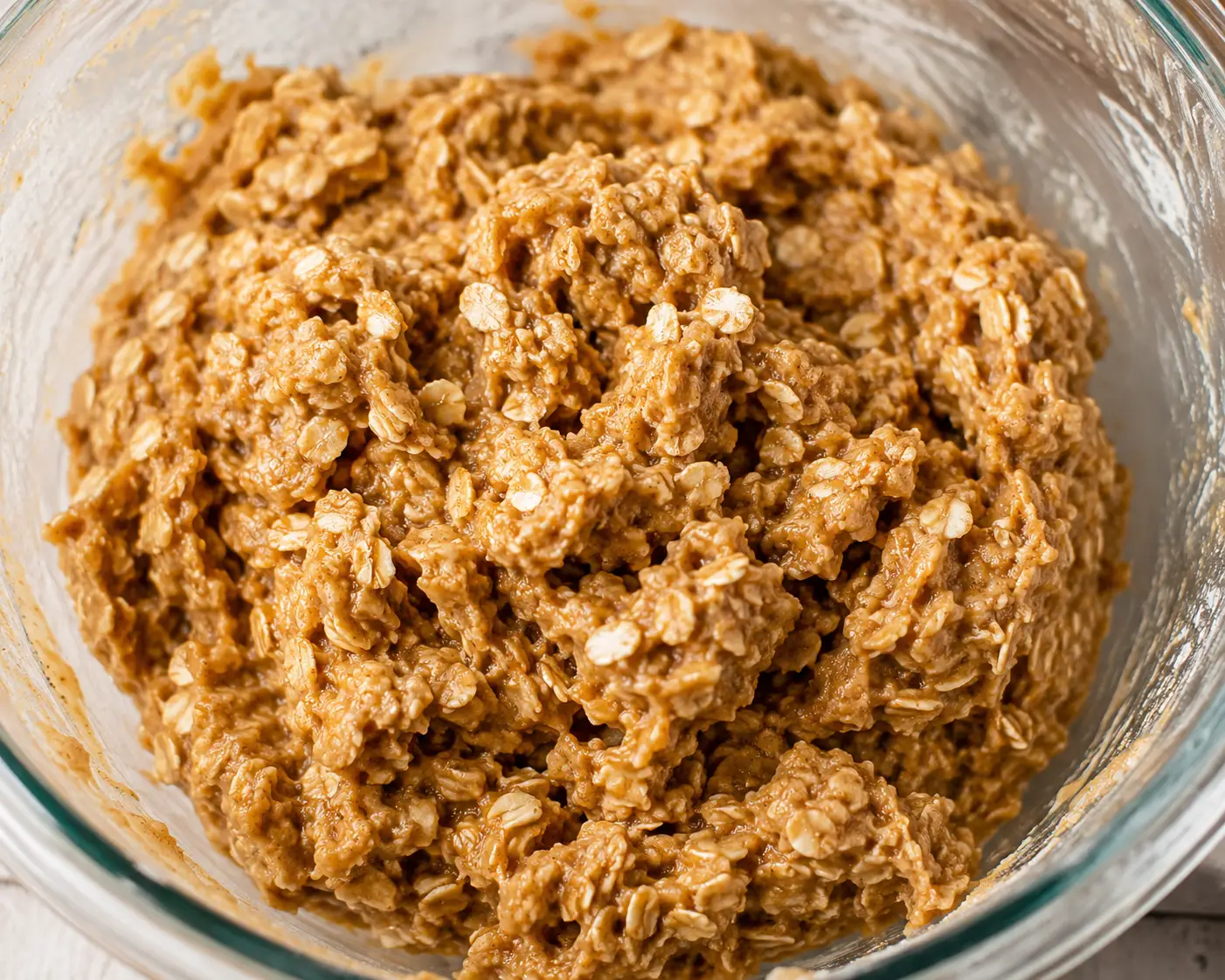
- Step 4 — Fold Together: Gradually fold the dry ingredients into the wet ingredients using a rubber spatula until just combined. Fold in the rolled oats and any optional mix-ins until evenly distributed. Do not overmix.
- Step 5 — Chill the Dough: Cover the dough and refrigerate for at least 30 minutes. Chilling allows the oats to hydrate, thickens the dough for better scooping, and deepens the flavor. Up to 24 hours in the fridge produces the best-tasting cookies.
- Step 6 — Bake: Preheat the oven to 350 degrees F. Line baking sheets with parchment paper. Using a large cookie scoop (about 2 1/2 tablespoons), portion the dough onto the sheets, leaving about 3 inches between each cookie. Sprinkle each dough ball lightly with flaky sea salt. Bake for 10 to 12 minutes until the edges are lightly golden while the centers still look slightly underbaked.
- Step 7 — Rest on the Pan: Allow the cookies to rest on the hot baking sheet for 3 to 5 minutes before transferring to a wire rack. This residual heat finishes the bake and keeps the centers perfectly chewy. Do not skip this step.
Common Mistakes to Avoid
Even experienced bakers occasionally run into cookie problems. Here’s how to avoid the most common issues.
My cookies spread too much.
Possible causes:
- Butter was too warm.
- Dough wasn’t chilled.
- Too little flour.
- Baking sheet was still warm from a previous batch.
My cookies didn’t spread.
Possible causes:
- Too much flour.
- Dough chilled too long.
- Oven temperature too low.
My cookies are dry.
Usually caused by:
- overbaking
- too much flour
- measuring oats incorrectly
Remember, cookies continue baking after leaving the oven.
My cookies are cakey.
Likely causes:
- too much flour
- too many eggs
- not enough butter
- overmixing
My cookies are hard the next day.
This often happens because they were baked a minute or two too long.
Slightly underbaking creates cookies that stay soft for several days.
Recipe Variations
One of my favorite things about oatmeal cookies is how customizable they are. Once you master this base recipe, you can create endless flavor combinations.
Chocolate Chip Oatmeal Cookies
Fold in 1½ cups semi-sweet or dark chocolate chips for a classic combination that pairs beautifully with the browned butter.
Oatmeal Raisin Cookies
Stir in 1 cup raisins or golden raisins. Soaking them in warm water for 10 minutes before adding helps keep them extra plump and juicy.
Maple Pecan Oatmeal Cookies
Replace a teaspoon of vanilla with maple extract and fold in chopped toasted pecans for a cozy fall-inspired variation.
White Chocolate Cranberry Oatmeal Cookies
Add dried cranberries and white chocolate chips for a festive holiday cookie that’s perfect for cookie exchanges.
Apple Cinnamon Oatmeal Cookies
Fold in finely diced dried apples with an extra pinch of cinnamon for an autumn twist that tastes like apple crisp in cookie form.
Espresso Chocolate Chunk
Add 1 teaspoon espresso powder and chopped dark chocolate to enhance the caramel notes of the browned butter.
How to Store Oatmeal Cookies
These cookies stay wonderfully soft thanks to the brown sugar and oats.
- Store in an airtight container at room temperature for up to 5 days.
- Add a slice of sandwich bread to the container to help maintain moisture. The bread will dry out first, helping keep the cookies soft.
- Keep cookies away from direct sunlight or heat sources.
Can You Freeze Oatmeal Cookies?
Absolutely! These cookies freeze beautifully.
Scoop the dough into portions and place them on a parchment-lined baking sheet.
Freeze until solid, then transfer to a freezer-safe bag or container.
Store for up to 3 months.
Bake directly from frozen, adding an extra 1–2 minutes to the baking time.
Allow cookies to cool completely.
Layer between sheets of parchment paper in an airtight freezer container.
Freeze for up to 3 months.
Thaw at room temperature or warm in a 300°F oven for 3–4 minutes to refresh their freshly baked texture.
Recipe Tips at a Glance
- ✔ Brown the butter for deep caramel flavor.
- ✔ Cool the butter slightly before adding the eggs.
- ✔ Measure flour carefully for the best texture.
- ✔ Use old-fashioned rolled oats instead of quick oats.
- ✔ Don’t overmix once the flour is added.
- ✔ Chill the dough for at least 30 minutes.
- ✔ Bake until the edges are just golden and the centers still look slightly underdone.
- ✔ Let the cookies rest on the baking sheet for 3–5 minutes to finish baking with residual heat.
- ✔ Finish with flaky sea salt for a bakery-quality flavor boost.
- ✔ Freeze extra dough for fresh cookies anytime.
Bake These Cookies Like a Pro with My Favorite Bakeware
When it comes to baking cookies, the right pan can make all the difference. I baked these Bakery-Style Brown Butter Oatmeal Cookies with Warm Spices & Flaky Sea Salt on my Caraway Ceramic-Coated Baking Sheet, and it’s one of the pieces of bakeware I reach for again and again.
The naturally ceramic-coated surface promotes even baking, helps prevent over-browning on the bottoms, and releases cookies beautifully without sticking. Plus, cleanup is a breeze—always a win after a day of baking!
If you’re looking to upgrade your bakeware, I highly recommend checking out Caraway. Save on your next order here with my built-in discount applied at checkout!
More Cookie Recipes You’ll Love
If you love these chewy oatmeal cookies, here are a few more reader-favorite baking recipes to add to your baking list next!
Soft, thick, and loaded with rich peanut butter flavor, these cookies have perfectly chewy centers and just the right amount of flaky sea salt on top.
Made with simple pantry ingredients, these buttery sugar cookies stay soft for days and are perfect for decorating or enjoying just as they are.
Rich, fudgy, and packed with deep chocolate flavor, these brownies are everything a chocolate lover could want.
Ultra-moist chocolate cake layered with silky chocolate buttercream—perfect for birthdays, celebrations, or whenever a chocolate craving strikes.
Light, fluffy vanilla cake with creamy vanilla buttercream that’s elegant enough for celebrations and simple enough for everyday baking.
A classic Southern favorite featuring tender cake layers, hints of cocoa, and tangy cream cheese frosting.
Soft bakery-style muffins bursting with juicy blueberries and topped with a golden, buttery crumb.
Tender cinnamon apples tucked beneath a buttery oat crumble topping that tastes like fall in every bite.
Looking for even more homemade desserts? Browse my complete collection for cakes, cookies, brownies, muffins, cheesecakes, and family-favorite desserts you’ll bake again and again.