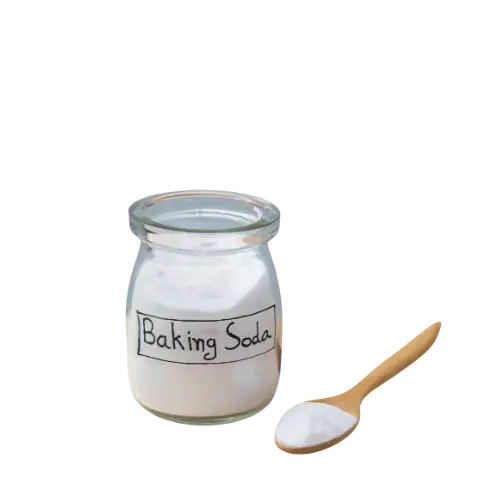
Baking soda is pure sodium bicarbonate. It needs acid to activate – the moment it contacts an acidic ingredient like buttermilk, yogurt, vinegar, lemon juice, brown sugar, honey, or cocoa powder, a chemical reaction produces carbon dioxide bubbles that make batter rise, and the sugar in the same batter caramelizes faster in the alkaline environment. That reaction starts immediately, which is why recipes using baking soda alone (without baking powder) need to go into the oven quickly after mixing. Let the batter sit and the bubbles escape before the structure sets, and the bake comes out flatter and denser than it should.
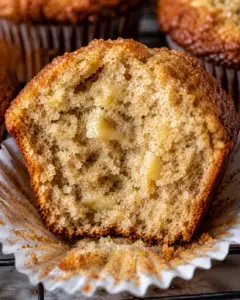
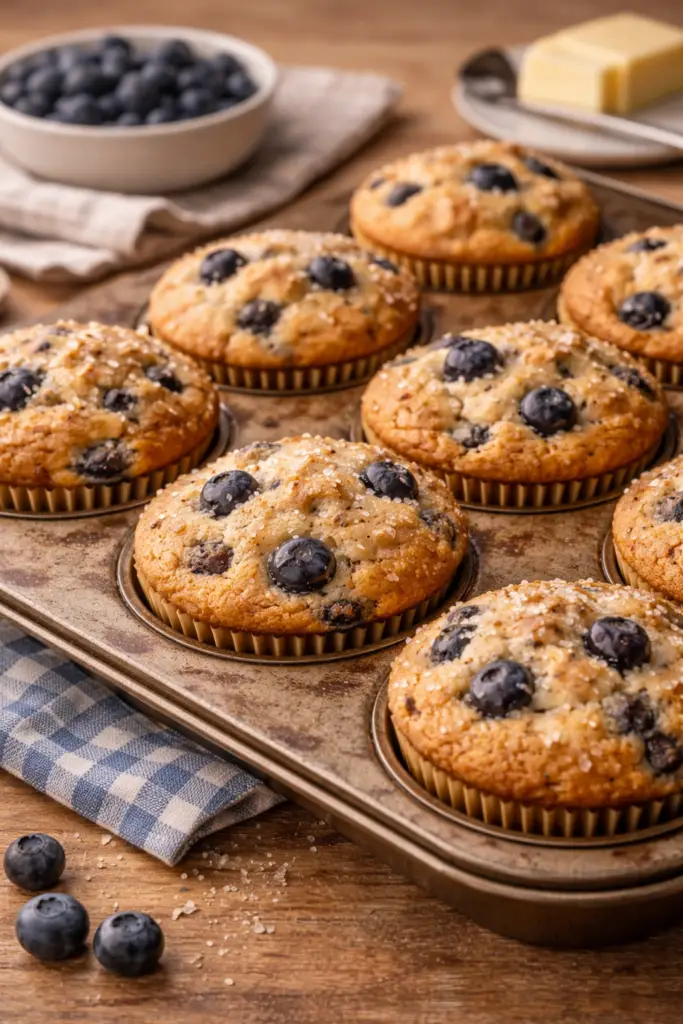
The right amount is small but precise. Most recipes call for a quarter-teaspoon to a full teaspoon per cup of flour. Too little and the bake does not rise enough. Too much and the finished product tastes metallic and soapy – excess baking soda that did not react leaves an alkaline aftertaste that is immediately obvious. Lemon Raspberry Muffins use a careful ratio of baking soda alongside lemon juice and yogurt; the acid in both ingredients is what drives the rise, and the baking soda amount is calibrated to match.
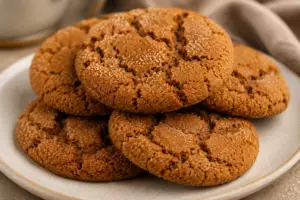
Baking soda also affects browning through a mechanism separate from rising. Alkaline environments (which baking soda creates) speed up the Maillard reaction – the browning of proteins and sugars at heat. This is why The Best Peanut Butter Cookies made with baking soda brown faster and develop a deeper flavor crust than those made without it. It is also why a small amount of baking soda added to caramelizing onions (a savory technique) makes them brown in minutes instead of the usual 40. The same chemistry works across the kitchen.
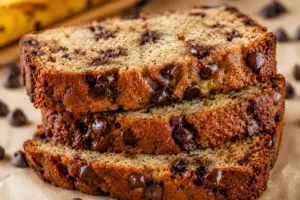
For quick breads and muffins, baking soda and vanilla extract often appear together – vanilla rounds out the slightly bitter note that baking soda can leave when it interacts with certain acids. Banana Chocolate Chip Muffins use both for exactly that reason. The ripe bananas provide the acid, the baking soda provides the rise, and the vanilla keeps the flavor from tipping alkaline. All three are doing distinct jobs in the same recipe. The Best Cinnamon Rolls, on the other hand, use neither – enriched yeast doughs get their rise from fermentation, not chemical leaveners, which is a completely different technique producing a completely different crumb structure.