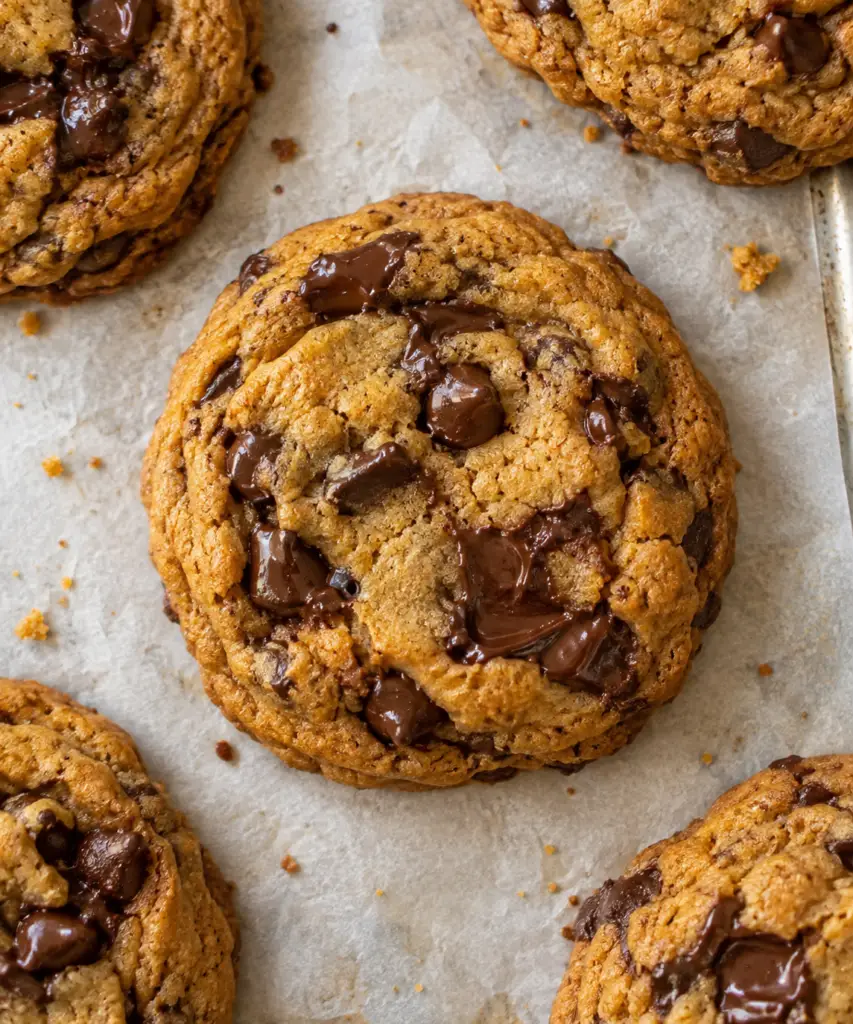
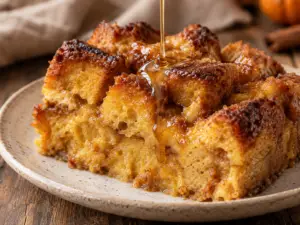
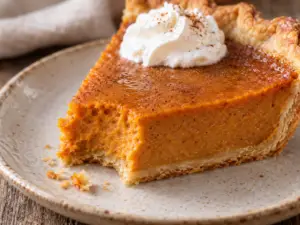
Brown sugar is granulated white sugar with molasses added back in – light brown sugar has about 3.5% molasses, dark brown has around 6.5%. That molasses content changes everything about how it bakes. It adds moisture to doughs and batters, which is why brown sugar cookies stay chewy for days after baking while the same cookie made with all white sugar goes crisp faster. It creates a more complex caramel note than plain sugar can. And it makes baked goods brown faster in the oven because of the additional natural sugars in the molasses reacting to heat.
In savory cooking, brown sugar is a rub and glaze ingredient. Smoked Chicken uses brown sugar in the dry rub because the molasses-rich crystals caramelize against the hot grill or smoker surface, forming the bark – the darkened, slightly sweet outer crust that makes smoked meat distinctive. The same principle applies to Crispy Oven Baked Chicken Wings, where the brown sugar in a sticky glaze creates the lacquered finish that makes the wing surface crackle rather than stay soft. Too much heat and the sugar burns; the right temperature and it transforms.
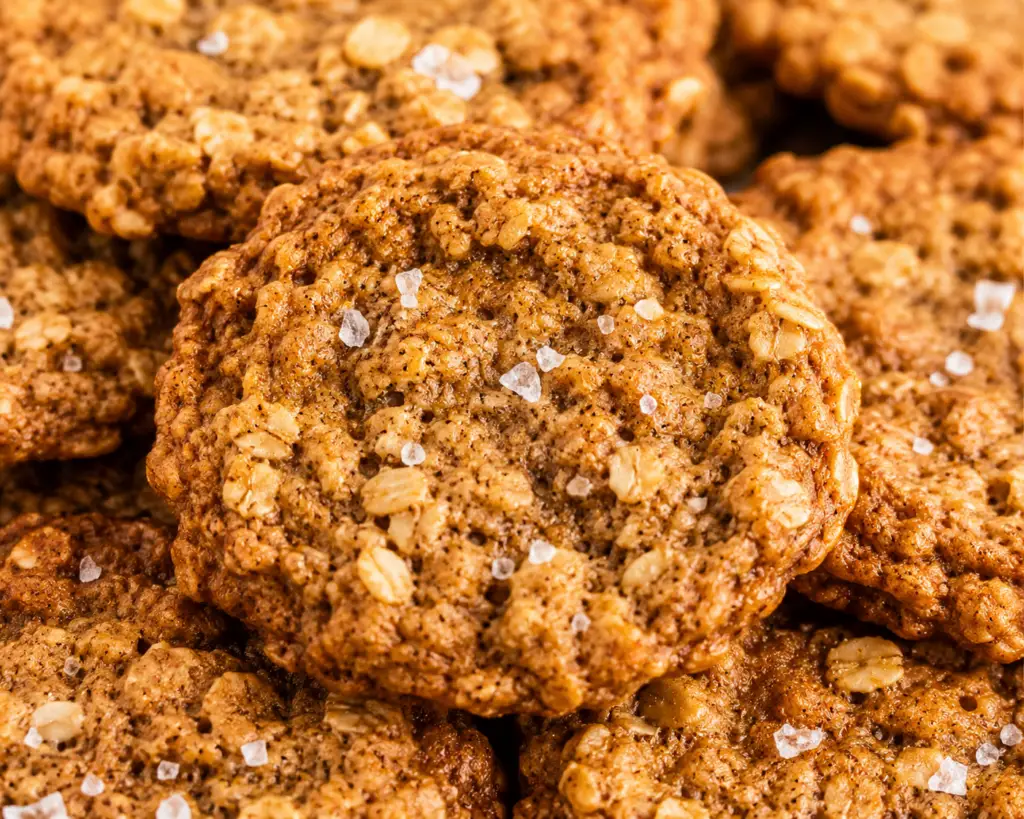
In baking, the ratio of brown to granulated sugar determines texture and chew. The Best Oatmeal Butterscotch Cookies skew heavily toward brown sugar because the butterscotch chips and the oats both need the molasses moisture to stay chewy rather than going crisp. The Best Peanut Butter Cookies use a smaller portion of brown sugar alongside granulated sugar – enough for chew and depth, not so much that the texture tips gummy. Both are teaching cases for how the sugar ratio controls the finished cookie more than almost any other variable.
Brown sugar packs and lumps because the molasses coating on the crystals is hygroscopic – it absorbs moisture from the air. Store it in an airtight container with a piece of bread or a terra cotta disk to keep it soft. If it hardens, a few minutes in a microwave with a damp paper towel on top restores it well enough for baking. And always pack brown sugar into the measuring cup – a loosely spooned cup can be 25% less by weight than a properly packed one, which throws off the moisture balance in any recipe that depends on it. The flour-and-butter ratio in The Best Cinnamon Rolls is calibrated around packed brown sugar in the filling; a light pack and the filling runs thin during baking instead of caramelizing in the layers.