The Best Vanilla Cake Recipe
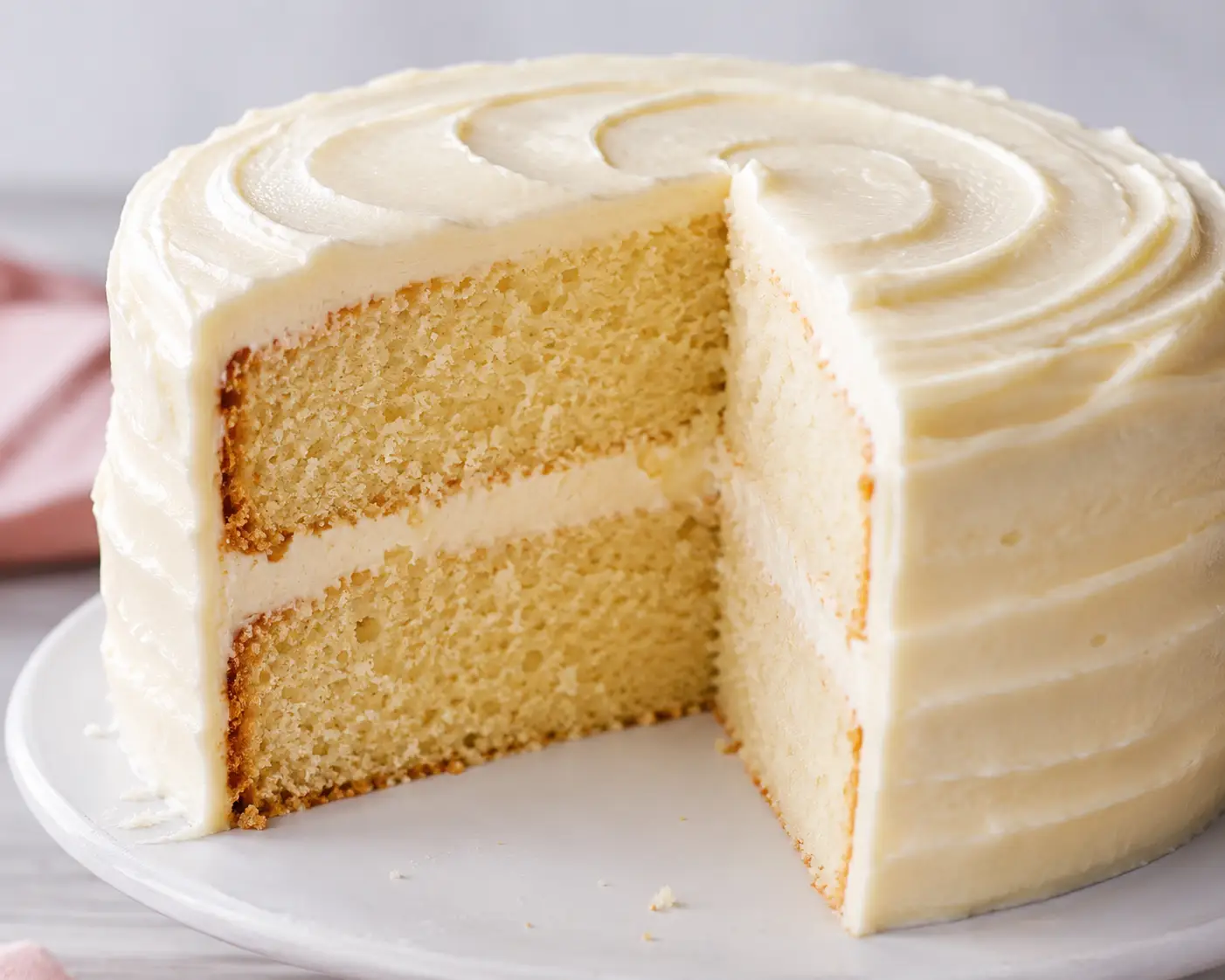
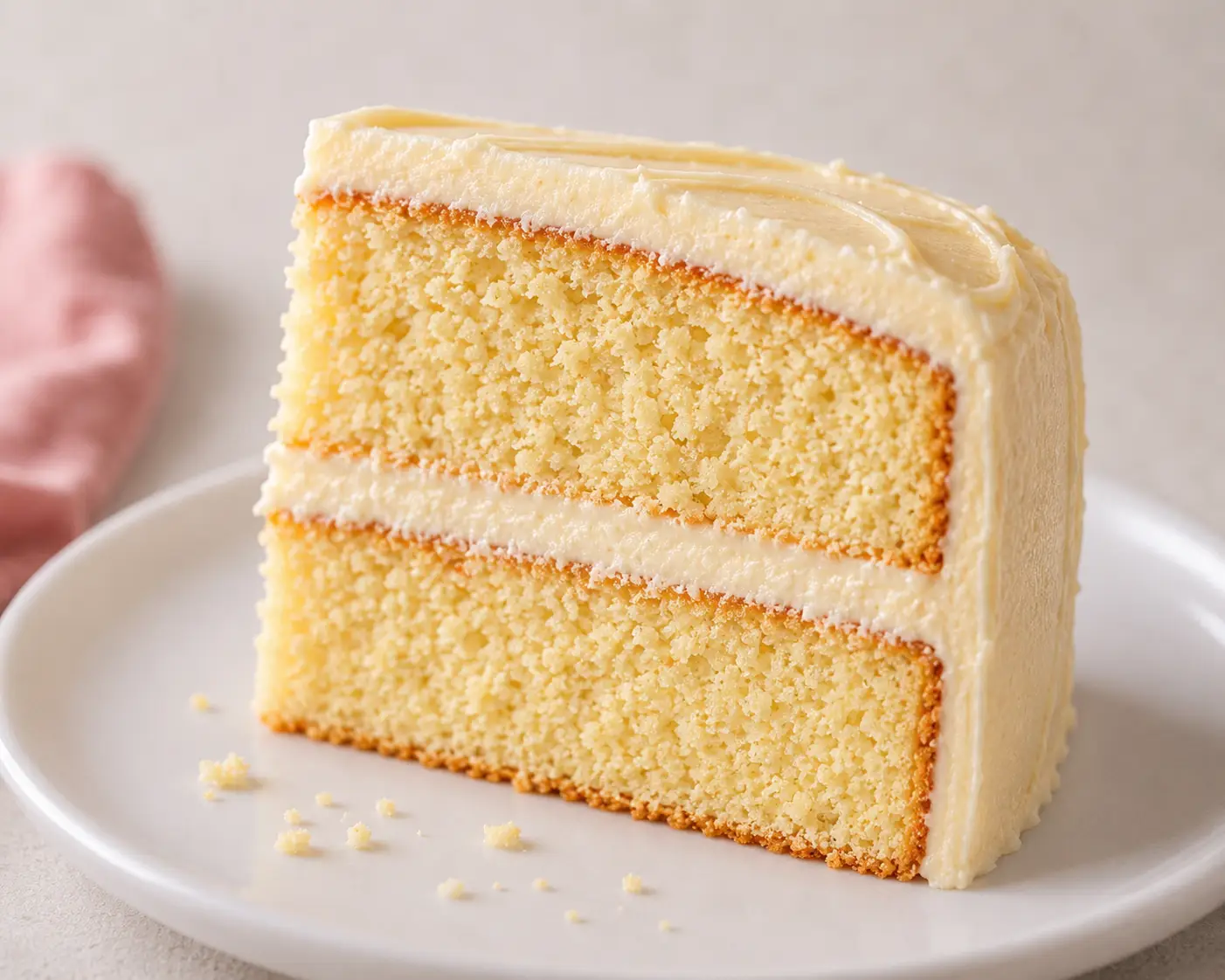
If you’ve ever searched for the perfect vanilla cake recipe, you’ve probably discovered that not all vanilla cakes are created equal. Some are dry. Some are dense. Others taste more like sweet bread than cake. This vanilla cake recipe delivers everything you want from a classic homemade cake: a soft and fluffy crumb, rich vanilla flavor, incredible moisture, and layers sturdy enough for decorating while remaining melt-in-your-mouth tender.
The secret lies in a carefully balanced ratio of fats, sugar, eggs, and flour that creates an exceptionally tender crumb without sacrificing structure. Whether you’re baking a birthday cake, wedding shower dessert, or celebration centerpiece, browse more cake recipes from Sugar Face Bakes.
Why You’ll Love This Vanilla Cake
- Soft and fluffy texture
- Rich vanilla flavor
- Moist for days
- Easy-to-follow instructions
- Uses simple pantry ingredients
- Perfect for birthdays and celebrations
- Stacks beautifully for layer cakes
- Works with buttercream, cream cheese frosting, or whipped frosting
- Freezes well
- Better than boxed cake mix
What Makes This Vanilla Cake Different?
Many vanilla cake recipes rely heavily on butter for flavor. While butter adds richness, using only butter often creates a cake that firms up significantly after refrigeration.
This recipe uses both butter and oil.
Butter provides:
- Rich flavor
- Aromatic dairy notes
- Structure
Oil provides:
- Moisture
- Soft crumb
- Longer shelf life
The combination creates the best of both worlds.
The result is a vanilla cake that tastes homemade while staying incredibly soft.
The Science Behind the Perfect Vanilla Cake
Understanding why ingredients work together helps create consistent baking success.
Butter contains milk solids that contribute rich flavor compounds during baking.
As butter melts, those compounds spread throughout the batter, creating the classic vanilla cake taste many bakers love.
Unlike butter, oil remains liquid at room temperature.
This keeps the cake softer and moister long after baking.
Many bakery cakes use oil specifically because it maintains softness for several days.
Eggs serve several important purposes:
- Add richness
- Create structure
- Improve texture
- Help cakes rise
The proteins in eggs set during baking and support the cake’s crumb.
- Sugar Does More Than Sweeten
Sugar:
- Sweetens
- Helps retain moisture
- Creates tenderness
- Improves browning
Without enough sugar, cakes become dry and tough.
- Baking Powder Creates Lift
Baking powder produces carbon dioxide gas.
These tiny air pockets expand during baking and help create a fluffy texture.
Too little baking powder results in a dense cake.
Too much causes collapse.
This recipe uses the perfect amount for reliable results.
- Cake Flour vs All-Purpose Flour
Cake flour contains less protein.
Less protein means less gluten development.
Less gluten creates a softer crumb.
If available, cake flour produces the most bakery-style texture.
All-purpose flour works well too and creates a slightly sturdier cake.
Ingredient Notes
For the Cake Layers:
- All-Purpose Flour (3 cups): Provides structure while keeping the cake soft. Spoon and level when measuring — never scoop directly from the bag.
- Baking Powder (1 teaspoon): The primary leavener that creates a tall, even rise in the layers.
- Salt (1/2 teaspoon): Balances the sweetness and makes the vanilla flavor more pronounced throughout.
- Unsalted Butter, softened (3/4 cup): Creamed with the sugar to create a light, fluffy base and provide rich buttery flavor. Must be at room temperature.
- Granulated Sugar (1 3/4 cups): Creamed with the butter to incorporate air into the batter and contribute to the tender crumb.
- Large Eggs (4), room temperature: Bind the batter and provide structure, moisture, and richness. Room-temperature eggs incorporate far more smoothly into the batter.
- Vanilla Extract (2 tablespoons): The star of this recipe. Use pure vanilla extract, not imitation. For an even richer flavor, vanilla bean paste works beautifully here.
- Buttermilk (1 1/4 cups): Adds moisture, tenderness, and a subtle tang. The acidity reacts with the baking powder for better lift and breaks down gluten for a softer crumb. No buttermilk on hand? Add 1 tablespoon of lemon juice or white vinegar to 1 1/4 cups of whole milk and let it sit for 5 minutes.
- Vegetable Oil (1/4 cup): Added alongside the butter to keep the crumb moist and soft longer. Oil stays liquid at room temperature, preventing the cake from drying out even after refrigeration.
For the Vanilla Buttercream:
- Unsalted Butter, room temperature (1 1/2 cups): Beat for 4 to 5 minutes until very pale and fluffy before adding anything else.
- Powdered Sugar (5 cups): Added gradually one cup at a time to sweeten and thicken the frosting.
- Heavy Cream (3 tablespoons): Loosens the frosting and creates a silky, spreadable consistency.
- Vanilla Extract (2 teaspoons): Flavors the buttercream with the same deep vanilla profile as the cake layers.
- Salt (1/4 teaspoon): Balances the sweetness and prevents the frosting from tasting flat.
Equipment You’ll Need
- Two 9-inch round cake pans
- Mixing bowls
- Stand mixer or hand mixer
- Measuring cups
- Kitchen scale
- Cooling rack
- Offset spatula
Expert Baker Tips
Use Room Temperature Ingredients
This is one of the most important cake baking rules.
Room-temperature ingredients combine more evenly.
This creates a smoother batter and lighter crumb.
Don’t Overmix
Once flour is added, mix only until combined.
Overmixing develops gluten and creates a tougher cake.
Weigh Ingredients
Kitchen scales provide more accurate measurements than cups.
Consistent measurements produce consistent results.
Tap the Pans
After filling your pans, gently tap them on the counter.
This removes large air bubbles.
Rotate Halfway Through Baking
Most ovens have hot spots.
Rotating the pans helps create evenly baked layers.
Cool Completely Before Frosting
Warm cakes melt frosting.
Allow layers to cool completely before decorating.
How to Make the Best Vanilla Cake
- Step 1 — Prep the Pans: Preheat the oven to 350 degrees F. Grease two 9-inch round cake pans, line the bottoms with parchment paper, and lightly grease the parchment.
- Step 2 — Mix the Dry Ingredients: In a large bowl, whisk together the flour, baking powder, and salt. Set aside.
- Step 3 — Cream Butter and Sugar: In the bowl of a stand mixer fitted with the paddle attachment, beat the softened butter and granulated sugar on medium speed for 3 to 4 minutes until the mixture is pale, fluffy, and noticeably lighter in texture. This step is critical — it creates the tiny air pockets that contribute to the cake’s rise.
- Step 4 — Add Eggs and Vanilla: Add the 4 eggs one at a time, mixing well after each addition. Add the vanilla extract and mix until combined. Scrape down the bowl as needed.
- Step 5 — Alternate Dry Ingredients and Buttermilk: Reduce mixer to low speed. Alternate adding the flour mixture and buttermilk, beginning and ending with the flour mixture. Mix only until each addition is just incorporated. Do not overmix.
- Step 6 — Add the Oil: Slowly stream in the vegetable oil and mix until just combined. The batter should look smooth and silky.
- Step 7 — Bake: Divide the batter evenly between the prepared pans. Bake at 350 degrees F for 28 to 34 minutes until the tops spring back lightly when touched and a toothpick inserted in the center comes out with a few moist crumbs. The internal temperature should reach approximately 205 degrees F.
- Step 8 — Cool: Cool the cakes in their pans for 15 minutes, then transfer to wire racks. Chill for 20 minutes before frosting.
- Step 9 — Make the Buttercream: Beat the softened butter for 4 to 5 minutes until very pale and fluffy. Gradually add powdered sugar one cup at a time on low speed. Add the vanilla extract, heavy cream, and salt. Beat on medium-high for 3 minutes until light, silky, and fluffy.
- Step 10 — Assemble: Place the first layer on a serving plate and frost the top evenly. Add the second layer and frost the entire cake with the remaining buttercream. Smooth the sides with an offset spatula.
How Much Frosting Does This Recipe Make?
This frosting yields enough for:
- Two-layer 9-inch cake
- 24 cupcakes
- Sheet cake frosting
- Decorative piping borders
For heavily decorated cakes, consider making 1.5 batches.
Frosting Variations
Replace vanilla extract with vanilla bean paste.
Creates beautiful specks and deeper flavor.
- Almond Vanilla Buttercream
Add: ½ teaspoon almond extract
Perfect for wedding cakes.
- Brown Butter Vanilla Frosting
Brown the butter first and allow it to cool completely.
Creates caramelized, nutty notes.
Add: ¼ cup freeze-dried strawberry powder
Perfect for spring and summer cakes.
Storage Instructions
Room Temperature
Store covered for up to 3 days.
Refrigerator
Store for up to 5 days.
Allow slices to sit at room temperature for 30 minutes before serving.
Freezer
Freeze unfrosted layers for up to 3 months.
Wrap tightly in plastic wrap followed by foil.
Caraway 9-Inch Cake Pan Recommendation
One of the easiest ways to improve your baking results is using quality bakeware. I love baking vanilla cakes in my Caraway 9-inch cake pans because they distribute heat evenly, helping prevent overbrowned edges and underbaked centers. The naturally slick ceramic-coated surface also releases cakes beautifully with minimal sticking.
For layer cakes like this vanilla cake recipe, even heat distribution is everything. Consistent baking helps create flat, evenly risen layers that stack beautifully and require less trimming before frosting.
Whether you’re making birthday cakes, wedding cakes, or holiday desserts, a dependable cake pan can make a noticeable difference in the final result.
Looking for more cake recipes?
You may also enjoy: