
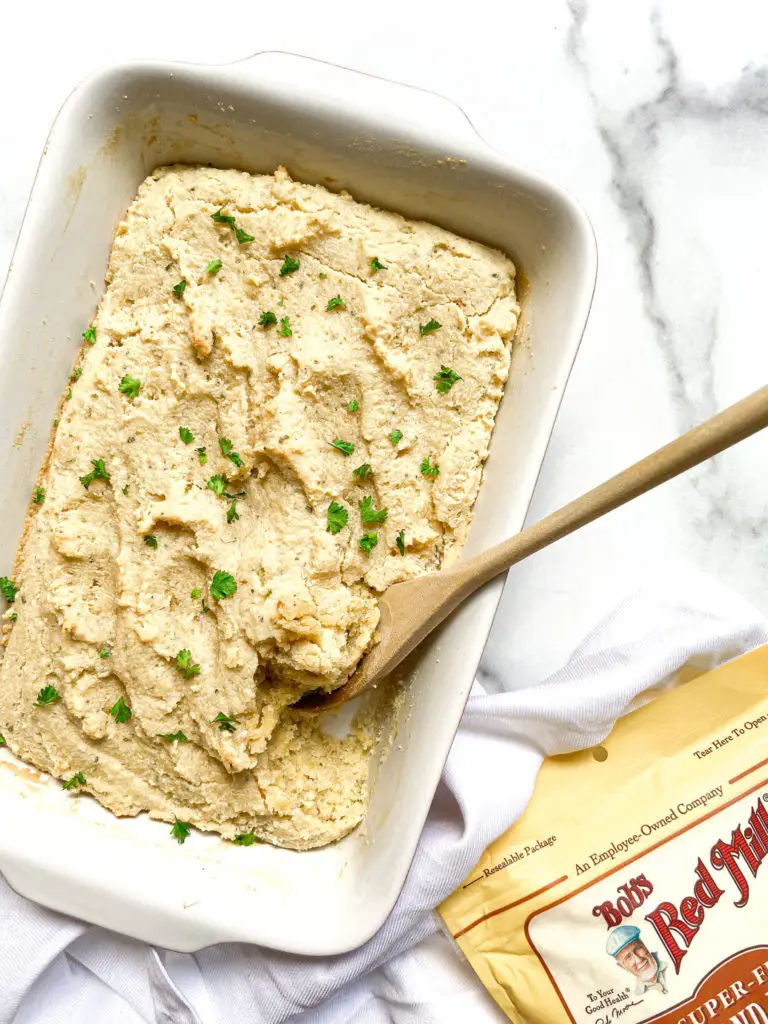
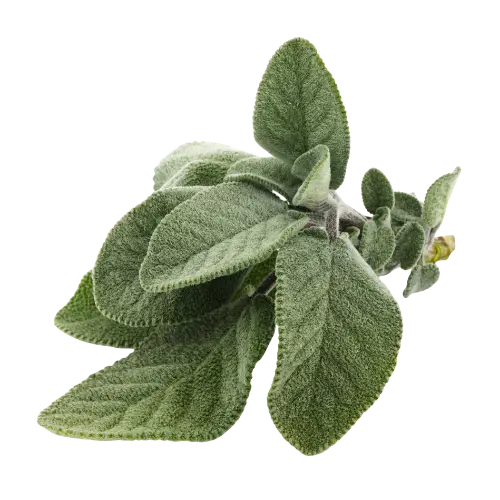
Sage is the soft, gray-green Mediterranean herb with assertive, slightly piney, slightly minty flavor used in Thanksgiving stuffing, brown butter pasta sauces, roasted poultry, and sausage seasoning. The strong flavor means small amounts go a long way; over-using sage produces medicinal, almost bitter notes. A reader favorite built on it is Easy Cornbread Dressing where dried or fresh sage is the signature herb that defines authentic Thanksgiving dressing alongside thyme, onion, and chicken broth.
Fresh and dried sage are both used in cooking, with different flavor intensities. Fresh sage is brighter, slightly milder, with more subtle herb-pine notes. Dried sage is more concentrated, slightly dustier in flavor, and often the right choice for long-cooked dishes where the dried herb has time to hydrate. The conversion is 1 tablespoon fresh = 1 teaspoon dried.
For Thanksgiving dressing, sage is the herb that distinguishes proper Southern-style cornbread dressing from generic stuffing. The standard ratio is 1 tablespoon dried sage (or 3 tablespoons fresh chopped) per loaf of cornmeal (as in The Best Sweet Potato Cornbread)-based cornbread used, combined with thyme, onion (used in The Best Sheperds Pie and The Best Slow Cooker Goulash), celery (seen in Creamy Chicken Wild Rice Soup), and chicken broth (such as in Halal Chicken and Rice and Easy Chicken and rice casserole). The sage flavor blooms during the 40-minute baking time and permeates the dressing.
For brown butter sage sauce, the technique is to melt 1/2 cup butter (as in The Ultimate Guide to Wedding Cookies and Cottage Cheese Eggless Pancakes) in a skillet over medium heat, add 10-12 fresh sage leaves, swirl until the butter turns golden brown and the sage leaves crisp (2-3 minutes), then pour over cooked pasta or gnocchi. The crispy sage leaves are edible and add texture; the brown butter is the rich nutty base.
For roasted poultry, fresh sage leaves slipped under the skin of chicken or turkey breast before roasting flavor the meat from the inside out. The skin then crisps and the sage releases aromatic oils into the rendering fat. Use 6-8 leaves per chicken or 12-15 per turkey.
For homemade breakfast sausage, the sage-forward American breakfast sausage formula is 1 lb ground pork + 1.5 teaspoons dried sage + 1 teaspoon salt (used in Homemade Hamburger Helper and Egg Free Cottage Cheese Muffins) + 1/2 teaspoon black pepper (seen in The Best Homemade Sloppy Joe and The Best Ground Beef Meatballs) + 1/4 teaspoon nutmeg (such as in Eggless Banana Muffins and Sweet Potato Casserole) + 1/4 teaspoon red pepper flakes + 1 tablespoon brown sugar (as in Smoked Chicken and Crispy Oven Baked Chicken Wings). The sage is what makes it taste like the Jimmy Dean-style sausage that defines American breakfast.
For storage, fresh sage keeps 5-7 days refrigerated in a paper-towel-lined container in the produce drawer. The leaves wilt and brown when too cold or stored too long. Dried sage keeps 1-2 years in a sealed container in a cool dark cabinet; smell-test for fading aromatic compounds.
Sage is commonly used to add earthy flavor to savory dishes. The leaves can be chopped and added to sauces, roasted vegetables, stuffing, or pasta. Fresh sage is often sautéed in butter to create a simple sauce or crispy garnish for dishes like pasta and roasted meats.
Sage adds a warm, savory flavor that enhances rich foods like poultry, butter sauces, and roasted vegetables. Its slightly peppery taste balances creamy and hearty ingredients. Even a small amount of sage can deepen the overall flavor of a dish.
Sage is commonly used in stuffing, roasted vegetable dishes, pasta sauces, poultry recipes, and herb butter. It is also added to soups and savory baked dishes. The herb pairs well with ingredients such as squash, mushrooms, potatoes, and chicken.
Thyme, marjoram, and rosemary are common substitutes for sage. These herbs provide similar savory and earthy flavors. Use slightly less rosemary because its flavor is stronger, while thyme or marjoram can usually be used in similar amounts.