Mirepoix (French) and Holy Trinity (Cajun) are the two foundational aromatic bases of Western cooking. Mirepoix is 2 parts onion, 1 part celery, 1 part carrot, sauteed in butter until soft and golden. Holy Trinity is roughly equal parts onion, celery, and bell pepper, sauteed in oil. Both produce a savory foundation that supports nearly any soup, stew, or braise. The 8-10 minute saute step is what builds depth that no other technique replicates.
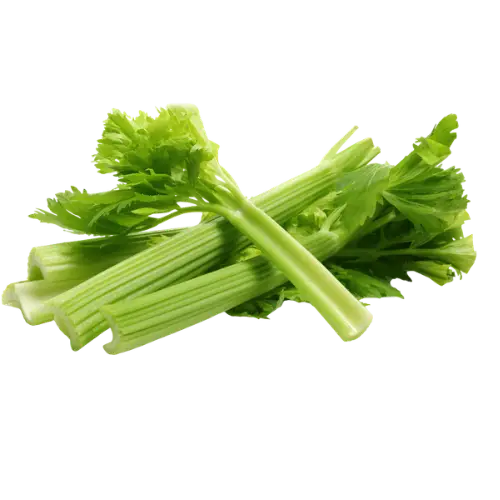
Celery hearts (the inner ribs) versus outer ribs have different best uses. Hearts are tender, mild, and sweet, best raw in salads and as crudite. Outer ribs are tougher, more fibrous, and stronger-flavored, best cooked into stocks and soups. The leaves at the tops are often discarded but are excellent for finishing soups and salads, treat them like parsley.
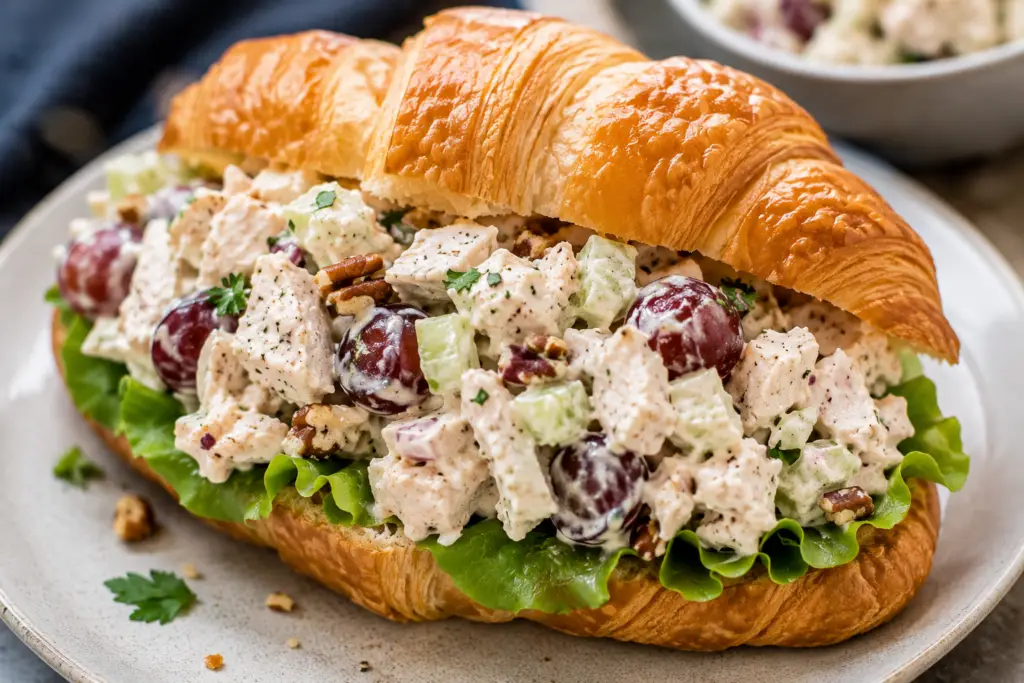
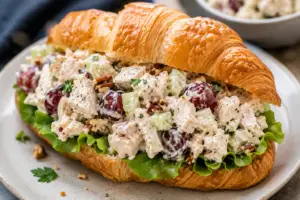
For chicken salad (the classic American lunch), celery provides the crunch that distinguishes good chicken salad from bland chicken salad. The standard recipe is 3 cups cooked chopped chicken, 1/2 cup mayonnaise, 1/4 cup diced celery (1 large rib), 2 tablespoons chopped parsley, 1 tablespoon Dijon mustard, salt and pepper. Mix and serve on bread, lettuce wraps, or with crackers.
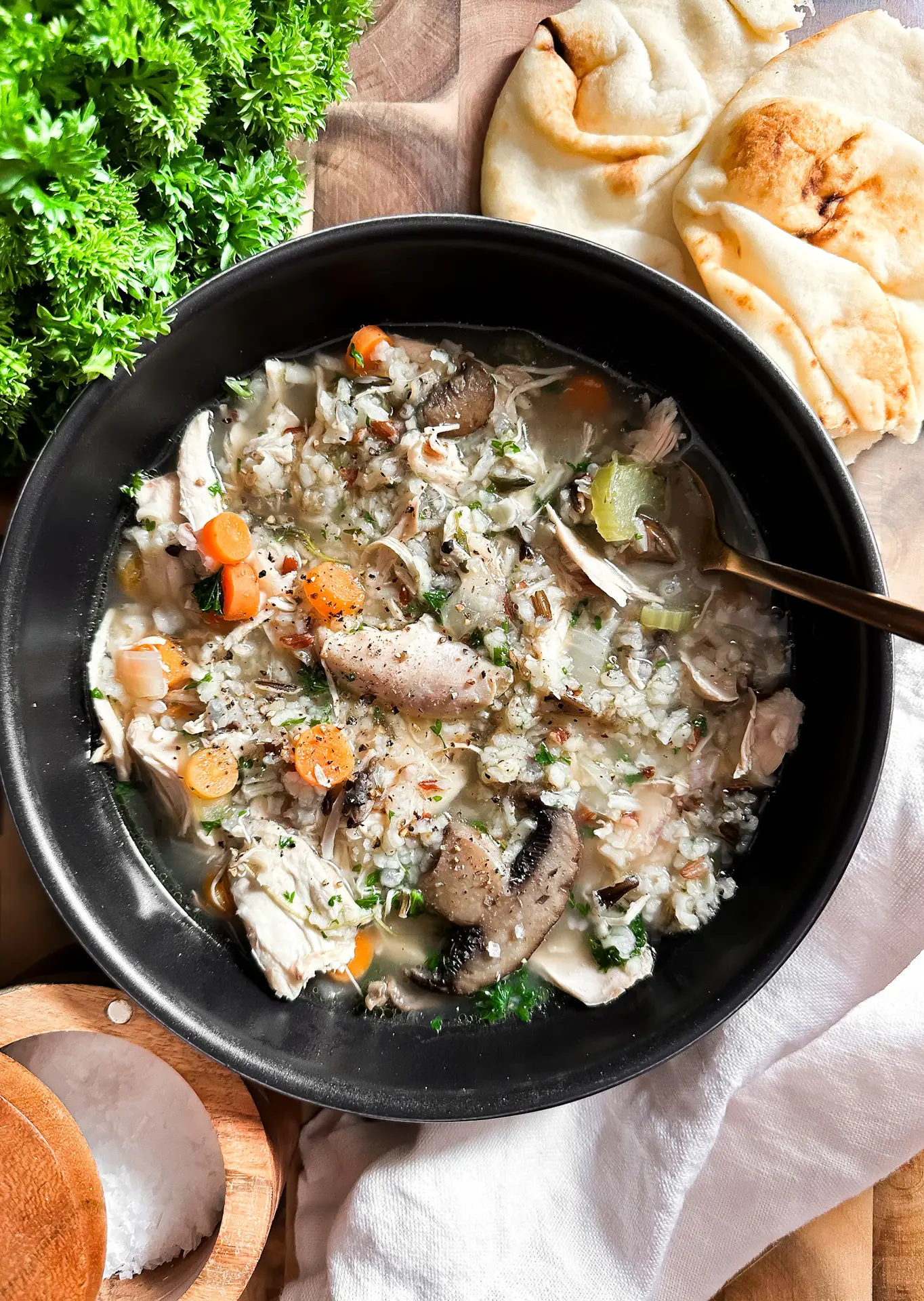
For stocks and soups, celery is non-negotiable in any savory stock. The technique is to combine bones (chicken, beef, or vegetable scraps), onion, carrots, celery, garlic, herbs, and water; simmer 4-8 hours. The celery contributes savory depth that the other vegetables cannot. For storage, whole celery keeps 2-3 weeks wrapped in foil refrigerated, foil traps ethylene gas that would otherwise speed wilting. Limp celery can be revived by trimming the cut end and standing in ice water for 30 minutes. Other reader picks that build on celery include Creamy Chicken Wild Rice Soup and Chicken Taco Soup. Browse carrots, onion, and salt for closely related cooking applications.