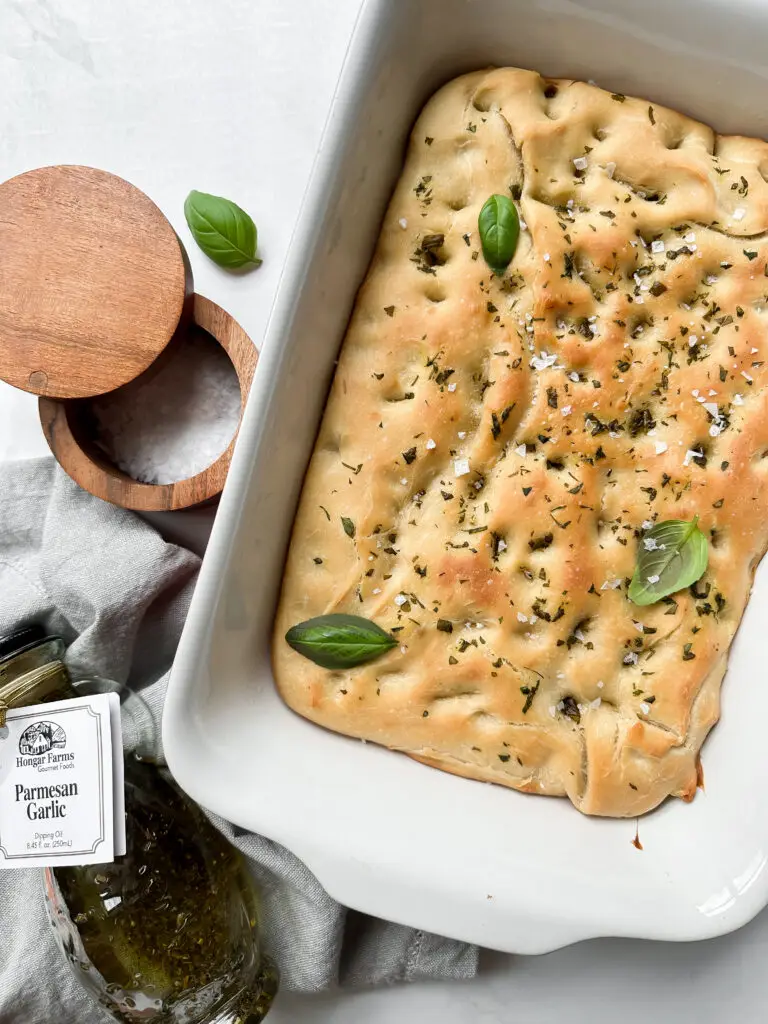
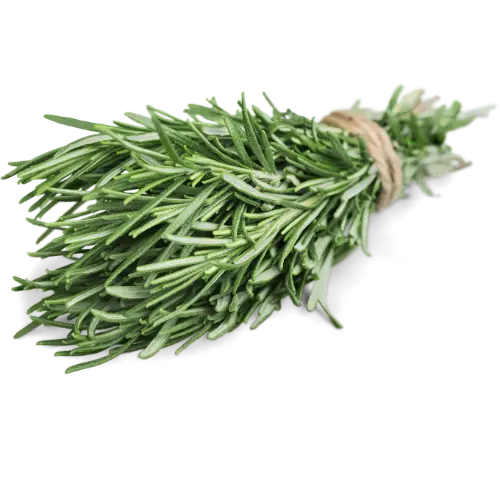
Rosemary is one of the strongest fresh herbs and one of the easiest to over-season with. A teaspoon of finely chopped rosemary in a recipe is usually enough; a tablespoon can overpower a dish. The needle-shaped leaves stay tough even after cooking, which is why most recipes call for finely chopping them before adding to the dish. Whole sprigs work for slow roasts where the leaves fall off naturally during cooking and the stems get fished out. Pairing rosemary with sea salt (a finishing flake salt) on focaccia is the classic Tuscan finish that no amount of rosemary cooked into the dough can replicate.
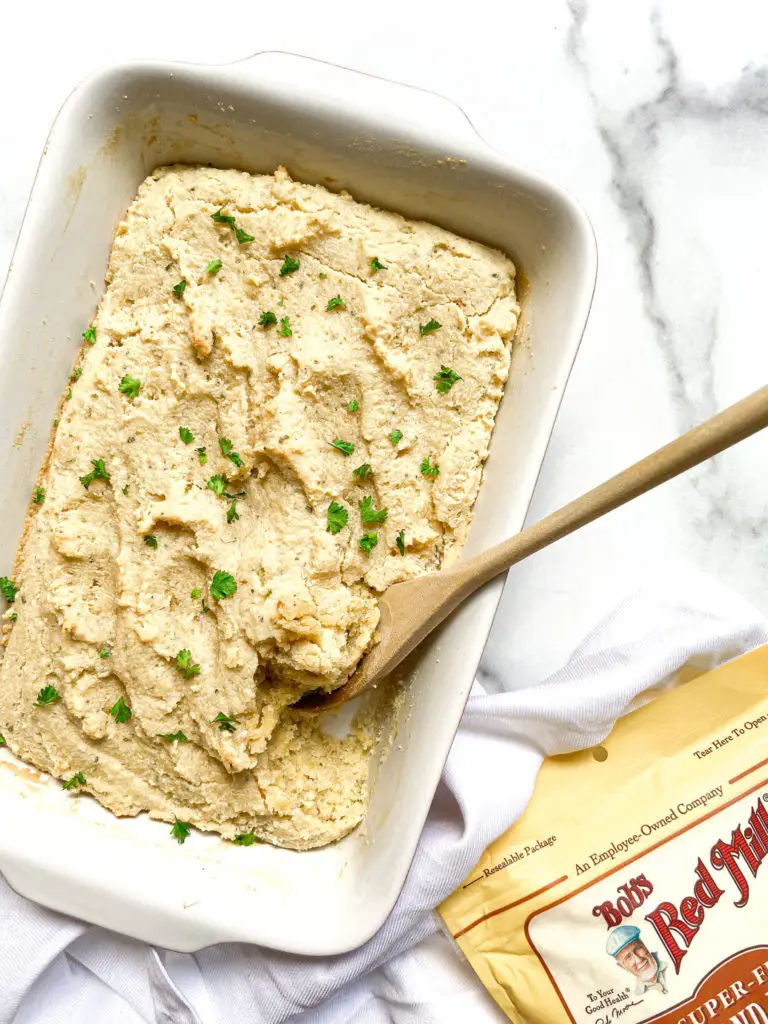
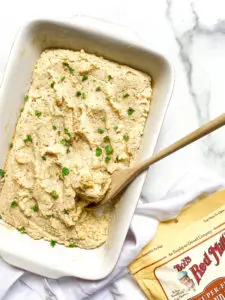
For bread baking, rosemary is the herb that works in olive oil-based doughs without competing with the wheat flavor. The leaves chopped into focaccia dough release their flavor during the long fermentation and produce a finished bread that tastes Mediterranean before the toppings even go on. Cornbread Dressing demonstrates a different bread-adjacent use, where dried rosemary in the dressing mixture provides the warm-herb base alongside sage and thyme.
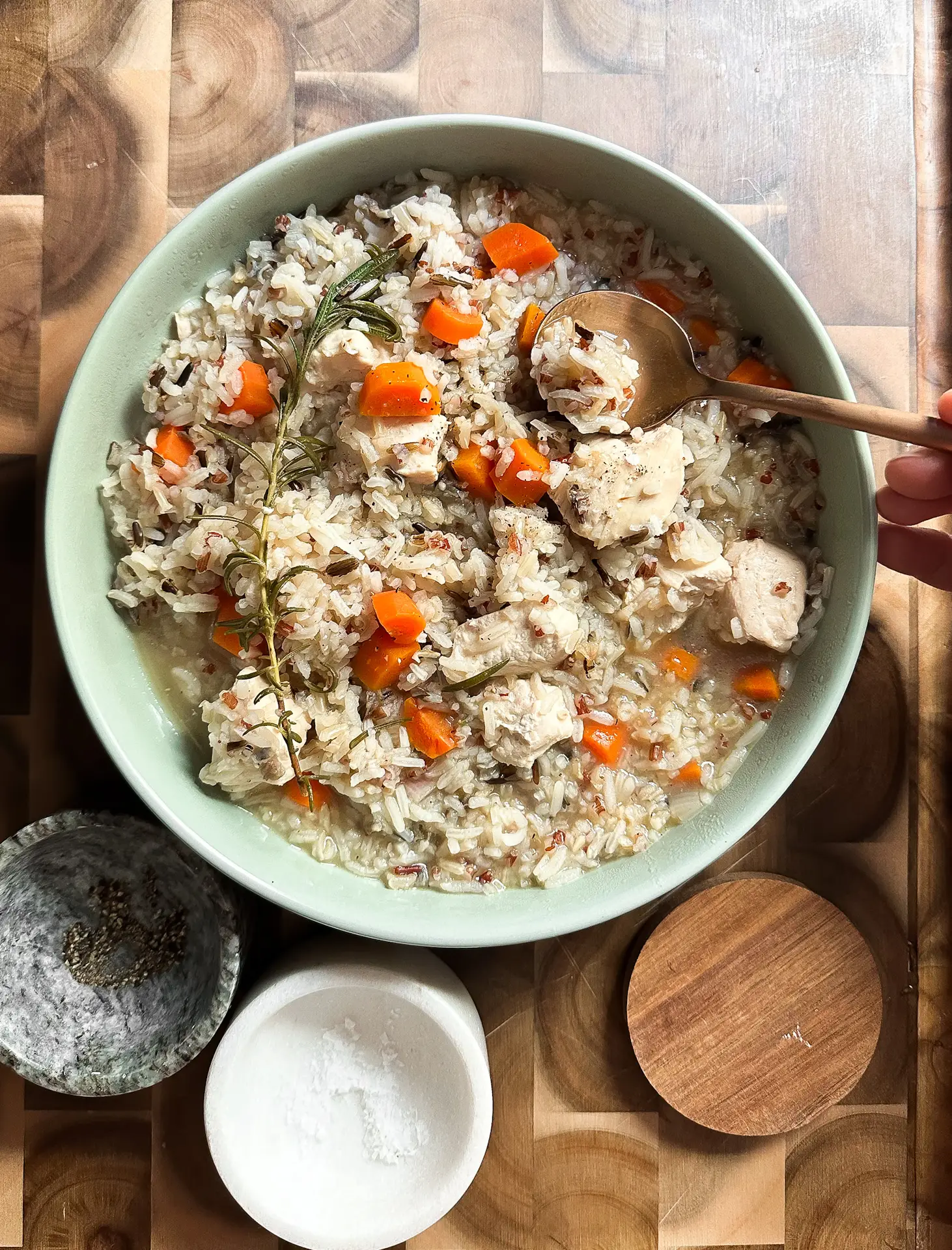
For roast meats and vegetables, fresh rosemary sprigs are the herb that survives the long cook. Lamb, beef, and pork all benefit from rosemary in the marinade plus a sprig in the roasting pan. Root vegetables (potatoes, parsnips, carrots) tossed with olive oil, rosemary, and garlic, then roasted at 425°F for 35-45 minutes, produce a side dish that anchors any Italian or Mediterranean dinner. The rosemary’s pine notes complement the natural sugars of the roasted root vegetables in a way no other herb can match.
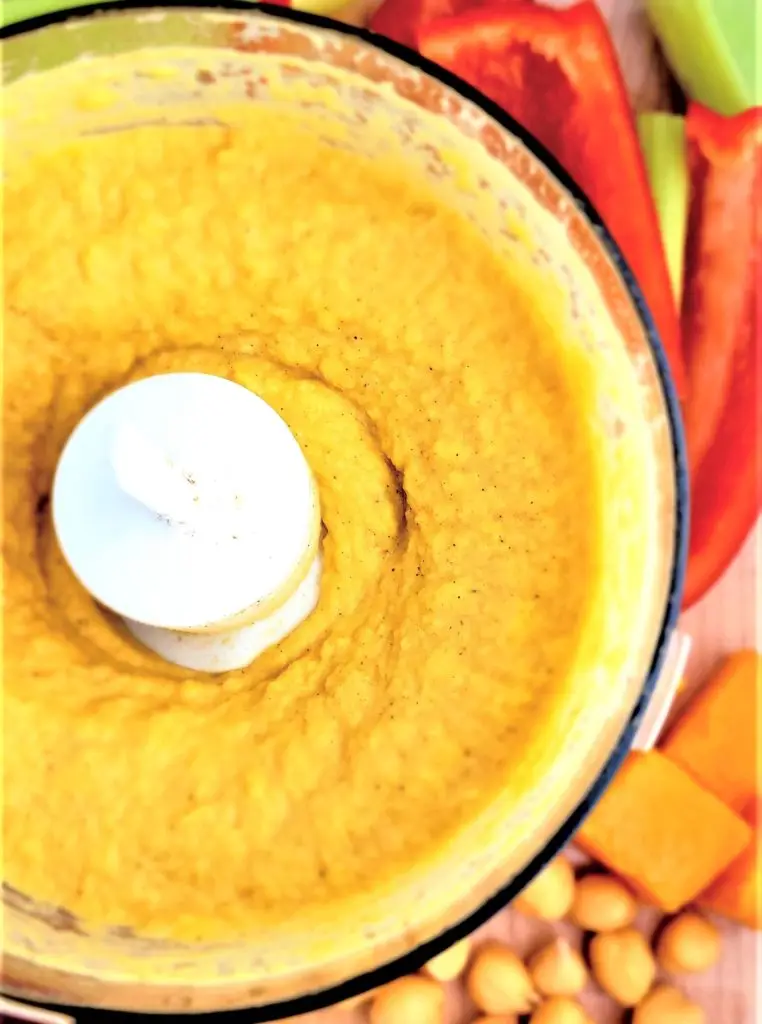
For non-cooking applications, rosemary infused into butter or olive oil produces a flavored fat that lasts for weeks and transforms simple bread, pasta, or roasted vegetables. The technique: gently warm 1 cup of butter or oil with 2-3 sprigs of fresh rosemary for 10 minutes, then strain and refrigerate (butter) or pour into a clean bottle (oil). Easy and Smooth Hummus can be finished with a drizzle of rosemary oil for a Mediterranean variation that takes the basic hummus into a more flavorful direction. Across all rosemary uses, the dried-versus-fresh question matters less than for most herbs. Dried rosemary retains 70-80% of fresh flavor because the woody structure protects the volatile oils through the drying process, making it one of the better dried herbs to keep on hand. Browse thyme and sage for closely related cooking applications.