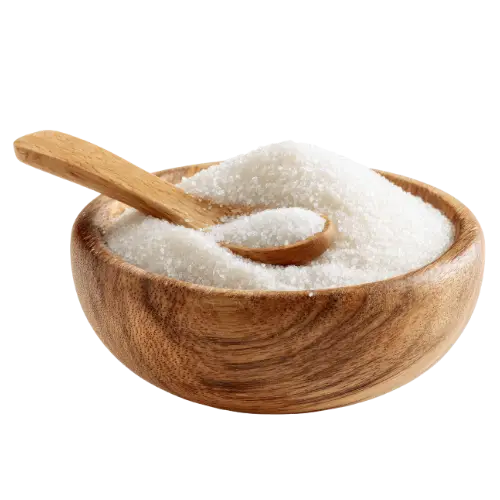
Powdered sugar is essentially regular sugar that has been ground into a fine dust, with a small amount of cornstarch added to prevent clumping. That cornstarch matters: it gives glazes their slight opacity and helps icings hold their shape on top of a cake. A swap of powdered for granulated in a buttercream recipe will not work without other adjustments, because the cornstarch is doing structural work alongside the sweetening.
The most common use of powdered sugar in home baking is the simple glaze: powdered sugar plus a splash of milk, lemon juice, or coffee whisked together into a pourable consistency. The ratio that produces the right thickness for drizzling over a cake or muffin is roughly 1 cup sugar to 1-2 tablespoons liquid. Too much liquid and the glaze runs straight off the bake; too little and it sits in clumps. French Toast Casserole uses a similar light dusting technique, with powdered sugar shaken over the top just before serving to balance the cinnamon-rich custard base.
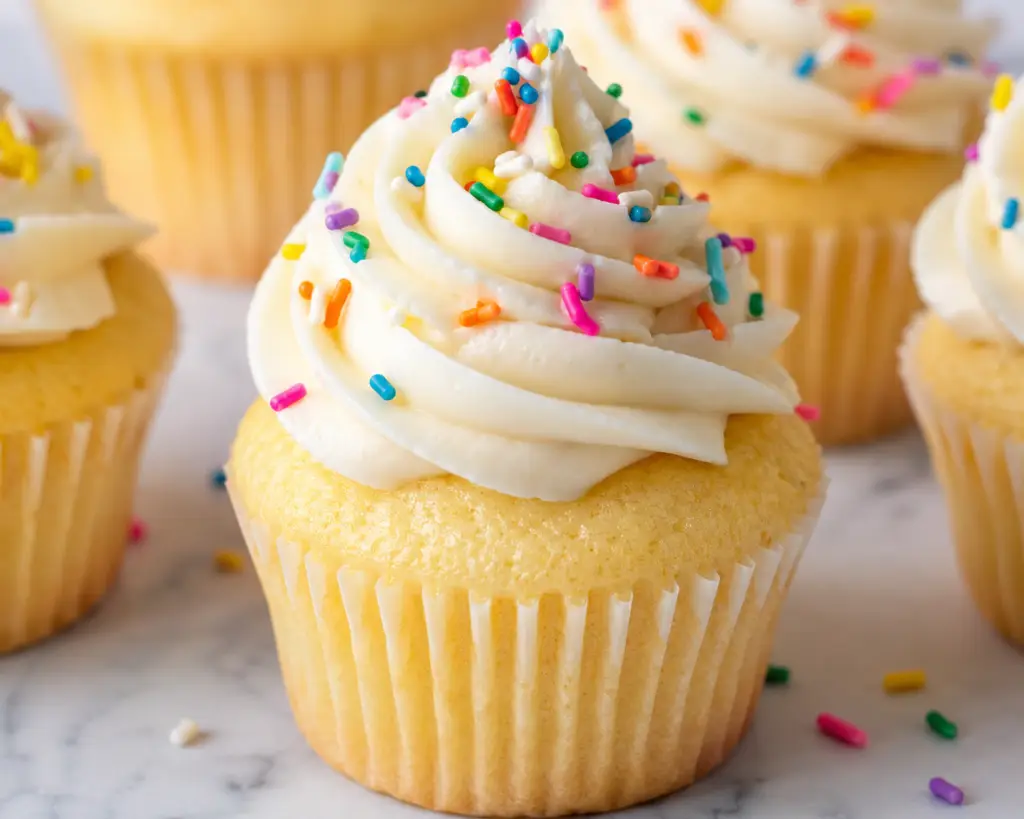
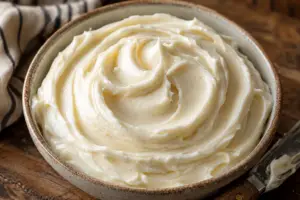
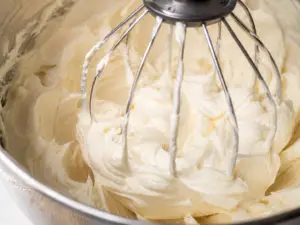
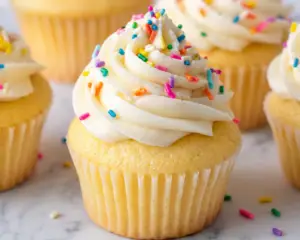
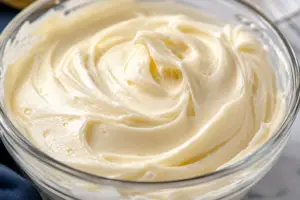
For buttercream and frosting work, powdered sugar is the only sugar that creams properly with butter at room temperature without leaving a grainy texture. The standard ratio for American buttercream is roughly 4 cups powdered sugar to 1 cup butter, beaten for a full 5 minutes until light and fluffy. Underbeating produces dense, heavy frosting; overbeating breaks the emulsion and produces a soupy mess. Perfect Unicorn Cakes demonstrates the buttercream technique on a celebration cake format that depends on the powdered-sugar-to-butter ratio holding through piping work.
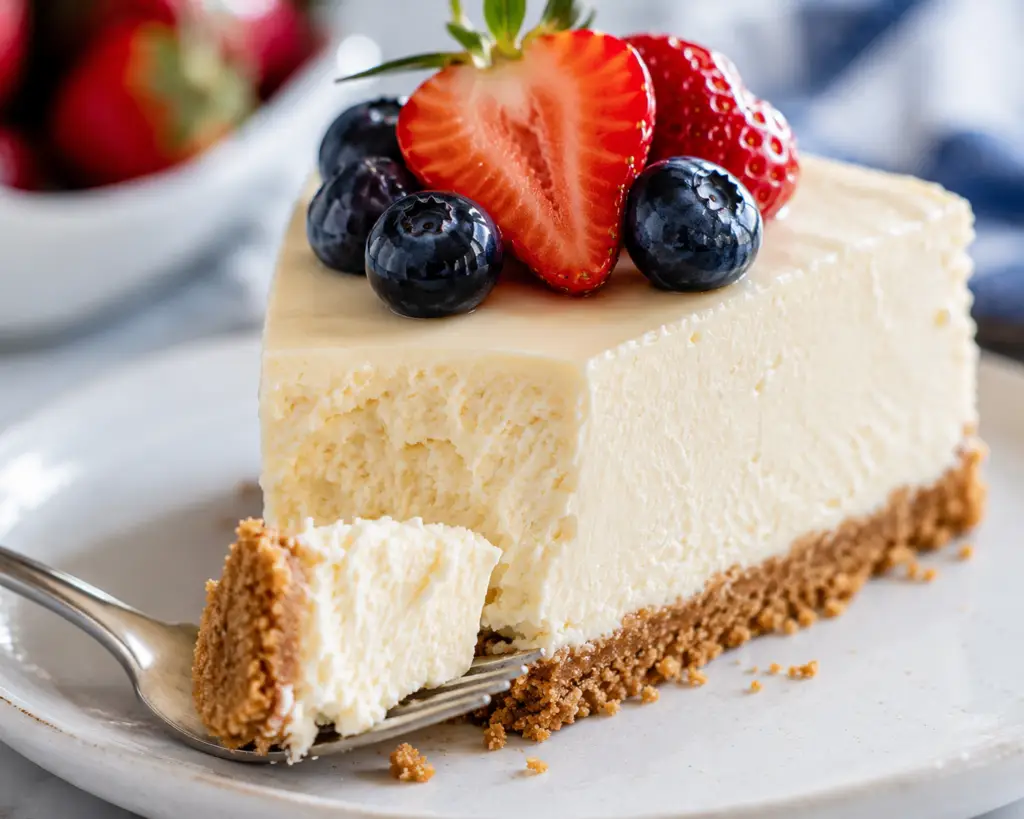
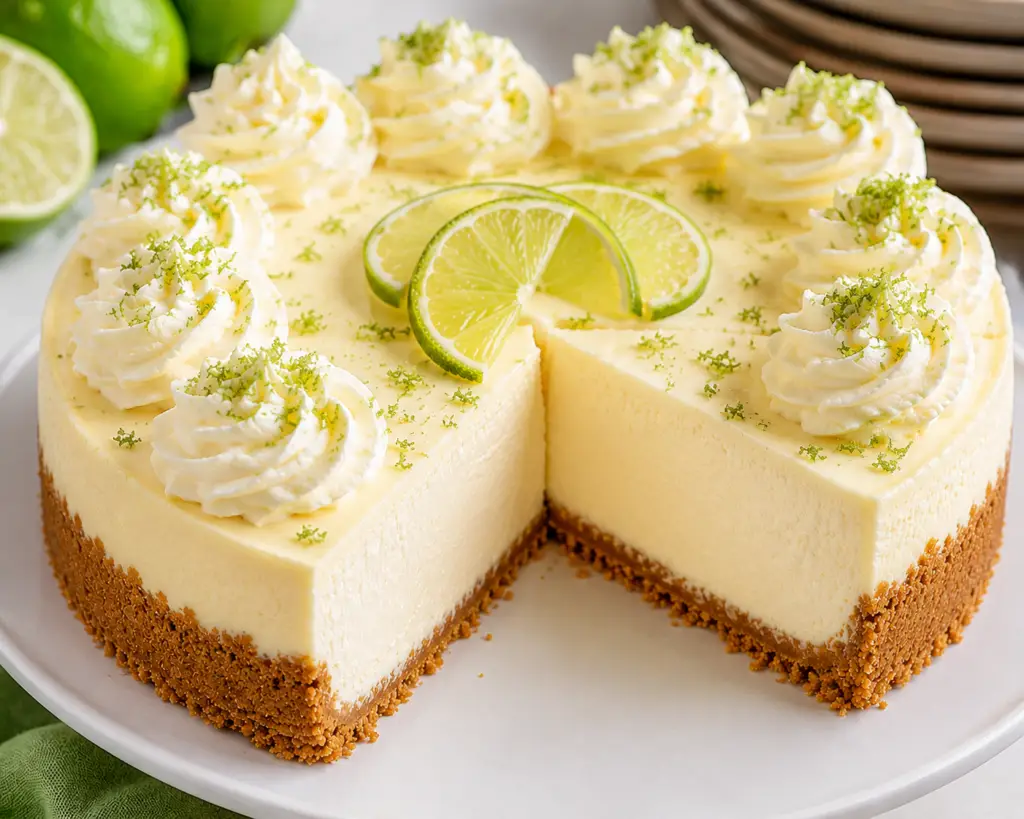
For a recipe that shows powdered sugar doing the structural work of a finished pastry, try Viral Burnt Basque Cheesecake, which uses a heavy powdered-sugar dusting over the burnt top as both visual contrast and a sweet counterpoint to the slightly bitter caramelized crust. The same dusting technique applies across most baked goods that benefit from a clean, sweet finish without committing to a full glaze or icing layer.