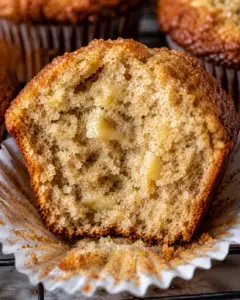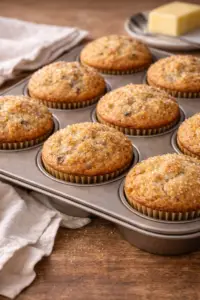
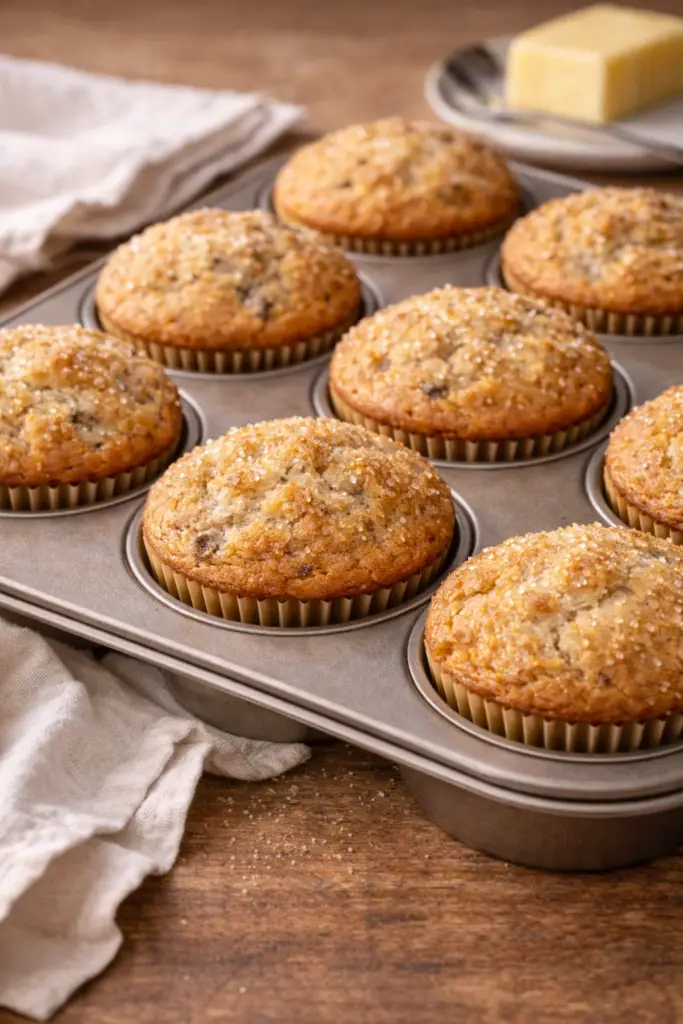
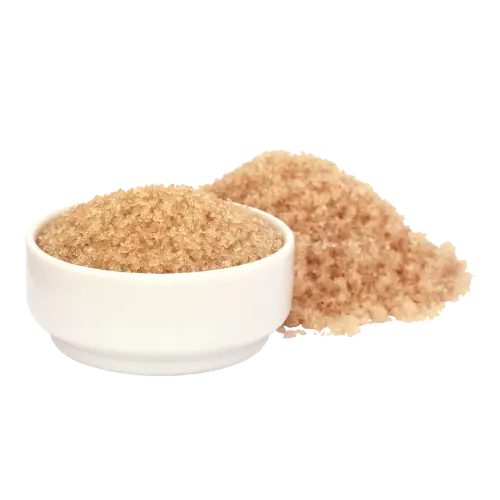
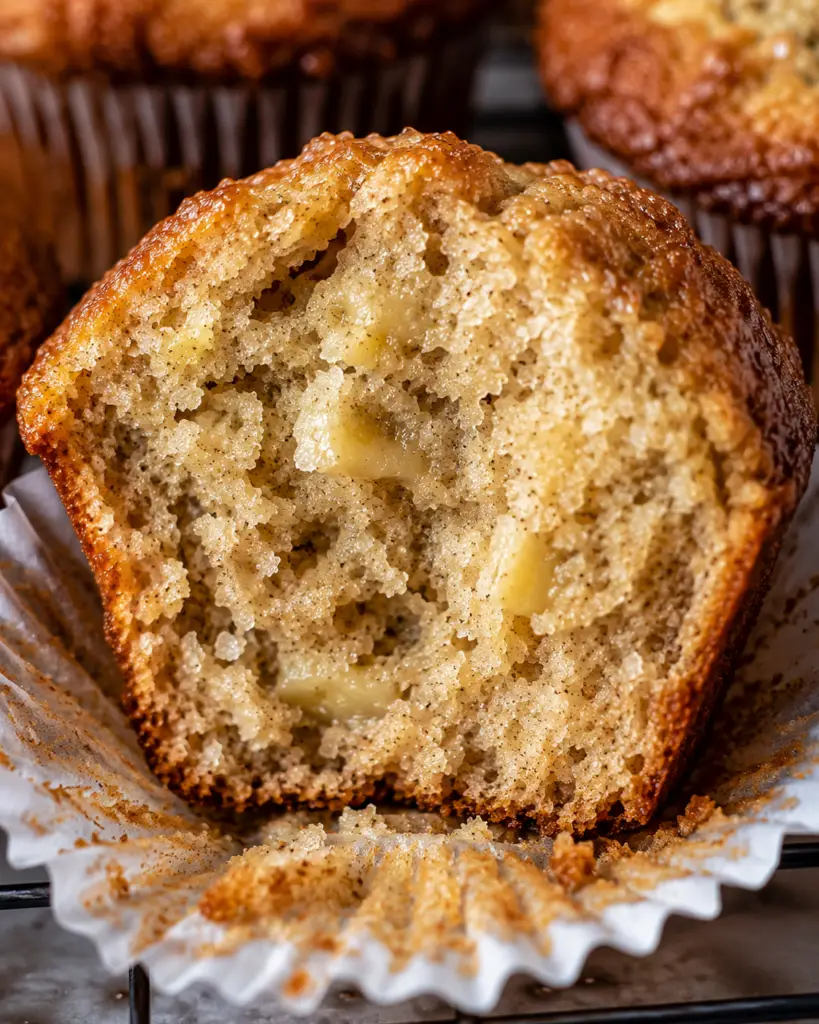
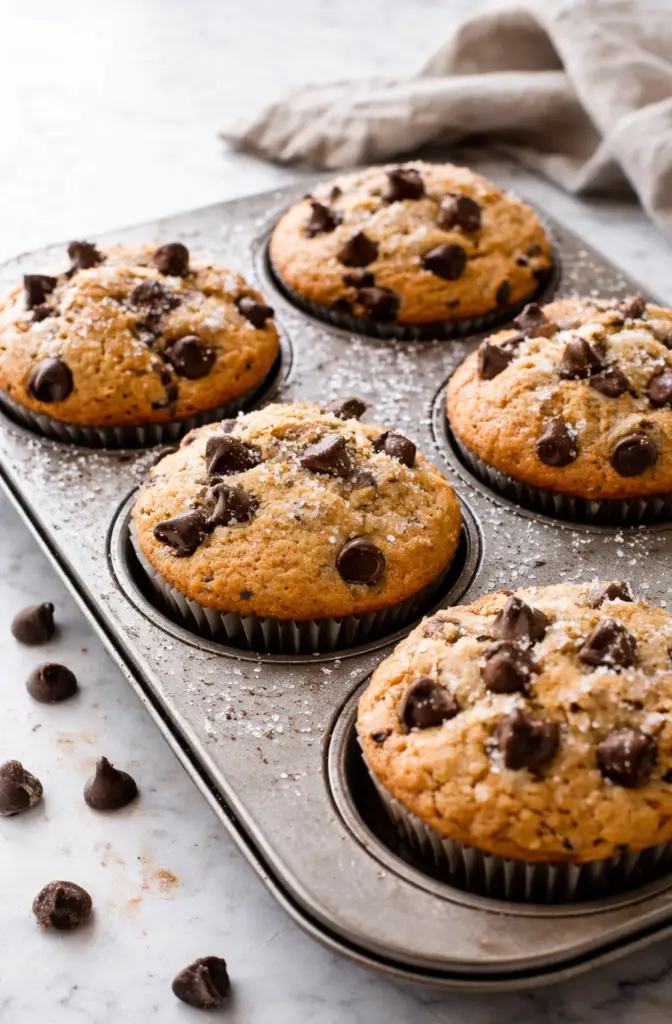
Turbinado sugar is the partially refined cane sugar with golden-brown crystals larger than granulated sugar but smaller than coarse decorative sugars. The light molasses content (about 1-2% by weight) gives it a slight caramel flavor and the characteristic golden color. Reader favorites built on it include Chocolate Chip Muffins and Eggless Banana Muffins where a generous sprinkle of turbinado over the muffin tops before baking produces the bakery-style crunchy sugared crust. Related tags include granulated sugar, brown sugar, and coarse sugar, the closely associated ingredients commonly paired with this one.
Turbinado, demerara, muscovado, and standard brown sugar are all partially or minimally refined cane sugars, but they produce different finished results. Turbinado is steam-cleaned raw sugar with light molasses (as in Pumpkin blondies) content, producing a golden-brown color and large crystals (about 2x the size of granulated). Demerara is similar but slightly larger crystals and slightly more molasses.
Muscovado is much darker and moister, with the molasses left fully incorporated. Brown sugar is granulated white sugar with molasses added back in after full refinement. For decorative muffin tops, turbinado and demerara are interchangeable; for baking applications where the sugar dissolves into the batter, brown sugar usually works better because the moisture is part of the recipe.
For muffin tops and bakery-style finishes, the technique is to sprinkle a generous amount of turbinado (about 1 teaspoon per muffin) over the batter just before the pan goes into the oven. The large crystals do not fully dissolve during baking, producing the characteristic crunchy, sparkly top finish. The slight caramel flavor from the molasses adds depth that plain granulated sugar on top cannot deliver. Pairing the turbinado top with butter (used in The Ultimate Guide to Wedding Cookies and Cottage Cheese Eggless Pancakes) brushed lightly over the surface first produces an even more golden, glossy finish.
For scones and biscuits, the same finishing technique works particularly well. Brush the unbaked scone tops with cream or milk, then sprinkle generously with turbinado. The cream helps the sugar adhere during baking, and the resulting crust has the sweet crunch that distinguishes bakery scones from bland homemade ones. The same approach scales to cookies (especially shortbread and sugar cookies) where the textural contrast between soft interior and crunchy sugar top is part of the recipe identity. Rolling cookie dough balls in turbinado before baking produces a similar effect across the whole surface.
For coffee and beverages, turbinado is the standard sweetener in upscale coffee shops because the slight molasses flavor pairs better with coffee than refined white sugar does. The crystals dissolve more slowly in hot liquid, but full dissolution happens within 20-30 seconds of stirring. The same logic applies to tea and chocolate drinks, where the turbinado adds caramel notes that white sugar cannot deliver. For storage, turbinado keeps 1-2 years in a sealed container at room temperature. Unlike brown sugar, it does not harden into a brick over time because the molasses content is low; the crystals stay flowing and pourable even after extended storage.
Pairing turbinado with vanilla extract (seen in Peanut Butter Protein Balls and Egg Free Cottage Cheese Muffins) in a quick sprinkle over French toast or oatmeal produces the dressed-up breakfast finish that home cooks rarely consider but that takes only seconds to execute.
Turbinado sugar is made by partially refining sugarcane juice, allowing some natural molasses to remain. It is typically produced commercially rather than made at home.
You can substitute turbinado sugar with brown sugar, granulated sugar, or demerara sugar. Brown sugar will add more moisture, while granulated sugar has a finer texture.
Yes, turbinado sugar is great for baking, especially as a topping for cookies, muffins, and pastries. It adds a crunchy texture and a mild caramel flavor.
Turbinado sugar is best used as a topping for baked goods, sweetening beverages, and adding texture to desserts. It enhances both flavor and presentation.
For more sugar and natural sweetener options, see our light brown sugar and dark brown sugar recipes.