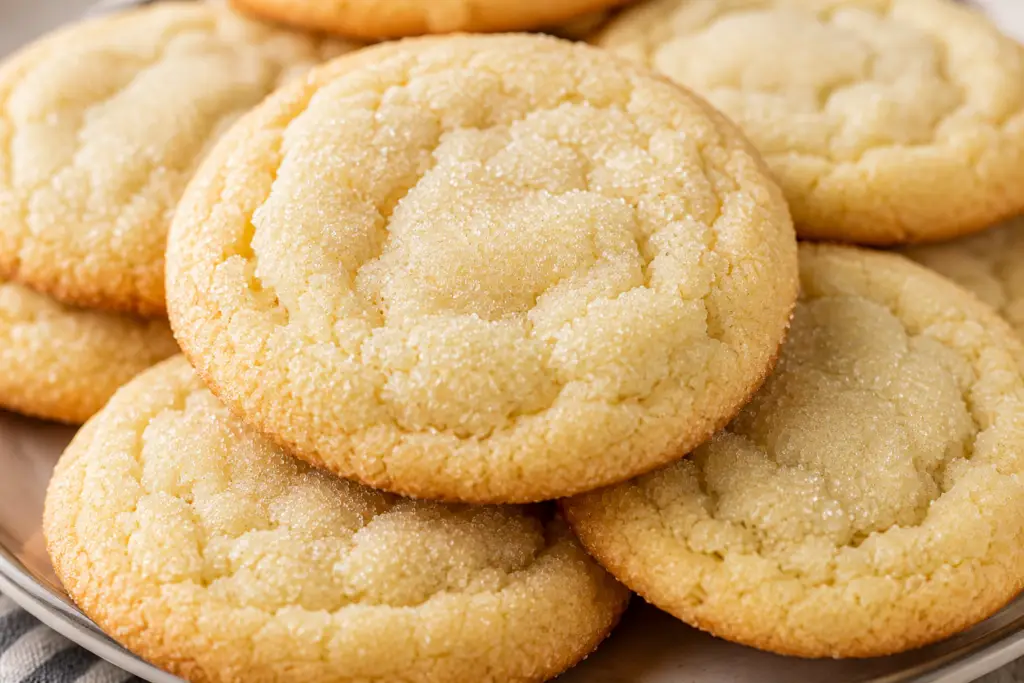
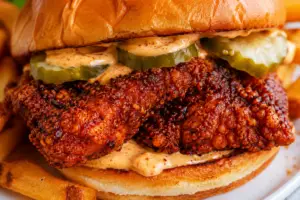
Cornstarch is essentially pure starch with no protein. That is what distinguishes it from wheat flour, which is roughly 12% protein (gluten). The gluten in flour creates structure and chew; cornstarch contributes only thickening and tenderizing without any structural component. The two together in baked goods produce results neither alone can deliver. Adding a tablespoon of cornstarch per cup of all-purpose flour in cookie and biscuit recipes produces noticeably more tender results. The cornstarch interferes with gluten development and keeps the texture soft. The Best Fried Chicken uses this principle in reverse: cornstarch in the dredge produces a dramatically crispier crust than flour alone because the lack of gluten means the coating stays light and crispy rather than going chewy when cool.
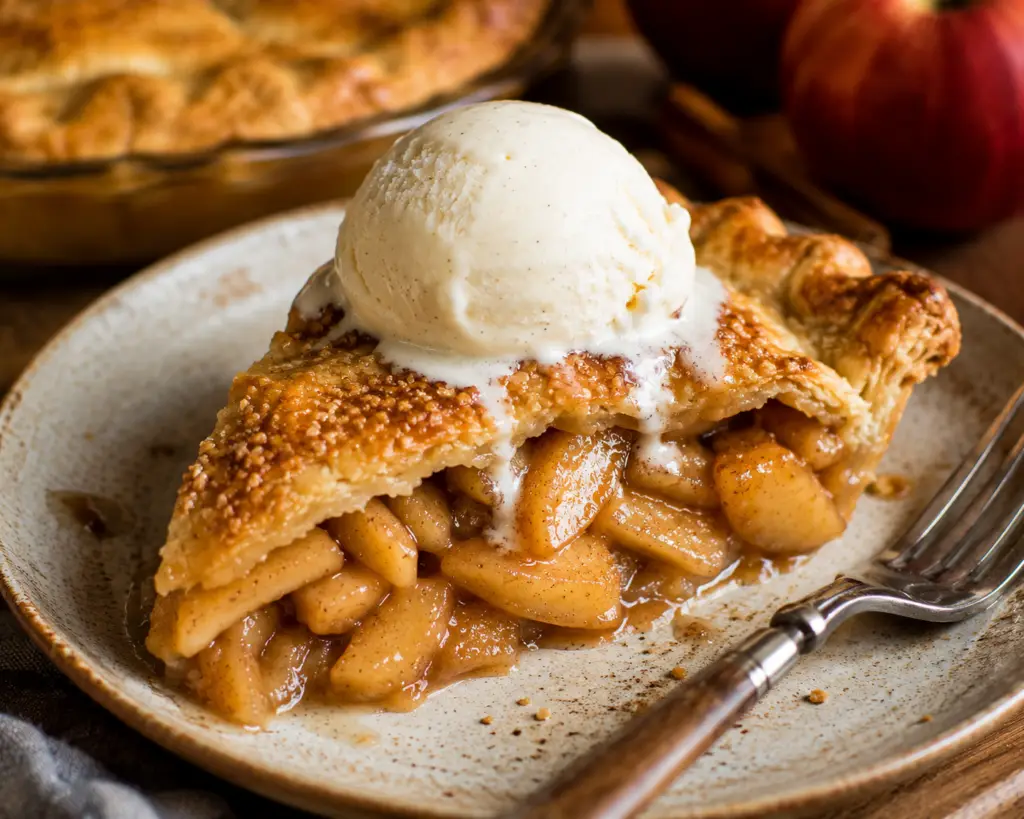
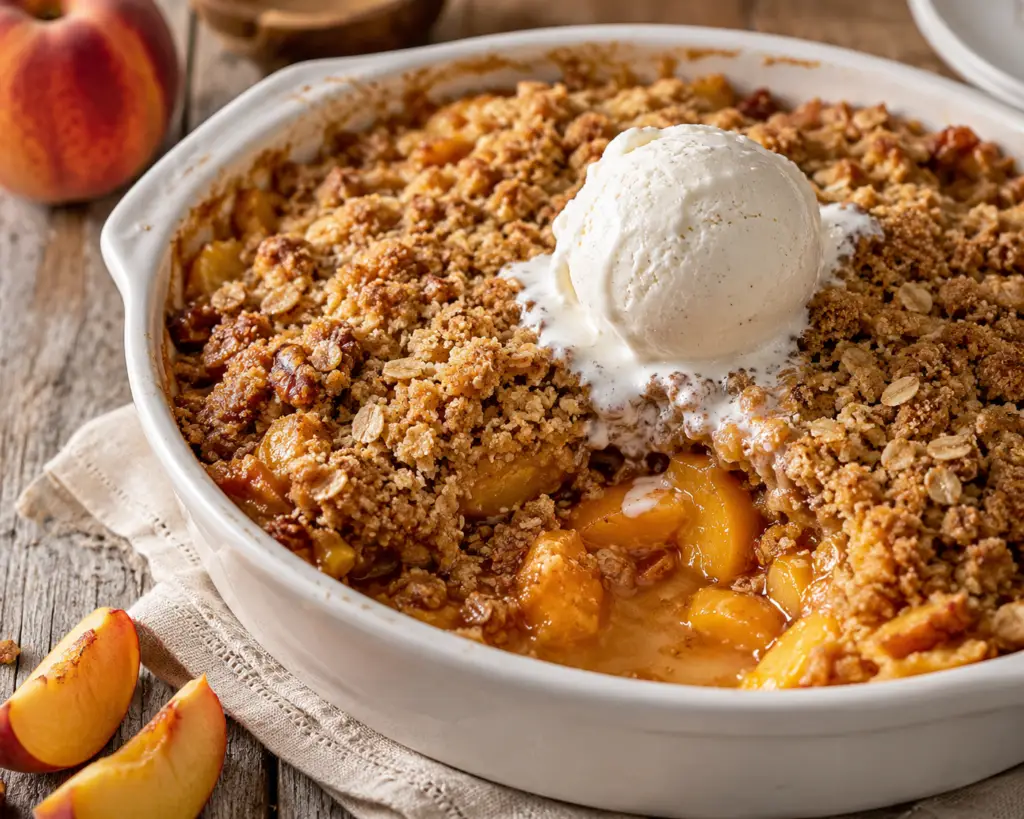
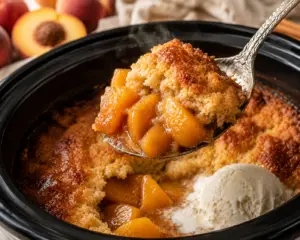
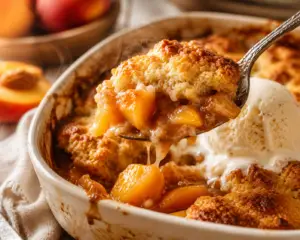
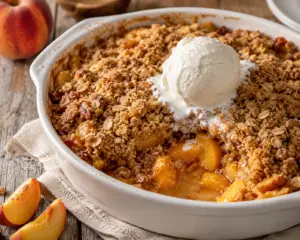
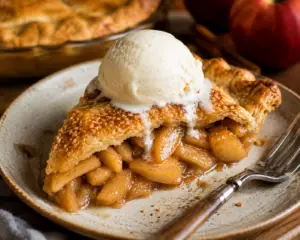
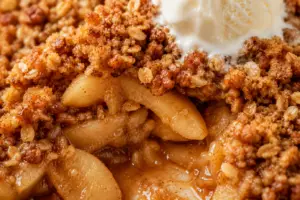
For thickening sauces and gravies, cornstarch needs to be mixed with cold liquid first (a “slurry”) before adding to hot liquid. Adding dry cornstarch to hot liquid produces lumps that are impossible to remove. The standard slurry is 1 tablespoon cornstarch dissolved in 2 tablespoons cold water, whisked smooth, then stirred into the simmering sauce. The thickening happens within 30-60 seconds at simmer; longer cooking actually breaks down the thickening as the starch gelatinizes too far. The same slurry technique works for fruit fillings paired with granulated sugar, where cornstarch is the standard thickener for pie filling and cobblers.
For breading and frying applications, replacing 25-50% of the flour in a dredge with cornstarch produces dramatically crispier fried foods. Lemon Raspberry Muffins demonstrates a different application. A small amount of cornstarch in the muffin batter helps suspend the raspberries through the batter rather than letting them sink to the bottom. The same trick works with chocolate chips, blueberries, and any heavy add-in that tends to sink during the bake.
For replacing eggs in baking (a vegan substitution), 1 tablespoon cornstarch mixed with 3 tablespoons water can substitute for one egg in cookies, muffins, and quick breads where the egg is primarily a binder rather than a leavener. Eggless Chocolate Chip Cookies demonstrates this principle. The cornstarch slurry provides the binding that eggs would normally do, and the cookies bake up with similar texture to the standard version. Powdered sugar is the related cornstarch product (sugar with cornstarch added to prevent clumping), and the same cornstarch chemistry that prevents lumping in sugar also prevents grittiness in icings and glazes. Across all cornstarch uses, the salt interaction is non-issue because pure starch does not interact with salt the way flour proteins do. Pairs naturally with flour and baking powder in many of the Sugar Face Bakes recipes.