
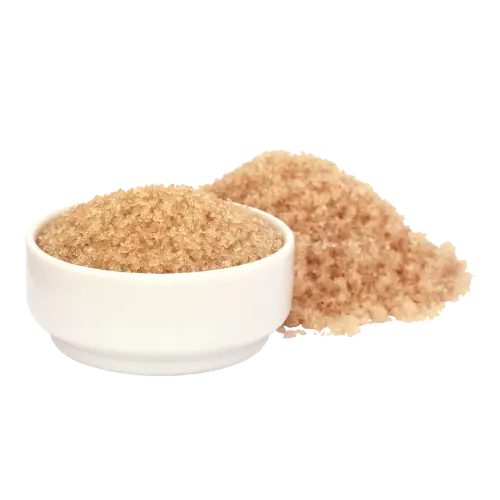
Coarse sugar (also called sanding sugar or decorating sugar) is the larger-crystal sugar used as a topping that keeps its texture during baking. The visible sparkle and slight crunch on top of sugar cookies and pastries is the signature contribution. Unlike granulated sugar, coarse sugar doesn’t melt fully in oven heat. A reader favorite that builds on it is The Best Sugar Cookies where the coarse sugar provides the sparkle and crunchy top finish that distinguishes bakery-style cookies from home-baked plain ones.
Coarse sugar (also called sanding sugar, decorating sugar, or pearl sugar) is the larger-crystal sugar used as a topping that maintains its texture during baking. Standard granulated sugar has crystals around 0.5mm; coarse sugar crystals are 1-2mm, large enough to stay visible and crunchy through the baking process.
For sugar cookies, the technique is to roll the dough balls in coarse sugar before placing on the baking sheet. The crystals coat the entire surface and stay distinct during baking, producing the sparkly, slightly crunchy exterior that distinguishes bakery sugar cookies from homemade ones. Standard granulated sugar dissolves into the surface and produces no visible texture.
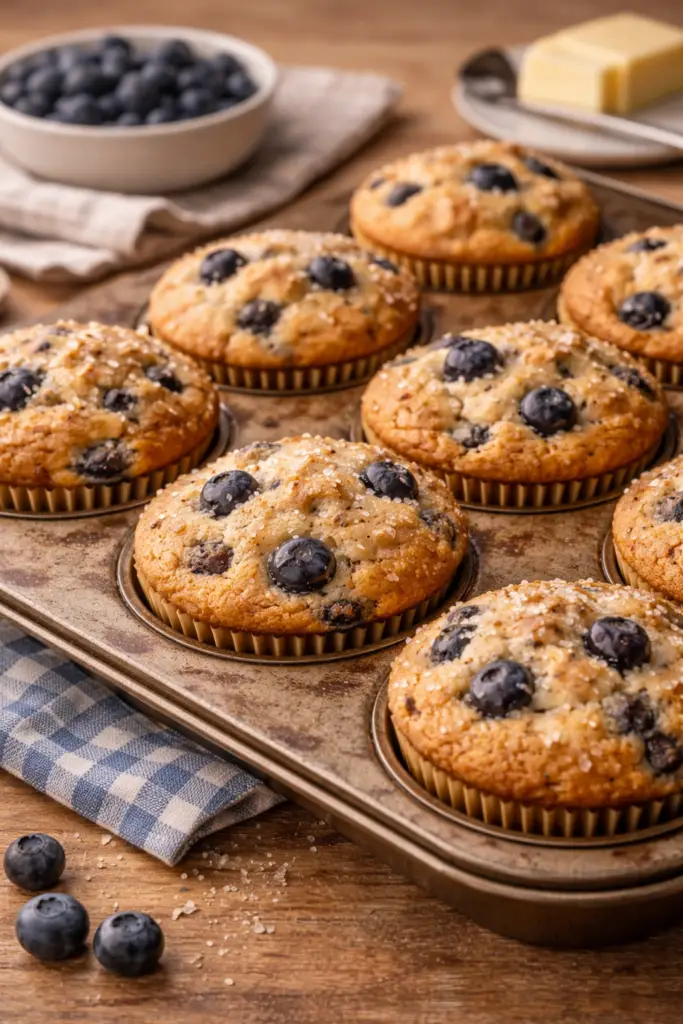
For muffin and quick bread tops, sprinkling 1-2 teaspoons coarse sugar over the batter before baking produces a crackly, sugary crust. The sugar crystals partially caramelize during baking, creating little pockets of crisp sweetness that contrast with the soft crumb underneath.
For pie crust tops and lattice work, brushing the crust with cream or egg wash then sprinkling with coarse sugar produces the bakery-style golden, crunchy finish. The standard application is 1-2 tablespoons coarse sugar per pie. Works particularly well on fruit pies (apple, peach, berry) where the sugar caramelizes alongside the fruit juices that bubble through.
For sweet bread and brioche tops, coarse sugar (especially pearl sugar, the Scandinavian variety used on traditional cardamom buns) adds visual interest and texture. The sugar doesn’t fully dissolve even after the long baking time of yeast breads.
For sugar variations, sanding sugar comes in colored versions (red, green, blue, gold) for decorating holiday cookies and cupcakes. The color is food-grade dye applied to the sugar crystals; it doesn’t affect the flavor or baking behavior.
For substitution, turbinado sugar (slightly smaller crystals, golden-brown color) works as a substitute with a slightly more rustic appearance. Granulated sugar mixed with a few drops of water then dried in a low oven creates DIY coarse sugar but the result is less uniform than commercial versions.
For storage, coarse sugar keeps indefinitely in a sealed container at room temperature. Hardening from moisture is the main storage issue; placing a slice of bread in the container for 24 hours softens hardened sugar back to a usable state. Colored sanding sugars can fade over time if exposed to direct light; store in opaque containers for longest color retention. Browse turbinado sugar and granulated sugar for closely related sugar varieties. Reader favorites built on it include Quick Homemade Cake Batter Donuts.
Coarse sugar is typically made by crystallizing sugar into larger granules during processing. It is not commonly made at home but can be purchased in baking stores.
The best coarse sugar recipes include cookies, muffins, scones, and pastries where the sugar is used as a topping to add crunch and sweetness.
Coarse sugar adds texture, visual appeal, and a light crunch to baked goods. It enhances both the taste and presentation of desserts.
Coarse sugar is used as a topping for baked goods, decorating desserts, and adding a crunchy texture to cookies, breads, and pastries.
For more sugar and decoration options, see our turbinado sugar and powdered sugar recipes.