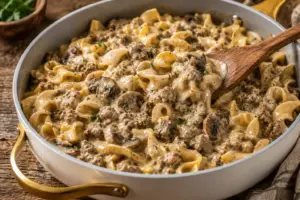
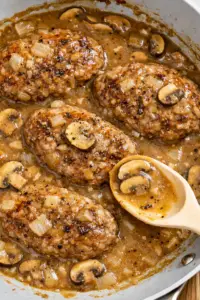
The mushroom-cooking technique that matters most is browning without crowding the pan. Mushrooms release a significant amount of water when heated, and if the pan is too full, that water steams the mushrooms rather than letting them brown. The result is pale, rubbery mushrooms instead of deeply golden, savory ones. The fix is to use a large pan, work in batches if necessary, and let each batch sit undisturbed for 2-3 minutes between stirs so the bottom develops a brown crust. Pairing the cooking fat (butter (such as in The Ultimate Guide to Wedding Cookies and Cottage Cheese Eggless Pancakes) or olive oil (as in Baked Ziti with Ground Beef and Homemade Hamburger Helper)) with high heat is what unlocks the full umami potential.
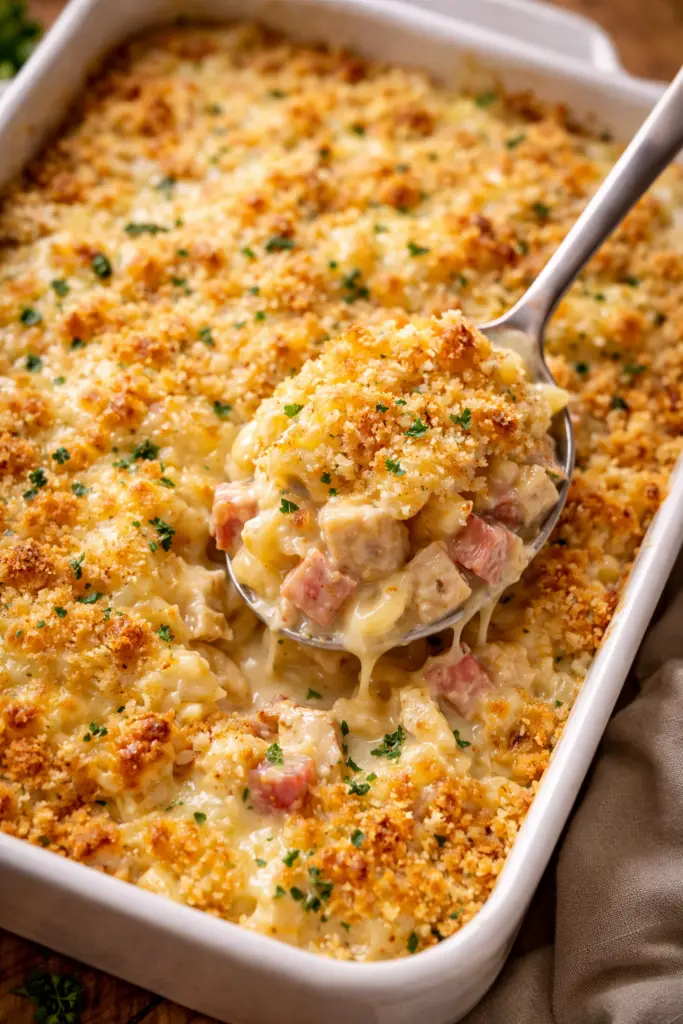
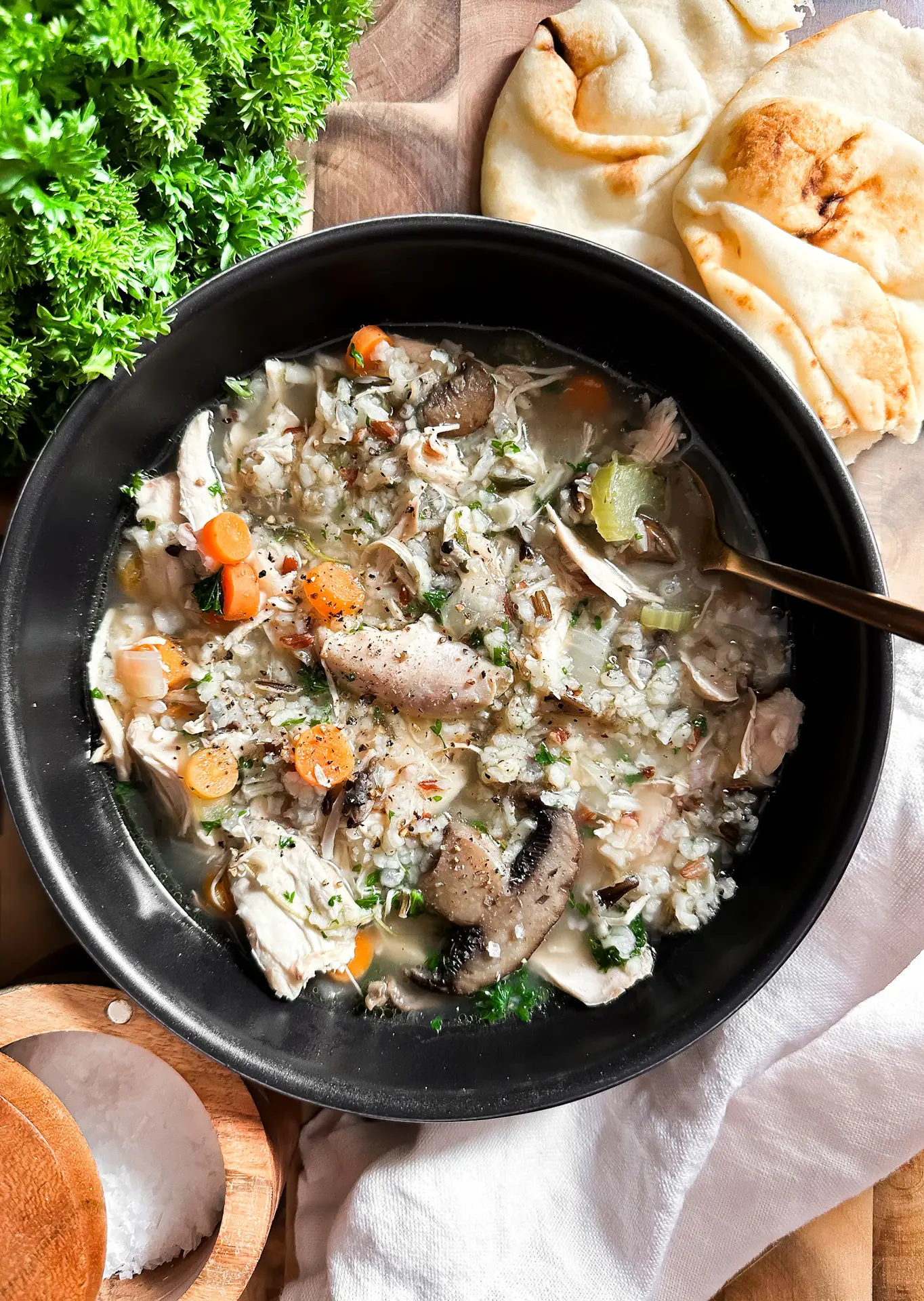
For casseroles and cream-based dishes, sautéed mushrooms join the dairy base where they contribute meaty texture and deep savory flavor without overpowering the other ingredients. The standard technique is to sauté the mushrooms separately first, then add to the casserole or sauce after they have released their water and browned. Adding raw mushrooms directly to a cream sauce produces a watery, washed-out finished dish; adding pre-sautéed mushrooms produces a rich, deeply flavored one. The same pre-cook principle applies to Creamy Chicken Wild Rice Soup where the mushrooms get sautéed alongside the thyme before joining the broth.
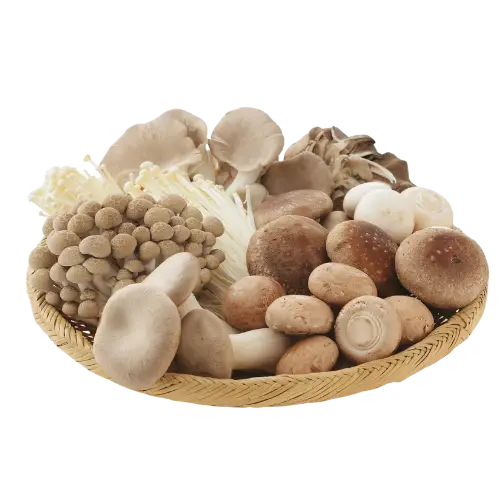
The variety choice matters more than most home cooks realize. White button mushrooms are mild and inexpensive, working in most casseroles and as a neutral mushroom base. Cremini (also sold as baby bella) are botanically the same as button mushrooms but harvested later, producing a slightly nuttier, more developed flavor. Portobello mushrooms are fully matured cremini, with the most intense flavor and meatiest texture, working well as a meat substitute in vegetarian dishes. Shiitake mushrooms are a different species entirely, with a smoky, almost bacon-like flavor that works in Asian dishes and as a flavor anchor in vegetable broths.
For storage, fresh mushrooms keep 7-10 days refrigerated in their original cardboard container or in a paper bag (NOT a plastic bag, which traps moisture and accelerates rotting). Brushing off any visible dirt with a damp paper towel is the right cleaning method; soaking or rinsing mushrooms causes them to absorb water and turn slimy during cooking. Dried mushrooms (porcini, shiitake) keep indefinitely in a sealed jar and rehydrate in 20-30 minutes in warm water; the soaking liquid itself is gold and works as a savory broth in soups and risottos. Pairing dried porcini with fresh button mushrooms in a casserole produces a layered umami depth that fresh-only versions cannot match.