Easy Shallot Recipes for Everyday Cooking

Shallot recipes for French sauces, vinaigrettes, pan reductions, and refined cooking. Featuring Salisbury steak with mushroom gravy and French toast casserole

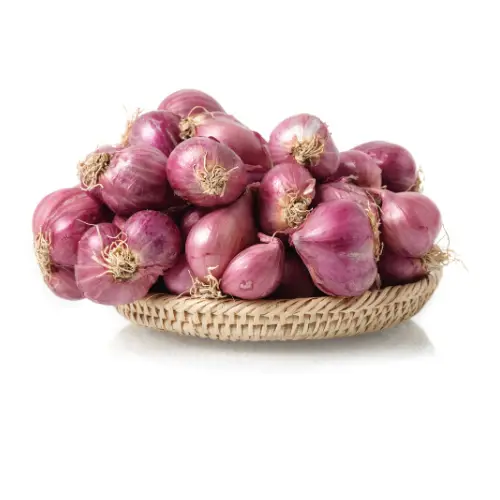
Shallots are the small, elongated alliums that sit between garlic and onion on the flavor spectrum, sweeter and more delicate than onion, milder and rounder than garlic. They anchor classic French sauces, vinaigrettes, pan reductions, and any cooking application where you want onion flavor without the assertive bite. Reader favorites built on it include Salisburry Steak with Mushroom Gravy and French Toast Casserole where shallot adds depth to the pan reduction and the savory custard, respectively.

Most Popular Shallot Recipes

Latest Shallot Recipes

More About Shallot Recipes

Shallots and onions are not interchangeable in most refined cooking applications despite both being alliums. Shallots are sweeter, more delicate, and dissolve into sauces more readily than onions. They also brown faster (the sugar content is higher), so high-heat cooking requires more attention to prevent burning. For most French sauce work, vinaigrettes, and any application where the onion needs to disappear into the dish, shallots win.


For vinaigrettes, the technique is to mince a shallot finely and let it sit in vinegar for 10 minutes before adding oil. The acid mellows the raw shallot bite while keeping the flavor present. The standard French vinaigrette is 1 tablespoon minced shallot, 1 tablespoon Dijon mustard, 2 tablespoons red wine vinegar, 6 tablespoons olive oil, salt and pepper. Shake in a jar. Keeps 1 week refrigerated.


For pan sauces, shallots are the standard base allium. After searing chicken, fish, or steak, remove the protein, add 1-2 tablespoons butter to the pan, add 2 minced shallots, cook 1-2 minutes until softened, add wine or stock to deglaze, reduce by half, finish with another tablespoon of butter for richness. The 2-minute shallot saute is what distinguishes restaurant-style pan sauces from home cooking where onion would have to be cooked 5-7 minutes for the same flavor development.


For storage, whole shallots keep 1-2 months in a cool, dark, dry pantry. Once cut, the remaining half keeps 7-10 days wrapped tightly and refrigerated. The papery skin protects them similarly to onions. Pairing shallots with garlic in any sauce or saute produces the layered allium depth that single-allium cooking cannot match. The shallot provides the sweet base, the garlic provides the sharp top note. Other reader picks that build on shallot include Tuscan Chicken Pasta and Roasted Red Pepper and Cilantro Dressing. Browse garlic, onion, and salt for closely related cooking applications.

❓Frequently Asked Questions

Shallots cook well with meats, vegetables, and sauces because their flavor is mild and slightly sweet. They are commonly used with chicken, beef, mushrooms, potatoes, and green beans. Slice and sauté shallots in butter or olive oil until soft, then add them to pan sauces, roasted vegetables, pasta dishes, or vinaigrettes for added depth.

Many sauces, vinaigrettes, roasted vegetable dishes, and pasta recipes use shallots for flavor. They are also common in French-style cooking, where they are added to pan sauces, soups, and braised meat dishes. Finely chop shallots and sauté them first to build flavor before adding other ingredients.

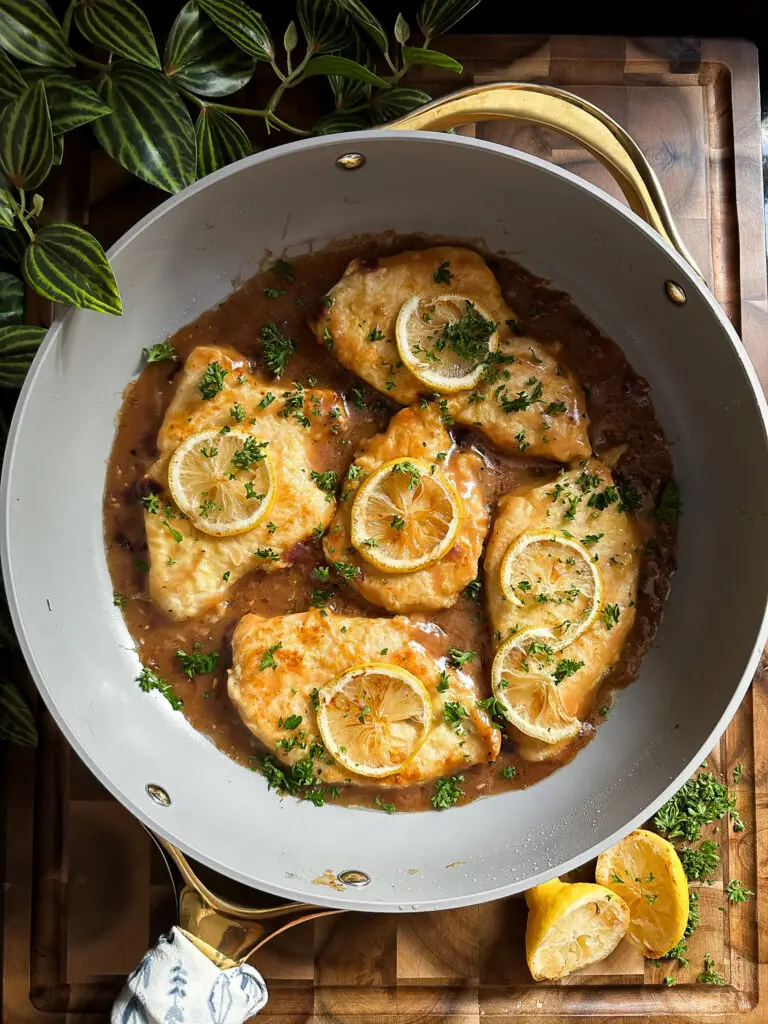
Cook shallots with chicken by sautéing sliced shallots in butter or oil until soft and lightly golden. Add seasoned chicken and cook until browned, then finish with broth, cream, or wine to create a pan sauce. The shallots add sweetness and depth that balances savory chicken dishes.

Yellow onion, red onion, or scallions can replace shallots in most recipes. Use slightly less onion because the flavor is stronger. Finely chop the substitute and cook it the same way you would cook shallots. Adding a small amount of garlic can also help mimic the layered flavor of shallots.

For more onion variety options, see our yellow onion and red onion recipes.