1-to-1 gluten-free flour blends are designed to substitute directly for wheat flour in most recipes without other changes. The ‘with xanthan gum’ versions (most premium brands) work in most baking; the ‘without xanthan gum’ versions require adding 1/4 teaspoon xanthan gum per cup of flour separately. Without xanthan gum (or another binder like guar gum), gluten-free baked goods turn out crumbly and dry because there’s no protein network to hold them together.
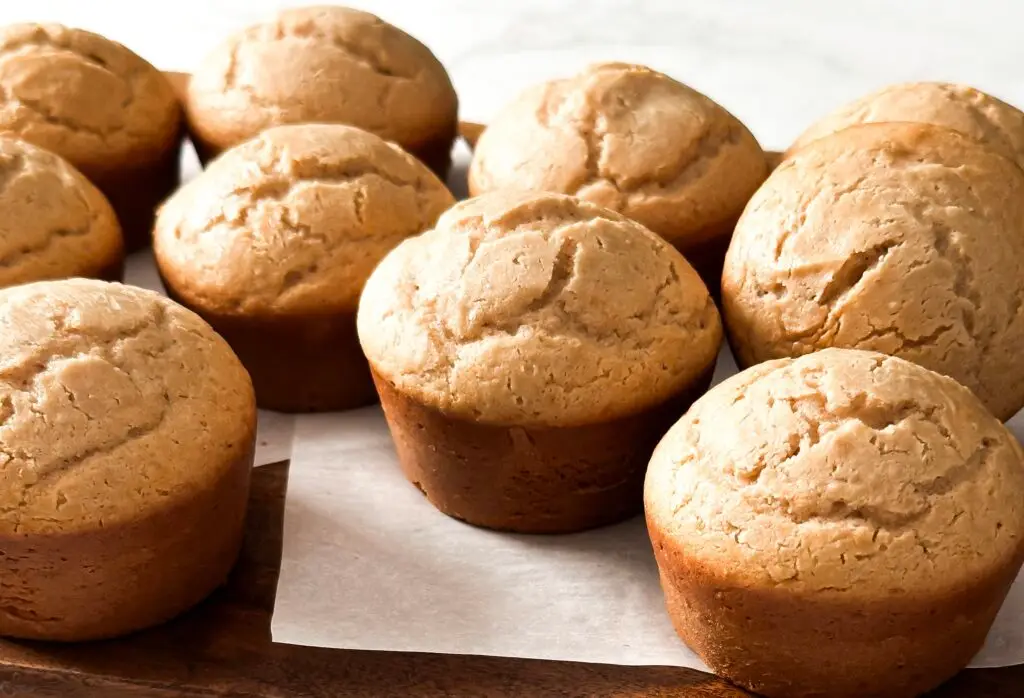
For cakes and muffins, gluten-free flour produces a slightly denser final texture than wheat flour but works well in most American baking applications. The standard substitution is 1:1 by volume; for accuracy, weigh by ounces (1 cup of most GF blends weighs slightly more than 1 cup of wheat flour). Adding 1-2 extra tablespoons of milk or other liquid compensates for the higher absorbency of rice-based blends.
For yeast breads and pizza dough, regular gluten-free flour blends produce significantly different results than wheat flour. The lack of gluten development means the dough won’t rise the same way, won’t be as elastic, and won’t develop the chewy texture characteristic of wheat-based bread. Dedicated gluten-free bread recipes (with multiple flour types, eggs, and extra binding agents) produce better results than substituting GF flour into wheat recipes.
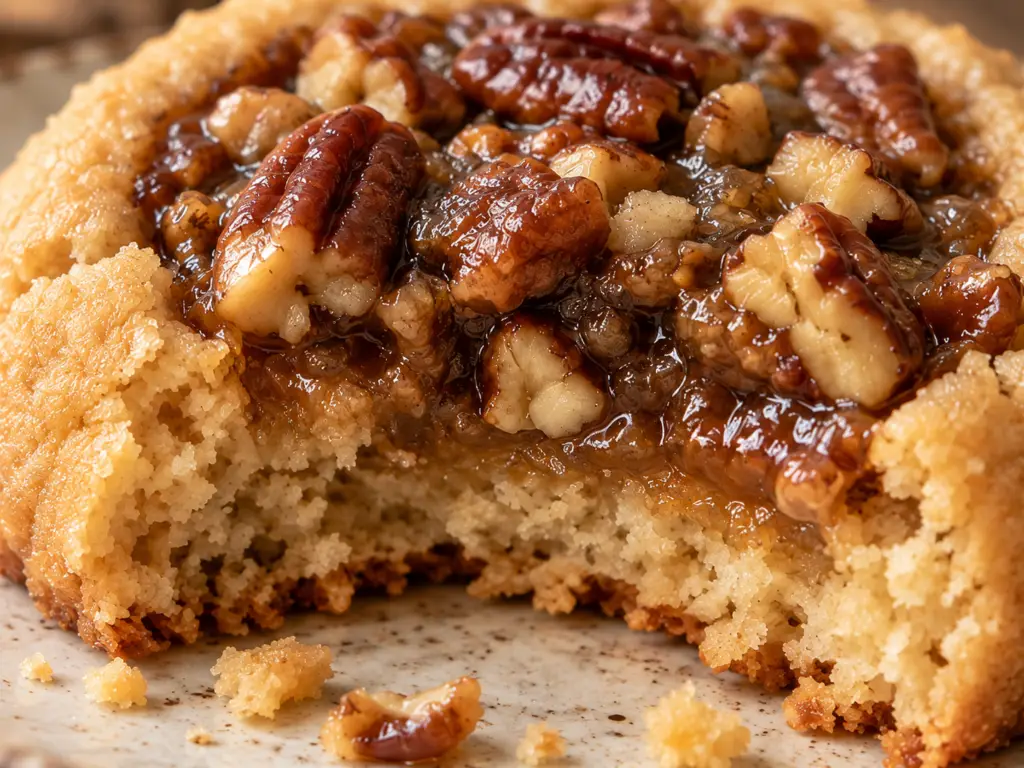
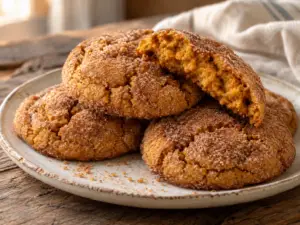
For cookies, the substitution works particularly well. Most cookies don’t depend on gluten structure, they depend on butter, sugar, and egg ratios, so swapping flours produces nearly identical finished cookies. almond flour alongside the gluten-free blend at a 25/75 ratio produces particularly tender cookies. For storage, gluten-free flour keeps 3-6 months at room temperature or 12+ months frozen. The rice flour component goes rancid faster than wheat flour. Other reader picks that build on gluten-free flour include Almond Flour Biscuits and Flourless Chocolate Torte. Browse almonds, chickpeas, and salt for closely related cooking applications.