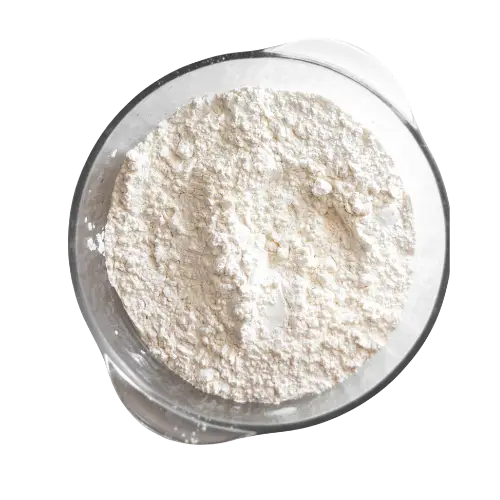
Cake flour and all-purpose flour are not interchangeable in tender bakes. Cake flour is 5-8% protein; all-purpose is 9-12%; bread flour is 12-14%. The protein difference produces noticeable texture differences in finished cakes. Substituting all-purpose for cake flour produces a denser, slightly tougher cake; substituting cake flour for all-purpose in cookies produces excessively crumbly results.
Homemade cake flour substitute: for 1 cup cake flour, combine 7/8 cup all-purpose flour + 2 tablespoons cornstarch, sift together 3-4 times. The cornstarch lowers the protein percentage; the multiple siftings ensure even distribution. The substitute works in most cake recipes but produces results slightly less tender than real cake flour.
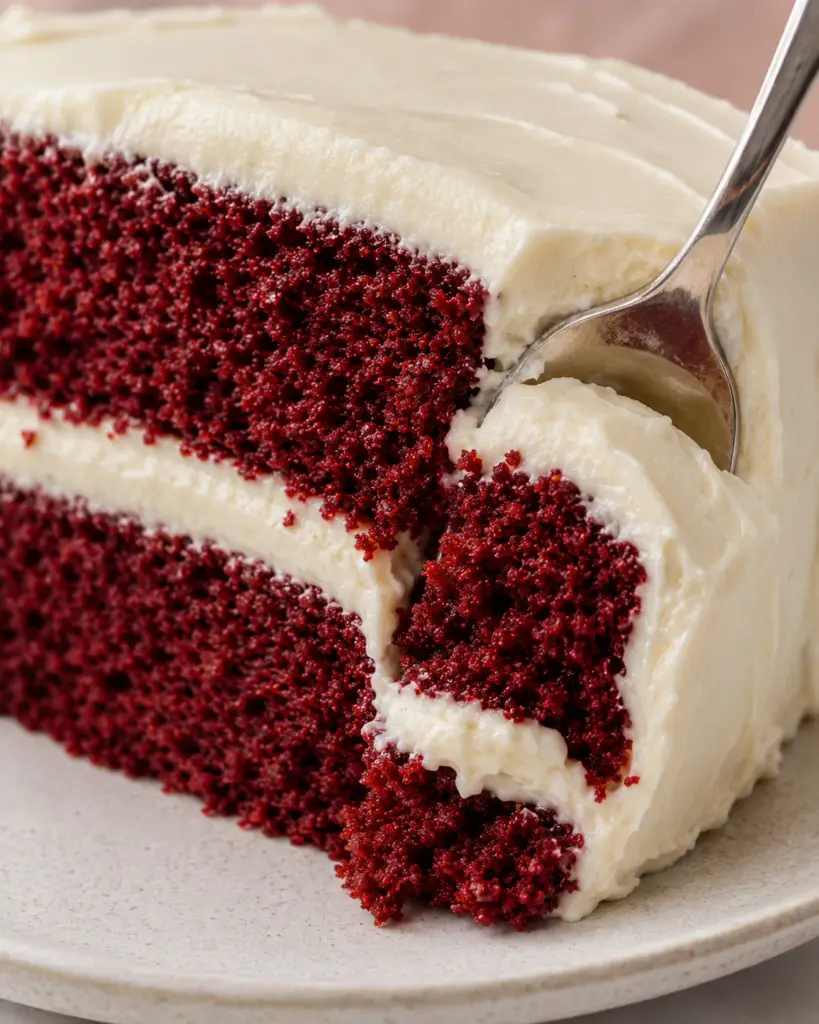
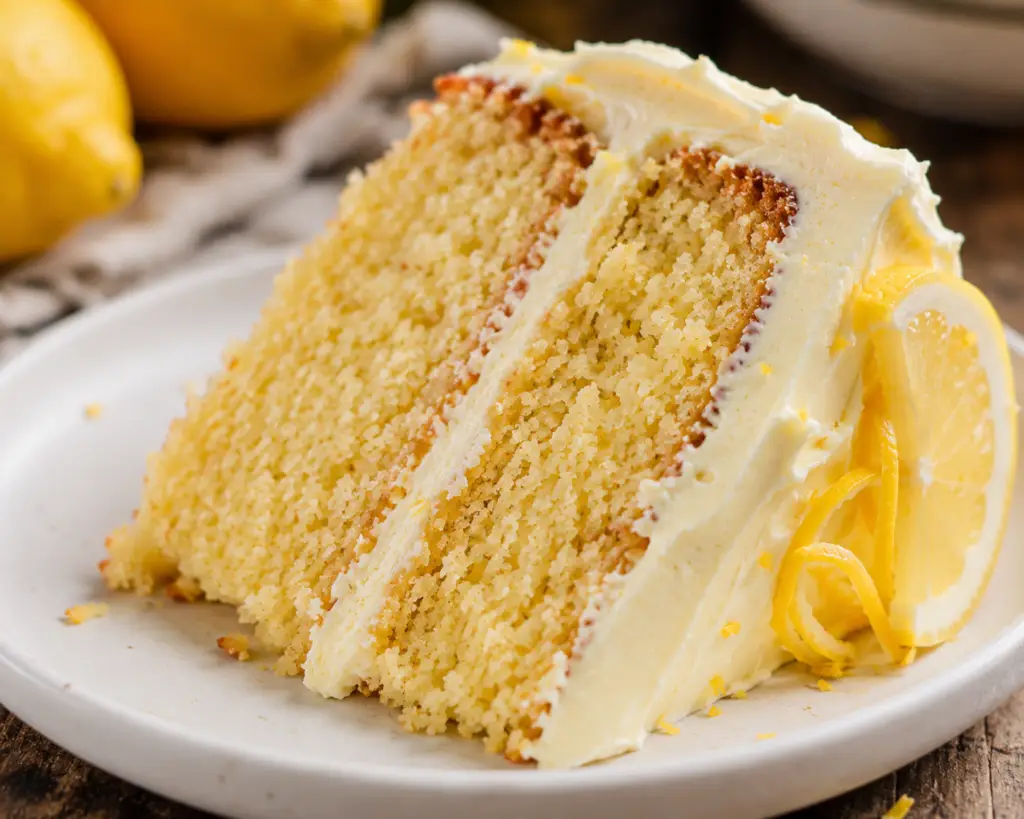
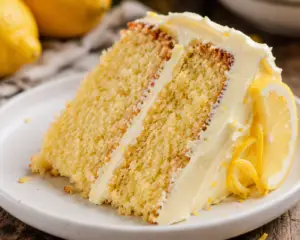
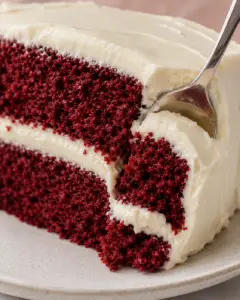
For tender layer cakes, cake flour is the difference between bakery-quality and home-baker results. The standard butter cake recipe is 3 cups cake flour + 1 cup butter + 2 cups sugar + 4 eggs + 1 cup milk + 1 tablespoon baking powder + 1 teaspoon salt + 2 teaspoons vanilla extract. Cream butter and sugar, add eggs, alternate dry and wet, bake at 350°F for 25-30 minutes per layer.
For angel food cake (the meringue-based dessert), cake flour is non-negotiable. The fluffy, cloud-like texture requires the low-protein flour combined with whipped egg whites. The standard recipe is 1 cup cake flour + 1 1/2 cups sugar + 12 egg whites + 1 1/2 teaspoons cream of tartar + 1 teaspoon vanilla. Bake at 350°F in an ungreased angel food pan for 35-40 minutes. For storage, cake flour keeps 1 year sealed in a cool dry pantry. Other reader picks that build on cake flour include Egg Free Cottage Cheese Muffins and Why Muffins stick to liners?. Browse all-purpose flour, baking powder, and salt for closely related cooking applications.